
Once the frost hits, groundwork gets harder to manage. Soil that felt fine just a few weeks ago might now be too solid to dig or too slippery underneath to trust. When you’re working on paving in the cold, things don’t always go the way you planned. That’s why choosing the right base material matters so much. It helps avoid the worst of the mess when the ground turns hard or stays wet.
MOT Type 1 is one material we often use in winter jobs. It’s known for holding steady under driveways and paths. This mix of crushed stone and smaller pieces helps build a strong, compact layer under whatever finish comes next. But how does it hold up when the ground’s already frozen? Here’s a look at what MOT Type 1 really does in icy conditions and how to get the best out of it during winter work.
What Is MOT Type 1 and How Does It Work?
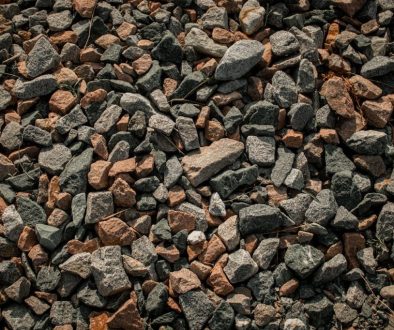
MOT Type 1 is a mix of crushed stone that passes certain set standards. It normally includes a blend of limestone, granite, or recycled concrete. The bigger bits give it strength, and the smaller filler helps it lock together when packed down.
What makes this material work well in cold and wet weather is how it compacts and drains. Once laid and rolled, MOT Type 1 forms a solid surface that rainwater can pass through without pooling. That’s handy when it’s cold out and you don’t want water sitting under your paving where it could freeze.
We tend to use this material underneath drives, walkways, patios, and other hard surfaces. It goes in before flagstones or tarmac, giving them a level, stable base.
According to our aggregates page, MOT Type 1 supplied by Enviro Skip Hire is fully certified, and meets the Department of Transport specification, making it reliable for paving groundwork during winter in Cheshire.
How Frozen Ground Affects Paving Projects
Cold weather changes how the ground behaves. When soil freezes, water inside it turns to ice and causes the ground to shift. That makes it tough to work with, because the top might seem steady, but the layers underneath keep moving as the frost comes and goes.
Here’s what we usually see in these conditions:
• Ground that looks dry but is frozen below can crack or shift after paving
• Wet patches form where melted frost doesn’t drain, weakening the base
• Patching or levelling becomes harder when soil is stiff or has frozen lumps
It’s not just the ground you need to worry about, either. Tools behave differently in the cold, and using heavy kit on frozen surfaces can do more harm than good. If you don’t time the job right, you risk laying materials that never settle properly.
Can MOT Type 1 Support Frozen Ground?
This material can help manage frozen ground, but the timing does matter. MOT Type 1 supports weight well when properly compacted, but it needs a workable surface beneath it. If the ground is rock hard with frost, you can’t compact the material evenly.
That said, when used right, it makes a solid base layer in winter. Here’s how it helps:
• It handles moisture better than plain soil, reducing frost heave under paving
• It can adjust slightly as the top layers freeze and thaw, staying stable underneath
• When laid during a weather window, it sets correctly and gives your paving a proper start
Trying to lay and compact MOT Type 1 straight onto frozen soil isn’t the best idea. You’ll likely end up with air pockets or layers that don’t stick. But if the top few inches are workable and you prep it well, the material still works in winter, especially when you’re in areas like Cheshire, UK, where ground conditions change fast.
Our MOT Type 1 is available for delivery to commercial and domestic sites in both loose-tipped and bulk bag formats, helping customers in Cheshire stay flexible with winter projects.
Best Practices for Using MOT Type 1 in Winter
Jobs need more careful planning once temperatures drop. A few small steps can make a big difference to the end result.
Here’s what we stick to:
• Wait for at least one or two dry days when the ground softens a little
• Try not to spread the material straight onto frozen soil
• Use a tarp or cover if the material will sit outside overnight
• Don’t rush the compaction process, go slow and steady to get it right
Spacing jobs properly helps too. If you’re working along a long drive or edge of a patio, split it into smaller sections and finish one before moving on. It’s easier to control the surface and reduce waste.
And just as important, avoid compacting frozen clumps of MOT Type 1 itself. If the pile froze overnight, break it up first or wait for it to thaw. Otherwise, you’ll end up layering frozen lumps under your paving, never a good idea.
When to Hold Off and Call in Help
Sometimes it’s better not to push it. Frozen jobs come with risks, and knowing when to wait is one of the best choices you can make.
Watch for signs like:
• Ground that’s still soggy under a frozen top layer
• High water tables that make drainage harder
• No dry spell ahead, just continued frost or rain
We always say jobs go smoother with a solid plan. If you’re unsure about the base, or if bad weather’s hanging around too long, it might be time to pause and think again.
Cold mistakes are hard to fix later, and wasted material is worse when you’re hauling it back out of a frozen patch. Bringing in someone who understands how local ground holds together, knowing when to go ahead and when to leave it, can save a lot of wasted effort.
A Solid Base Starts with a Smart Plan
Prepping ground in winter takes more thought, but that doesn’t mean it’s off limits. MOT Type 1 can be a big help when you’re working during cold spells, as long as it’s used with care and timed right.
By keeping an eye on the weather, watching how deep the frost runs, and giving the material time to settle, you get a stronger base that stands up to changes. Whether you’re working on a path, patio, or drive, it’s the ground underneath that holds it all together. And come January, when the hard frost really starts to bite, having set that base properly means less movement, less damage, and a longer-lasting surface.
A solid layer of MOT Type 1 helps your paving projects stand up to cold snaps and provides a reliable base throughout the winter in Cheshire. Whether you’re tackling paths, drives, or garden improvements, this flexible aggregate keeps groundworks sturdy when the weather turns challenging. At Enviro Skip Hire, we base our product recommendations on your specific site and season. Contact us today to find out how we can support your groundwork needs.