Winter work on driveways or garden spaces isn’t always simple. Cold winds, wet ground, and short daylight hours can cause delays, especially when the wrong materials are used. That’s why picking what goes down first really matters. When it’s muddy or frozen, some groundwork materials just don’t hold up the way they should.
If you’re planning jobs across Cheshire during December, timing matters almost as much as the tools. Choosing the right type of gravel can keep things moving, and one option we often work with is 20mm gravel loose tipped. It gives a strong base, spreads easily, and drains well, just the kind of help needed when the weather’s working against you. Here’s what makes it a smart shout for winter groundwork and what steps are worth taking before placing an order.
Why Winter Conditions Change the Way You Work
Once December rolls in, our working conditions shift fast. Colder days bring more moisture, and that affects how the ground holds weight and how long it takes to finish a job. Waiting too long to lay a base can mean dealing with frozen ground, or worse, thick mud that makes movement harder.
• When soil gets too wet or begins to freeze, it becomes harder for materials to settle correctly.
• Rain can pool or run across poorly compacted areas, weakening driveways or paths before they’re even finished.
• Choosing a gravel size that supports both drainage and ground strength helps to avoid delays and repeat work.
With weather turning quickly this time of year, taking a bit of extra care with prep pays off. Material choice and timing can help avoid wasting days redoing soft patches or waiting on clearer skies. Winter also brings more unpredictable rain, causing fresh challenges for groundwork and project planning, so people working outside need to think ahead.
What Makes 20mm Gravel a Good Winter Choice
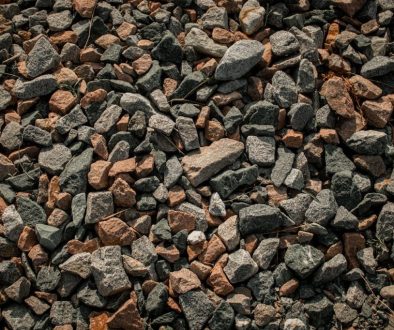
Not all gravel types handle cold, wet weather the same way. When ground is damp or even lightly frozen, finer-grained materials can go mushy or shift too easily. That’s where 20mm gravel stands out.
• It drains well, which helps deal with winter downpours or meltwater, keeping surfaces from pooling or flooding.
• Larger stones spread weight better and are less likely to sink or slide around when placed on soft spots.
• It creates a steady layer that supports extra loads without turning unstable, even when the weather doesn’t stay dry.
Using 20mm gravel loose tipped helps set a strong start that won’t wash away or shift after a few frosty nights. It gives us a buffer against unpredictable weather and keeps surfaces safer underfoot too.
Our aggregates page details that bulk loose tipped 20mm gravel is sourced locally, is popular for driveways and paths, and supports quick, tidy ground cover installation even in adverse weather. The size of these stones keeps them from compacting too tightly, so water can pass between them, lowering the risk of puddles forming in the winter. If the weather stays cold or wet, you’ll want a surface that doesn’t get bogged down.
Why Loose Tipping Works Best in Wet Weather
Getting gravel on site is one thing, but getting it down and ready without wasting daylight is another. Loose tipping saves time, especially in winter when every hour counts. It lets us drop material exactly where we want it, straight from the lorry.
• Because we’re not dealing with bags or bulk sacks, there’s no cutting, lifting, or carrying in the cold.
• It lands ready to spread, so we can make progress as soon as it arrives.
• There’s less mess and less double-handling, which is a bonus when working in tight spaces or on muddy driveways.
This method works really well during colder months because it removes extra steps. We avoid dragging bags across wet sites or having to clear an area twice. It’s about keeping jobs smooth and simple when everything else outside tries to slow us down.
Enviro Skip Hire delivers bulk loose tipped gravel throughout Cheshire and Staffordshire with direct-to-site drop-offs so there’s no need to move heavy bags or pallets in wintry conditions. With bulk delivery, teams can spend more time on laying and spreading, and less on moving materials about in messy or icy weather.
What to Know Before Ordering Loose-Tipped Gravel
Loose tipping is quick, but it does mean we need to plan ahead. Deliveries go much smoother when we’ve taken a few steps before the gravel arrives.
• Make room for the material by clearing tools, waste, or anything that might get in the way. If space is tight, flag where you’d like the gravel dropped.
• Check the ground for vehicle access. If the truck can’t back in due to soft or uneven spots, you might need to firm it up or find a clearer patch.
• Most important, make sure the base is ready. If the sub-surface isn’t packed well, even the best gravel won’t settle properly.
These bits of prep prevent small issues from turning into big hold-ups. A quick check the day before usually keeps things on track. When thinking about where loose-tipped gravel should go, picking a spot that’s flat and easy for a lorry to reach helps. If there’s a risk of lorries getting stuck, it’s good to lay down temporary boards or mats. Making sure that there is not too much mud already in the delivery area will also help keep the drop-off fast and tidy.
During winter, planning access routes and having a path cleared for vehicles before delivery helps speed jobs up. If teams are busy elsewhere, letting the delivery driver know about the best access and drop point can save time and reduce hassle on the day. Giving some thought to traffic or parking around the site, especially on busy or narrow Cheshire roads, can also help avoid setbacks.
If work is happening in the middle of a wet spell, consider checking the weather just before the scheduled delivery. Sometimes a small change in timing makes for a less stressful day. On top of that, covering the base area with a tarp before gravel arrives can keep the surface from freezing or getting waterlogged before the gravel goes down. All of these small steps help winter groundwork run smoother and make full use of the advantages of loose-tipped gravel.
A Smarter Start to Winter Work
There’s no need to put groundwork off just because winter’s here. With the right material and a bit of forethought, jobs can keep moving. Picking 20mm gravel loose tipped can save time, offer better drainage, and support the kind of traffic most winter surfaces face.
In places like Cheshire where December brings heavy rain and shorter windows of daylight, fast delivery and quick spreading matter more than ever. It all adds up to a better, safer surface, one that’s ready to hold shape for the season ahead.
Planning ahead keeps your Cheshire projects on track, especially when it comes to weatherproof groundwork. A dependable base helps you avoid problems like pooling and shifting as the seasons change. We’ve seen great results with 20mm gravel loose tipped, particularly for jobs that need to stay solid through tough winter weather. At Enviro Skip Hire, we focus on straightforward, timely groundwork solutions that set the stage for smooth progress. Call us to schedule a delivery or discuss what will work best for your next project.