
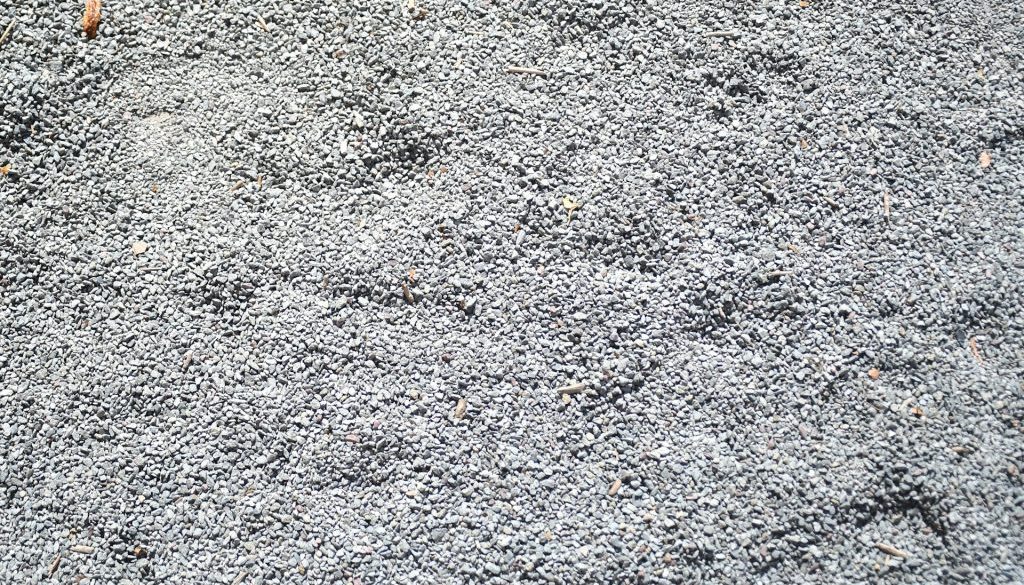
Winter groundwork can be tricky, especially when the weather turns cold and wet. Rain, frost, and frozen soil all make it harder to get things level and stable. That’s why a strong, reliable base is so important on construction sites this time of year. Materials that might work fine in the summer just don’t hold up as well when the ground is soft or icy.
One material we find useful in these conditions is 6F2 crushed concrete. It’s tough, drains well, and holds firm under pressure. Whether you’re preparing access roads, car parks, or laying foundations for something bigger, this kind of recycled fill can help keep things moving during the colder months. But it’s not just about ordering a load and tipping it out, you need to know when, where, and how to get the most from it once the temperature drops.
What Is 6F2 Crushed Concrete and Why It’s Useful
6F2 crushed concrete is made from recycled building rubble like bricks, old concrete, and stone. Once broken down and screened, it creates a mix of sharp, chunky particles ranging from small dust-like bits up to about 75mm. The rough texture helps the pieces sit tightly when compacted, which keeps it from shifting under pressure.
We use it mainly as a base layer. It’s not the kind of material you leave exposed on a finished surface, but it works well underneath roads, yards, paths, and other work areas. In winter, this extra support helps stop things sinking or going soft after heavy rain. If you’ve got diggers or lorries moving in and out of a job site, having this layer underneath makes a big difference.
What’s more, because it’s a recycled material, it’s often easier to get hold of and better for managing waste on building jobs. For sites in and around Cheshire, where cold weather can hit hard, we rely on its strength and quick drainage to keep progress on track.
According to our aggregates page, 6F2 from Enviro Skip Hire is sourced from local recycled materials and produced to specification, making it suitable for both short-term fixes and longer-term base layers.
When and Where 6F2 Works Best in Winter
Not every winter job needs 6F2, but there are plenty where it makes sense. It holds up well in groundworks that involve heavy plant or repeated traffic. If the job includes building up a level pad or creating a solid apron around a work zone, 6F2 helps stop the area sinking or turning into churned mud.
We often use it where conditions get wet or muddy, including:
• Setting up temporary haul roads or tracking pads for machinery
• Starting groundwork on new buildings over soft or uneven ground
• Creating support layers under driveways, yards, or reinforced paths
In winter, the cold and wet slow down the way soil drains, and things can become boggy quickly. This crushed fill soaks up less water and gives a stable surface that can be driven over even when there’s frost in the ground. It helps avoid downtime where machinery gets stuck or workers can’t move materials safely from place to place.
It’s also handy for construction projects that need to keep running through January and February, when daylight is short and stopping again for more prep work isn’t ideal. Getting the base sorted early makes the rest of the job smoother.
Enviro Skip Hire delivers 6F2 in bulk loads or smaller orders, making it easy for Cheshire contractors to keep projects moving, rain or shine.
Site Access and Delivery in the Cold
Before we bring any aggregate like 6F2 onto a job site, we take a close look at access, ground conditions, and where the load will go. This matters even more in winter, when frozen or waterlogged ground can stop large lorries getting through safely.
Things to plan ahead:
• Check how wide the entrance is and if overhead lines or trees could get in the way
• Make sure there’s enough space to turn and tip without damaging tracks or soft areas
• Pick a dry, level spot to place the load, or use sheeting to protect it from rain and frost
Wet conditions can cause delays. If the ground is too waterlogged, we might not be able to tip in the usual place. In some cases, layering down temporary mats or pallets first can help. Also, once delivered, if temperatures drop, the pile of 6F2 can freeze into clumps overnight. That’s why it helps to cover it with a tarp and aim to spread it not long after it arrives.
Safety and Prep Tips for Winter Use
Laying crushed concrete in winter takes a bit more thought. The cold makes tools harder to handle, and shorter days mean darker working hours. Staying safe while prepping ground or spreading heavy material is always priority.
Here are a few helpful steps:
1. Tidy up the surface first, clear out any rubbish, loose soil, or standing water
2. Mark off edges and boundaries to avoid workers or vehicles entering the wrong spots
3. If the area is sloped or slick, roughen the surface a bit before spreading material
4. Don’t leave piles of aggregate where rain can collect and freeze, spread it sooner rather than later
Frozen lumps can damage tools or machinery, so if the crushed concrete arrives and sits for a while, a quick check before spreading helps avoid problems. Cold fingers, wet gloves, and icy ground mix poorly, so good kit, the right footwear, and clear sight lines all help when pacing jobs through bad weather.
Why Choosing the Right Material Matters in Cold Weather
When the weather turns, soft ground and slow drainage make it harder to keep work moving. That’s why materials like 6F2 crushed concrete come in handy. They don’t just fill space, they give structure, help drainage, and hold firm under loads.
We’ve seen how a proper sub-base can make or break a site when winter hits. Picking the right material means less patching later and fewer delays when the frost lifts. For businesses working outdoors in places like Cheshire, it’s worth taking the extra time to plan what goes underfoot before anything else goes up or out.
Short days and shifting weather mean everything gets a bit more hurried in late December. But when it’s cold, getting the ground right first can make all the difference. A solid foundation supports not just buildings but every hand, wheel, and tool that touches that ground through the season.
Working through winter on sites around Cheshire means choosing materials that can withstand the cold and wet is important to keeping your project on track. We’ve found that using a proper sub-base like 6F2 crushed concrete delivers the stability needed for machinery access and helps prevent unexpected delays. Whether you’re preparing access roads, base layers, or yards, starting with the right groundwork makes all the difference. At Enviro Skip Hire, we’re ready to discuss your site requirements and offer practical solutions for a steadier winter season, get in touch today.