Cold weather doesn’t mean work stops, but it does change how we plan and prepare. When winter sets in across places like Cheshire, we need solid groundwork that holds up to frost, rain, and changing conditions. That’s where loose MOT Type 1 makes a difference.
This type of aggregate gets used often in colder months for good reason. It’s strong, drains well, and compacts into a base that lasts. We turn to it for projects where the ground needs to stay firm, even when the weather doesn’t help. Whether you’re laying something permanent or just need a hard-wearing surface to get through winter, it’s one of the most dependable choices for site prep. Let’s take a closer look at how and where it works best during winter.
What Makes Loose MOT Type 1 Good for Cold Ground
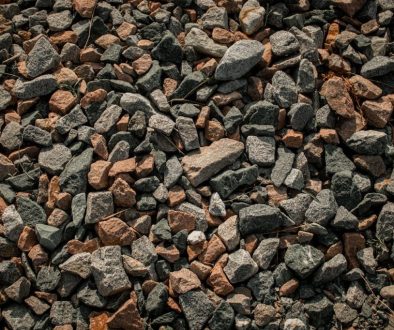
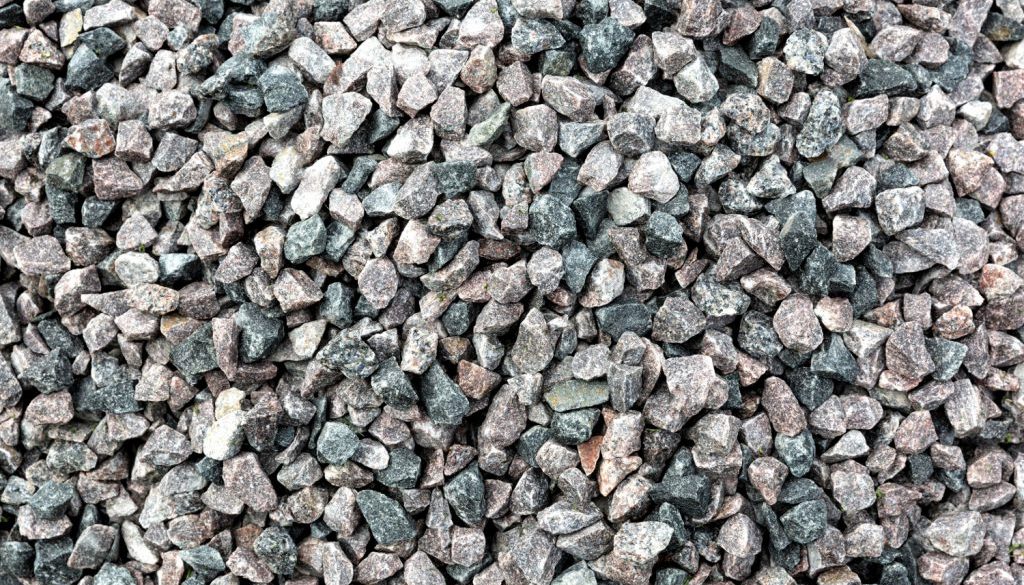
MOT Type 1 is made from crushed hard stone, brick, or concrete and is used as a sub-base layer for groundwork. It’s approved for highways but works just as well on smaller jobs. The loose version isn’t tightly bound together, which makes it easier to spread and compact before frost really sets in.
In cold conditions, the way the material behaves matters. Wet or frozen ground has less grip and more movement, so we need a base that won’t shift or soak up water. Loose MOT Type 1 does the job because:
• It binds tightly when compacted, even on damp or frozen soil
• The mix size helps lock everything in place while still draining rain
• It doesn’t break down or lose shape after a few freezes or heavy weather
We’ve seen how water-saturated fill can swell, freeze, and crack in the wrong conditions. Using the right kind of aggregate avoids that hassle before it begins.
Where You’ll See It Used Most in Winter Projects
There’s always bits of work that carry on through winter, even if the days are shorter and colder. Loose MOT Type 1 shows up anywhere solid ground is needed. During January and early February across areas like Cheshire, we often see it used in:
• Shed or greenhouse bases that need finishing before spring
• Temporary car parks or access roads into muddy sites
• Foundation layers for patios or paving that need time to settle
The reason it works so well comes down to how quickly it can be laid and compacted, even in less-than-perfect weather. Once it’s down and flat, it gives us a surface that holds weight without shifting. That also protects other materials like tarmac or blocks that go on top later.
We often use it ahead of any planned builds in spring, giving those jobs a solid head start while the ground is still cold but workable.
Preparing and Storing Aggregates in Cold Weather
Loose materials don’t like sitting wet and frozen for long. When we’re using loose MOT Type 1, we try to plan a little ahead once the forecast starts dropping. A few simple things help keep it ready:
• Keep the pile off bare ground and cover it to stop water soaking in
• Bring deliveries to site earlier in winter to avoid icy loads
• Allow time for the material to break apart if some parts do freeze
Skip drops are especially useful for keeping materials tidy and easy to access near the job. If everything’s ready to go before the weather turns worse, it’s easier to keep things moving without long delays.
Winter slows things down enough already, so anything we can do to work smarter with the materials helps.
What to Watch Out for With Loose Ground Materials
Not every material can handle cold or wet ground. Lighter fills or soft backfill often shift or slump once moisture gets in. That can create dips, uneven surfaces, or worse if things shift after building on top of them.
Loose MOT Type 1 is different, offering:
• Compressive strength to hold steady under pressure
• Drainage space to stop water collecting under surfaces
• A surface that keeps its shape through rain, frost, or thaw
We’ve had plenty of winter starts where rushing the base layer leads to more fixing later. When this material is used the right way, it saves time and work come spring.
Watch for signs of poor drainage or uneven compaction. Those are often the early clues that something’s off. But with proper prep and material choice, it’s far easier to avoid.
Reliable Winter Aggregates for Your Project
Loose MOT Type 1 is available from suppliers like Enviro Skip Hire, which offers both large and small loads delivered directly to your site. Our skips help keep your workspace tidy and make aggregate deliveries flexible, even in harsh weather. As a family-run business in the region, we are known for quick responses and efficient, safe drop-offs.
Solid Base for Winter Work
When we’re working through a cold stretch, having the right base material makes all the difference. Loose MOT Type 1 steps up by giving us a sub-layer that holds firm in the face of frost, water, and weight.
It’s tough, drains properly, and lays into place with minimal fuss, even when the temperatures drop. Winter groundwork is already a challenge, but with the right base underneath, the build stays on track and ready for the months ahead.
If you’re planning winter prep across Cheshire or just need solid footing to finish a job properly, this material helps everything stand a little sturdier through the season.
Working on construction projects in cold, wet Cheshire conditions means having a solid foundation, and using materials like loose MOT Type 1 helps keep your site stable, drains excess water, and holds firm through frost and heavy rain. It’s a straightforward way to keep your jobs progressing when winter weather sets in. At Enviro Skip Hire, we’re here to help you prepare before the weather slows things down. Call us to discuss what you need for your next project.