When the ground goes hard from frost and temperatures drop below freezing, outdoor building doesn’t stop. But if we don’t prep our sites right, frozen ground can make a simple job a lot harder. That’s why 6F2 crushed concrete gets used quite a bit when winter sets in.
This type of recycled aggregate works well for cold, wet, and frozen ground conditions. It creates a solid base that lasts even when the weather doesn’t make it easy. It’s not just about what it’s made of. It’s about what it can handle.
Let’s look at how this material fits into frozen groundwork and why we reach for it when January rolls in across places like Cheshire, UK.
What Is 6F2 Crushed Concrete?
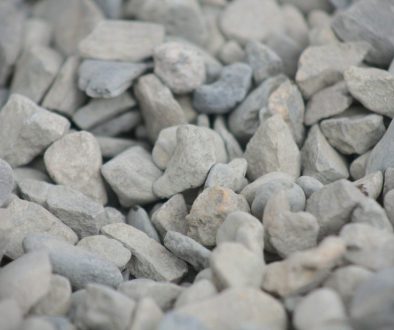
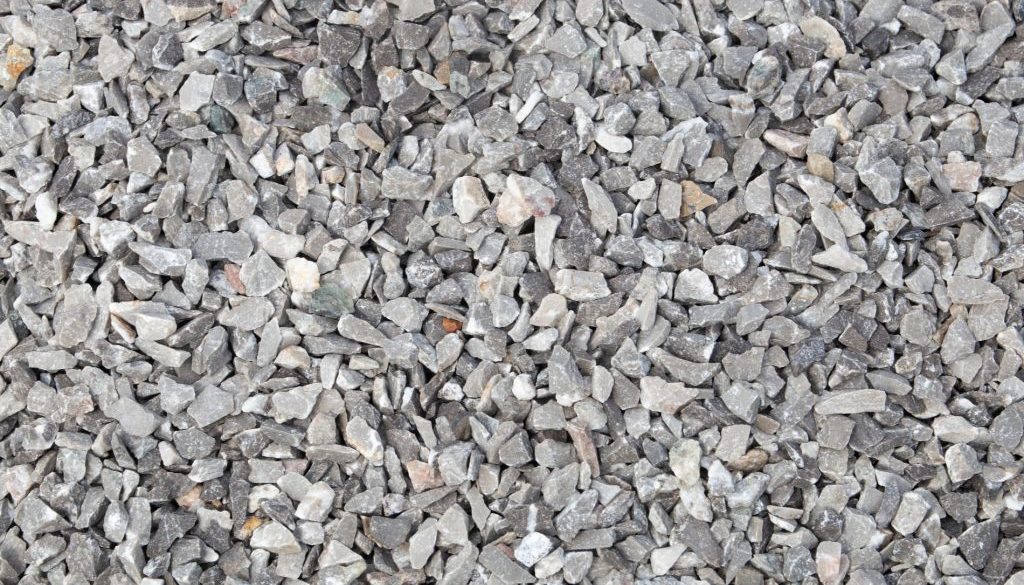
6F2 crushed concrete is a type of recycled aggregate mostly made from old concrete, bricks, and other hard building waste. Once those old materials are cleared from sites, they’re crushed into smaller chunks. What’s left is 6F2, rough, heavy, and made to support major groundwork.
It’s great for:
• Layering under roads or car parks
• Creating a strong sub-base for driveways or yards
• Filling large holes or low areas in muddy ground
The size of the pieces can vary, which actually helps it compact well. That gives us a base that doesn’t shift too much when cold weather puts pressure on it. It also means we’re reusing waste that would otherwise end up in a tip. This makes 6F2 both an economical and environmentally friendly choice, since it reduces unnecessary landfill. We appreciate how its rough, uneven pieces help the layers grip together when they’re rolled or pressed down. Because of its strength, 6F2 can also take on heavier loads, and it doesn’t break down as easily as softer materials might do once temperatures drop or rise again.
Why Frozen Worksites Need Tougher Ground Prep
When soil freezes, it expands. Then it shrinks again when it warms up. If we build on top without the right prep, things can move around more than they should. Cracks, dips, or wobbly levels can show up fast.
In winter, softer fill types can struggle. They don’t lock together well and can shift as the ground underneath changes. That’s why we put more thought into what goes down first in the colder months. We need a sub-base that can stand up to frozen ground and keep what’s built on top from shifting out of place.
That’s where 6F2 helps. It gets compacted tight, so it doesn’t move much. It’s also sharp and tough, which helps it grip the ground better. Skipping this step can mean coming back in the spring to fix uneven surfaces or fill dips that have appeared. With the right prep, you avoid callbacks and repairs.
If you’ve ever seen a driveway that has sunk in odd spots after a cold winter, it usually points to weak fill under the paving. By investing in a solid sub-base first, with 6F2 or something similarly strong and stable, you help prevent those headaches later on. We rely on clear steps for groundwork prep, knowing that the weather is rarely on our side during winter.
How 6F2 Holds Up in Cold and Wet Conditions
Not every material is ready for freezing cold or heavy rain. We’ve seen soft fill turn to mush or get waterlogged after just a few wet days. But 6F2 crushed concrete isn’t like that.
• It compacts well, even when the ground is cold
• It lets rain drain through instead of staying soggy on top
• It keeps the layer underneath stable by spreading weight out evenly
This matters a lot in places like January where the ground is often frozen one week and soaked the next. If water sits too long, or ice forms right under a weak base, problems show up fast. A good layer of 6F2 helps protect against that.
Because the chunks are irregular, water finds its way through and drains away instead of pooling. That keeps frost from building up right under paved surfaces, which helps stop heaving or sudden cracks. In Cheshire, where the rain and cold often swap places, groundwork stability comes down to having a base that can manage both at once.
It’s useful for more than just roads and paths, too. Playgrounds, storage yards, and even temporary winter car parks can benefit from a layer of 6F2. It stands up to the challenge when people park or walk over it each day, and it doesn’t break up just because it’s raining or frosty.
When to Use 6F2 During Winter Projects
We usually find winter groundwork is quiet in places, but there’s still work that needs doing. Garden paths, tarmac prep, concrete pads. Weather might make things slower, but it doesn’t stop everything.
Good times to use 6F2 crushed concrete include:
• Laying a base for a new shed or workshop before spring
• Making a temporary access road to reach a site during rain or snow
• Filling in uneven ground that froze rough and needs to be levelled
We find January and February are good months to put 6F2 down. The ground is firm anyway from the cold, which helps when compacting. We just need to make sure the material isn’t frozen solid when it’s tipped.
It’s also important to choose the right time for deliveries and installations, given daylight hours are short and sites often run on smaller teams. Planning ahead, and having material ready before the coldest weather, can mean you stay on schedule even when conditions aren’t ideal. Sometimes, using skips to bring materials to harder-to-reach rural locations helps with speed and keeps teams moving. 6F2 plays a part in all kinds of small winter works, from patching up muddy car parks to building up new areas for spring planting.
Planning Your Aggregate Use for Freezing Weather
Cold weather makes everything a bit more awkward, and aggregates are no exception. If 6F2 is stored outside in constant frost, the chunks can freeze together. That makes them harder to move and slows site work.
A few ways to stay ready for winter use:
• Keep blends like 6F2 under cover or out of direct rain if possible
• Bring in materials ahead of big cold snaps to avoid delays
• Use skip hire or delivery options early to keep projects on schedule
It’s not just about having the right material. It’s about having it on hand when you need it. Frozen projects already move slower, so anything that saves time helps.
Even just storing a load of 6F2 under a simple tarpaulin or canopy can make a difference. When winter snow or sleet arrives, covered stock means no waiting for materials to thaw or dry out before use. This extra bit of planning helps avoid project slowdowns, especially on busy commercial or residential sites.
Quality Aggregates Backed by Family Service
Sourcing your aggregates in winter is simpler when you have a reliable supplier. We offer 6F2 crushed concrete and a broad range of other aggregates, all delivered across Cheshire and the surrounding regions. As a family-run business, we are committed to quick delivery, flexible service, and environmentally responsible recycling practices that help keep your project waste under control during every season.
Getting quality materials delivered on time is a relief when jobs are already working round the British winter. It means less time spent chasing up late drop-offs or moving sodden piles in the dark. With local knowledge, it’s easier to choose the best option for your project, whether you’re working on busy town sites or rural driveways off muddy lanes.
Stay Prepared for Winter Groundwork
Frozen worksites don’t mean every job has to wait. With the right materials set out early, you can avoid delays from frost, rain, or thawing. 6F2 crushed concrete gives you a steady, quality base, while using recycled materials that benefit your site and the environment.
Planning winter groundwork in Cheshire and looking for a reliable base material that stands up to cold, wet conditions? We offer recycled options designed to perform when the ground is frozen. One of the most dependable choices for January and February is 6F2 crushed concrete, ideal for keeping your projects on track across different areas of your site. For expert help in sourcing the right materials this winter, contact Enviro Skip Hire today.