Spring is the season when a lot of us in Cheshire start planning work on our outdoor spaces. The sun’s out a little longer, the ground’s finally dried out a bit, and it feels like the right time to start digging into garden projects we’ve been putting off all winter. One of the first things people often turn their attention to is fixing up paths or driveways. And for that, the material under the surface matters just as much as what goes on top.
That’s where Type 1 MOT comes in. Whether you’re adding a new gravel path or reworking a patio, this crushed material makes up the solid base layer underneath. It forms the foundation that keeps everything above it grounded and in place. Here, we’re walking through what Type 1 MOT actually is, why it’s so useful during spring work, and how it fits into common garden improvements.
What Is Type 1 MOT and Why It’s Used
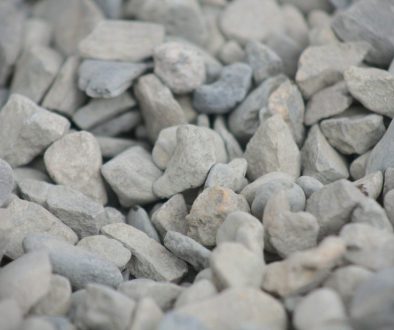
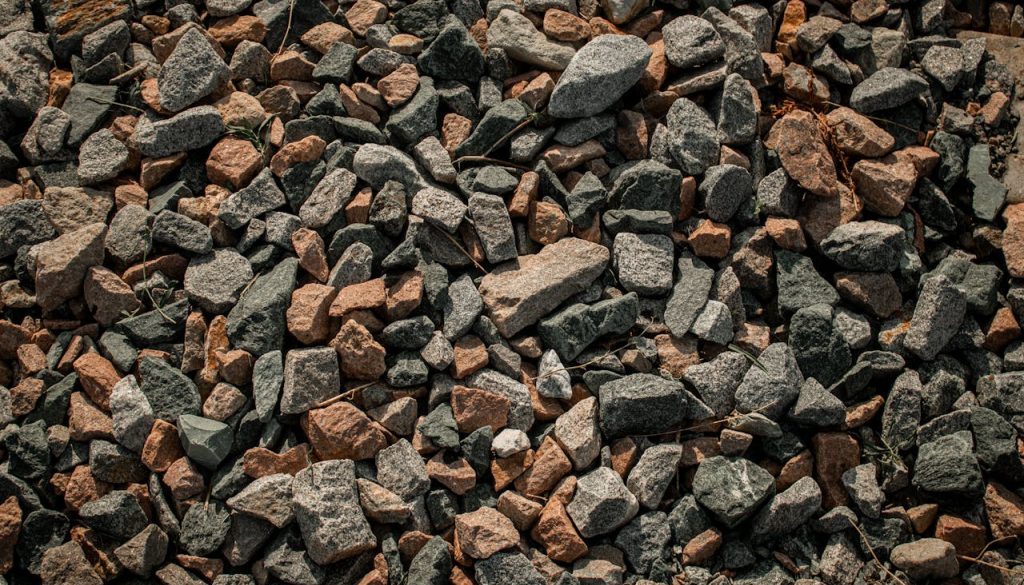
Type 1 MOT is a kind of graded crushed aggregate that’s been approved for use by the Ministry of Transport. It’s made from crushed materials like limestone, granite, or concrete, all broken down to smaller sizes. The bigger bits give strength, and the smaller bits fill in the gaps to help everything compact tightly when pressed into place.
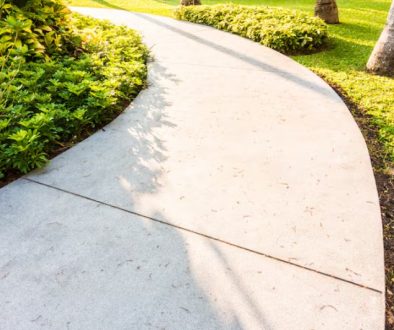
This tight compaction is what makes Type 1 MOT such a good base for paths, patios, driveways, and other hardstanding areas. When laid properly, it can take a fair bit of weight without shifting. That means the surface above it, whether that’s slabs, bricks, or gravel, is less likely to move around, settle unevenly, or crack later on.
Spring is a good time to put down new paths or refresh old ones, and using the right base underneath makes a big difference. When the ground is still recovering from heavy rain during winter, choosing the right materials beneath the surface helps create something more reliable going into summer.
Enviro Skip Hire supplies Type 1 MOT in bulk bags and loose loads, with delivery direct to sites across Cheshire and Staffordshire, making it easy to source the right amount for any path, patio, or driveway project.
Preparing for Spring Projects with the Right Base
We get unpredictable weather around spring, especially in places like Cheshire. Some weeks are dry and warm, while others bring rain that leaves soil soft and unstable. Starting garden projects in these conditions can be tricky if the base materials can’t keep up.
This is one of the reasons Type 1 MOT works well at this time of year. It compacts tightly and creates a layer that doesn’t shift much when the top surface goes on. That extra stability helps prevent issues like:
- Sinking under foot or vehicle weight
- Puddles collecting in low spots
- Cracks forming in slabs or paving over time
When laying slabs or gravel, we always recommend using a solid base while the ground is still a bit damp from spring showers. It gives enough moisture to help compact the material properly, but not so much that the surface turns to mush. Type 1 MOT drains well too, which is helpful when the weather swings back and forth between dry and wet.
How Type 1 MOT Fits into a Garden Path Project
Using Type 1 MOT in a basic garden path build usually follows four main steps:
1. Clear out the path area by removing turf, weeds, or anything else sitting on the surface
2. Dig to the right depth so there’s space for the base material and the finished path surface
3. Add the Type 1 MOT in layers, around 50mm deep each time, and compact after each layer
4. Finish it off with your chosen top material like gravel, bricks, or paving slabs
Depth and compaction are key here. If you put down the full depth all at once without pressing it down in stages, it won’t settle evenly. That leads to weak spots that can sink or shift later on. We recommend building the base to match the size of the area being worked on, which helps keep pressure even across the full surface.
A small garden path might need a few wheelbarrows’ worth of Type 1 MOT, while a longer or wider walkway could need a bulk bag or more. Taking a few minutes to measure out the space beforehand helps avoid running short halfway through.
Do’s and Don’ts When Using Type 1 MOT
Getting the base right can be the difference between a smooth path and one that needs early repairs. Here are a few tips we always stick to when working with Type 1 MOT:
- Do clear the area down to solid, undisturbed ground before adding any base material
- Do lay the MOT in layers and compact each one before adding another
- Do check for level as you go to avoid dips or slants in the final path
- Don’t mix in soft or loose fill materials like topsoil or leftover waste, this breaks down too easily
- Don’t rush the compaction step or skip it completely, uncompacted MOT will shift when walked on
- Don’t layer MOT directly over wet, marshy ground without firming it up first
These steps help keep the structure below your path strong, long-lasting, and ready for whatever sits on top, whether that’s light use or regular traffic from bicycles, bins, or wheelbarrows.
Getting Outdoor Jobs Off to a Strong Start
Spring paths and garden projects are a lot easier when the ground is solid from the start. Type 1 MOT gives us that kind of support. It evens out bumps, helps water drain properly, and keeps finished surfaces from slipping or sinking as time goes on.
Once the base is packed in, everything else on the job tends to go more smoothly. Slabs lay flatter, edging lines stay straight, and freshly poured gravel doesn’t come loose. As we all get ready to use our outdoor spaces more in the months ahead, having that strong foundation already sorted gives us one less thing to worry about. It’s a solid place to start for spring.
Planning a new path or patio in Cheshire? The right base makes all the difference for keeping your project sturdy through every season. We always recommend materials like Type 1 MOT to build strength, proper drainage, and support that lasts. From our experience at Enviro Skip Hire, getting the base right from the outset saves time and prevents future headaches. Reach out to discuss your spring groundwork, we’re here to help make your plans a success.