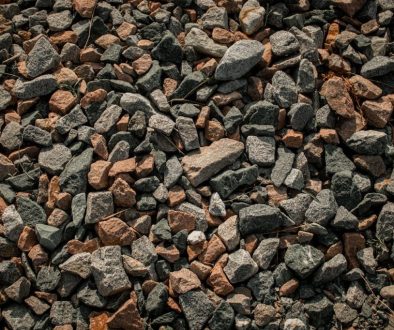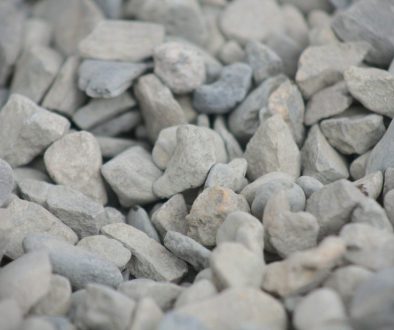
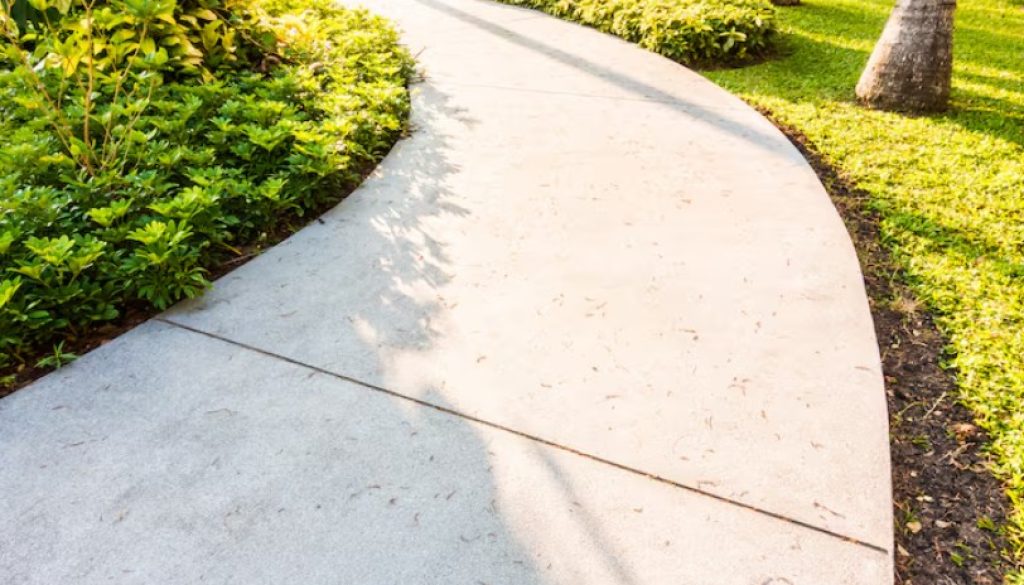
MOT Type 1 is a crushed stone mix that’s popular in building projects where a strong base is needed. It’s used under paths, driveways, patios, and roads to help create firm, long-lasting surfaces. What makes it such a go-to choice is how well it locks together after being compacted, making it stable and solid under pressure.
This is especially handy on sloped properties. Sloped ground often needs extra care to prevent movement, erosion, or water pooling. Knowing where and how to use MOT Type 1 gives better results when building anything outdoors with uneven ground. It’s not one-size-fits-all, but when used right, it makes a big difference in how well a surface holds up. The right base makes everything else last longer, so focusing on strong groundwork in the early stages of outdoor construction pays off in the long run.
What Makes Sloped Ground Tricky
Working on flat land is usually simpler, but slopes add new problems. With angles and gravity in play, surfaces can shift or wear out faster. Water tends to run downhill, which means poor drainage can lead to erosion or puddling right after a heavy rain. Over time, that leads to damage.
The soil on a slope might move, sink, or slide. If the base isn’t prepared well, it doesn’t take much for the ground to give way. That might not be obvious until cracks show up in paths, loose gravel shifts down a hill, or walls start bending under pressure. Sometimes the sloped ground may also be uneven in different places, making it a bit unpredictable if not properly prepared for outdoor work.
What goes under the surface matters most. If the base isn’t stable, then anything on top of it has a higher chance of failure. Spending time upfront on ground prep can help avoid future repairs and reduce safety risks. Good preparation also makes maintenance easier when the seasons change or when weather gets especially wet in places like Cheshire. Planning ahead saves work and helps avoid problems before they even start.
Why MOT Type 1 Works Well on Slopes
One reason MOT Type 1 is used in sloped areas is its mix of large and small crushed materials. That blend helps it compact tightly when pressed down, leaving fewer gaps. A solid base resists movement, holds weight better, and drains faster than loose soil.
There are three qualities that make it useful on slopes:
- Compacts well so it forms a firm base
- Lets water pass through so it doesn’t pool
- Resists shifting under pressure
When MOT Type 1 is compacted properly, the pieces press together closely, so the finished layer acts almost like solid stone, except water can still drain through. This reduces the chance of the surface above cracking or moving out of position. It’s a very practical option for pathways, car parking areas, and driveways on sloped ground, especially where weather can be unpredictable and you want low maintenance.
We’ve seen it used under gravel driveways that run downhill, behind garden retaining walls, and on sloped pathways where keeping ground in place is important. Once packed into layers, MOT Type 1 forms a surface that supports movement above it without slipping underneath. There are also times where it is combined with other products to achieve the best outcome for tricky conditions.
Enviro Skip Hire supplies MOT Type 1 as both bulk loads and bulk bags, which can be delivered throughout Cheshire and Staffordshire. Our MOT Type 1 is suitable for use under highways, public footpaths, access tracks, and domestic paving or driveways.
Proper Use of MOT Type 1 on Sloped Projects
Laying MOT Type 1 takes more than just pouring it into a hole. Especially on a slope, the way it’s placed matters.
A typical build starts with digging out the space. The base layer needs to run deep enough to hold weight, but not so deep that it sits unevenly within the slope. Making sure the depth remains consistent is helpful, as this can stop dips from forming later on. After this, layering is important. MOT Type 1 should be spread in shallow layers and compacted one at a time to avoid slumping.
Moisture content also makes a difference. Damp MOT Type 1 compacts better than dry or soaked material. On angled ground, the right moisture balance helps it bind together and sets a stronger hold before other materials are added on top. This means fewer gaps, so water won’t cause the material to move or wash out underneath your project.
Getting the angle and depth right takes experience. The steeper the slope, the more careful you have to be with each layer. Shallow slopes may be simpler, but even there, patience with compaction pays off. We always recommend working with professionals on steep or unstable ground where mistakes can be harder to fix once the structure starts to shift. When done properly, the finished base keeps paths, driveways, and patios steady and safe for a long time.
Taking the extra time to check each layer, adjusting as you go, and compacting with proper tools reduces the risk of surprises later on. On smaller slopes, even a hand tamper can help, but for bigger projects, a mechanical roller might be needed for best results.
Other Materials That Might Be Used With MOT Type 1
MOT Type 1 is often just one part of the full ground setup. It forms the base, but a few other materials may be used above or below, depending on the finish required.
- Sharp sand might be added over the top when laying paving stones
- Decorative gravel or block paving can be used for the final surface layer
- A geotextile membrane under the MOT Type 1 can help stop soil mixing and support drainage
Each piece plays a role. The base gives support, while the layers above shape the look and function of the surface. Membranes prevent problems under the surface where water or roots might cause damage later.
With slopes, every layer works together to keep things in place. For example, sharp sand set above MOT Type 1 creates a flat, level surface ready for stones or bricks, reducing shifting. Decorative gravel on top provides grip and makes paths look finished. Adding a membrane underneath, especially on steeper hills, helps stop soil and MOT Type 1 from mixing or slipping during heavy rain.
This matters more on slopes, where pressure shifts from top to bottom and rainfall doesn’t sit in place. A stronger foundation helps those other layers stay where they’re meant to be. It’s the kind of teamwork that makes even awkward outdoor areas last longer and look neater.
Deciding which combination to use depends on your particular slope and what the end result should be. Some people want a solid driveway you can park on, while others prefer winding gravel paths for garden access. Either way, starting with MOT Type 1 and adding the right extra layers prepares the ground to handle regular use, foot traffic, and all kinds of weather in Cheshire and nearby areas.
Getting the Ground Right the First Time
When you’re working on a sloped outdoor area, groundwork is the part that takes the most planning. Quick fixes tend to fall apart, sometimes in just a few months. Laying a proper base directly affects how long your paths, driveways, or walls stay solid.
MOT Type 1 is one of the most reliable materials for base layers on uneven ground. It holds well under weight, drains naturally, and resists the sort of movement that causes cracks and splits. Strong groundwork means your project will be easier to look after in the future, with less patching up to do after wet weather or heavy use.
With Cheshire’s mix of hilly spots and wet weather, keeping outdoor work stable starts with getting the base material right. Early planning and smart prep go a long way in avoiding issues long term. When the base is done well, everything built on top holds up better too. So even though it takes a bit more effort at the start, you end up with paths and driveways that look good and work properly for years, even with rain, use, and changing temperatures.
Planning groundwork on a slope in Cheshire means starting with materials that offer both durability and proper drainage. We recommend laying a strong foundation using MOT Type 1 to prepare paths, driveways, and outdoor spaces for lasting stability through every season. At Enviro Skip Hire, we’re ready to support your project from day one, give us a call to discuss what will work best for your plans.