When February rolls in, many outdoor paths and tracks in Cheshire start feeling the impact of winter rain. Fields get soaked, farm roads become muddy, and soft patches can appear where groundwork hasn’t held up well. It’s often a tough month for anyone working outside, especially when trying to keep access routes stable and safe.
This is where choosing the right base material matters. Using something like hardcore MOT can make a real difference on wet ground. Its packed surface gives better grip, stops heavy use from ruining walkways, and helps drain away water before it causes problems. Here, we’ll look at how hardcore MOT holds up on wet tracks and what makes it a smart choice when the ground can’t be trusted.
What Makes Hardcore MOT Right for Wet or Soft Ground
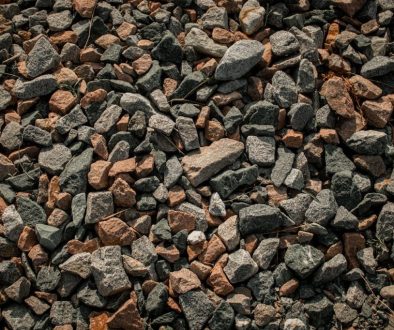
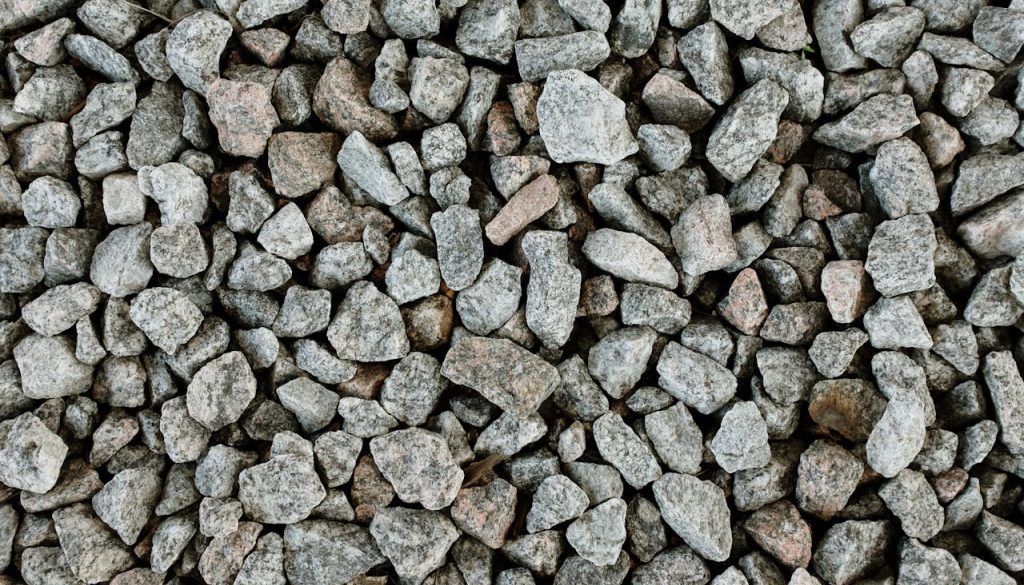
Hardcore MOT is a mix of crushed stone, gravel, and fine materials. When compacted, it forms a dense, even surface that holds its shape well. It’s strong enough to carry weight and rough enough to stop movement.
Its real strength on wet ground comes from the way it settles. Once rolled in, it locks together and creates a solid layer that resists shifting. When water collects on soft ground, the soil underneath can collapse or sink, but hardcore MOT holds firm across the top. This makes it a go-to option for problem spots where wet conditions could otherwise block progress.
The mix also helps water drain through the top layer instead of pooling and turning tracks into a mess. That’s a key reason why we use it where long-term stability matters, especially on temporary roads or paths that still need to carry vehicles or foot traffic safely.
Common Areas Where Wet Tracks Need Reinforcement
There are a few places that always seem to struggle when wet weather hits. We often get questions about reinforcing these areas before spring sets in fully:
• Farm lanes and rural roads – these are often unpaved and prone to ruts during winter
• Construction site access – equipment and workers need to come and go even in rain
• Garden paths and walking routes – regular foot traffic cuts into soft ground, making it uneven and slippery
These are the sorts of tracks where expert groundwork can make the difference between a passable surface and a muddy slip hazard. Applying hardcore MOT can keep things usable through the wetter parts of the year, especially when other surfaces would just give way or need patching again and again.
Wet ground poses persistent problems for heavy vehicles and foot traffic alike. Unpaved farm lanes can quickly become boggy, while construction vehicles may get stuck or cause deeper ruts as rain continues.
Even well-used garden paths benefit from additional stability, as repeated use often creates slippery spots and worn-down muddy tracks that become dangerous for walking. By shoring up these vulnerable areas, it’s possible to keep regular access open, reduce maintenance, and avoid surprises later in the season.
How Proper Layering Improves Performance Over Time
Laying hardcore MOT isn’t just about tipping it into place. It needs to go down in steps to really work the way it’s supposed to.
• Layers should be compacted one at a time using a roller or plate compactor
• The total depth matters – thin layers wear down faster under weight
• A base layer of larger crushed stone can sit underneath to help with drainage
Water needs somewhere to go. If it can’t drain, it will sit in the material or run off into nearby areas and cause erosion. That’s why we always think about the full structure under a track, not just the surface. It’s tempting to rush, especially when weather windows are small in February, but proper prep now means we’re not repairing the same spots in two months.
Layers also help spread weight. When a track just has one deep layer of loose stone, it can form dips or channels over time. Compacting each layer helps prevent those weak points from forming too early.
Making small changes in the way hardcore MOT is laid can greatly extend the life and usefulness of a track. Each step, from checking the sub-base to gently spreading and pressing down each layer, adds to overall strength, stops problems before they start, and ensures the surface is ready to handle not just today’s traffic, but the spring and summer ahead.
Taking time to layer materials properly also helps reduce the need for extra repairs later, saving effort and worry when the weather is at its worst.
Mistakes to Avoid When Working with Hardcore on Wet Ground
There’s a right and wrong way to lay down hardcore MOT, and we’ve seen how quick fixes sometimes go wrong. These are a few things we try to avoid on wet sites:
• Laying it on ground that’s still too soft – no surface will hold up if the mud underneath gives way
• Skipping checks on water flow – it’s easy to forget how water moves around a site, but bad flow means washouts down the line
• Forgetting how tight access might get when paths are soaked – large vehicles need a clear route and enough room to tip safely
It all starts with the state of the ground. If it’s already waterlogged, we often need to wait or dry it out a little before we lay anything. Otherwise, we risk wasting the material and having to start again. Drainage is the next concern. Hardcore won’t help much if water just runs down from higher ground and washes half of it away.
Access is an easy one to forget. If a delivery lorry can’t get up the track without sinking, we don’t get the product where it’s needed. Tracks should be checked and cleared well before the job starts.
Having a plan in place also prevents other common mishaps, like misjudging the amount of hardcore required or missing soft spots that need added reinforcement. Setting up clear boundaries for the work area and marking any hidden hazards can make it more straightforward to get materials delivered, spread, and compacted.
Taking the time to walk the track beforehand, especially after a rain, means any issues are spotted early and can be addressed before they disrupt the rest of the project. This extra preparation creates a smoother job for everyone involved.
Expert Delivery and Support for Hardcore MOT
When managing wet sites or farm tracks in Cheshire, it helps to work with a supplier that knows local conditions. Enviro Skip Hire is a family-run business with years of experience supplying aggregates directly across the region. We offer loose loads and bagged delivery options, so you can choose the right amount of hardcore MOT for your project and have it brought straight to your location. Our team can provide helpful advice on delivery logistics, access, and the best way to prepare challenging ground.
A local supplier can also make a big difference when it comes to timing and handling site access challenges. Because muddy sites often mean unreliable roads, it’s important to coordinate delivery windows and use equipment that won’t get bogged down. Whether your track runs through a garden, field, or work site, planning ahead with a supportive local partner ensures that materials arrive as scheduled and can be used as soon as they’re needed.
Choosing a well-established business for your aggregate supply also improves peace of mind. Not only are materials delivered and unloaded safely, but questions about the right depth, layering method, and type of material can be answered easily. This support can be especially reassuring in the middle of a soggy winter, when every shortcut could turn into a bigger repair job down the line.
Getting Ahead of Spring Work with Stable Bases
February puts us in a good spot to stay ahead. The days are still short, and the ground might not be fully dried yet, but it’s the right time to sort out base layers before bigger projects begin.
Bringing in base materials for wet tracks now means we’re not juggling everything at once when spring weather and busier jobs clash. If we’ve already laid the hardcore MOT and let it bed in, we move quicker later. Jobs begin on time, and routes stay drivable, sparing us the hassle of digging out ruts after every downpour.
Planning a job around soft ground always has its moments, but that’s why picking a good starting point sets everything else in motion. A solid base isn’t just useful for the week it goes in. It keeps the whole chain of work steadier and safer, especially when conditions are less than perfect. Keeping heavy footfall or machinery on stable footing means fewer delays, fewer repairs, and more confidence that tracks will hold as we move into the season ahead.
It’s always wise to check on access tracks ahead of any new project, bringing in new base layers now rather than waiting for trouble spots to develop. Good planning and reliable materials mean work keeps moving even during the wettest times of year, with stable tracks and fewer headaches on site. Taking small steps now, like looking at vulnerable areas or scheduling a delivery, can mean a much smoother start to spring, with projects running well and fields staying accessible.
Planning groundwork around Cheshire this winter means having the right base in place from the start. We understand how challenging it can be to keep track stable when the rain sets in, so sorting your materials early makes all the difference. To keep soft ground firm through the season, we recommend hardcore MOT for proven support. It stands up to heavy traffic and helps prevent delays or unexpected problems down the line. For expert advice on setting up stable track bases, get in touch with Enviro Skip Hire.