After weeks of wind and rain, many outdoor spaces around Cheshire are left a bit worse for wear. Drains can get blocked, water pools in all the wrong places, and soil does not soak it up the way it should. Once things start to dry out, these storm leftovers can become a bigger problem than they first looked.
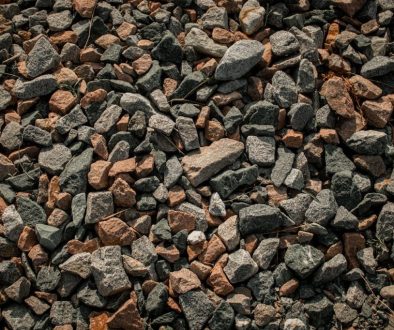
Using 20mm gravel is one way to give those waterlogged spots a better chance of recovery. This kind of gravel is just the right size to let water flow through it without letting the surface break down. Late winter brings just enough time (and often better weather) to set things straight before spring growth kicks in. It is a good moment to take notice of drainage needs and tackle smaller outdoor fixes while there is still time.
Why Proper Drainage Matters After Winter Weather
Heavy rain can leave more than muddy shoes behind. Water that has nowhere to go sticks around long after a storm has passed, especially in low parts of the garden or around paved areas. That standing water starts compacting the ground, soaking fences or patio edges, and making soft spots harder to deal with later.
Sorting out drainage early means dry feet and less mess by the time grass and plants start growing. It is not just about looks. Leaving pooled water can invite moss to grow over patios or eat away at concrete joints, and wet soil might shift or sink once it stops freezing. So, acting now does not just tidy up the view, it protects what is already there.
- Sodden ground can weaken driveways or garden beds
- Stormwater that is left alone encourages moss or soft patches
- Laying the groundwork now lowers the risk of damage come summer
Fixing things before roots start to grow or surfaces get busy again gives you one less thing to chase later. Late February offers just the right moment to get ahead.
What Makes 20mm Gravel a Strong Choice for Drainage
Not all stones are the same when it comes to drainage. If the pieces are too small, they clump and stop water getting through. If they are too big, they do not stay in place. That is where the balance found in 20mm gravel works so well.
Its size lets water run through freely, but it is still firm enough not to get washed out with every downpour. When paired with a good sub-base underneath, it holds shape and stays where it is placed. That makes regular drains work better and helps newer fixes last longer.
- Water moves through 20mm gravel instead of around it
- It does not clog up like finer sand or smaller chippings
- Properly placed, it does not shift easily in high rain
This kind of gravel is a practical, steady solution. Once dropped and raked into place, it blends in with the rest of the garden and keeps doing its job quietly in the background.
Enviro Skip Hire supplies 20mm gravel in bulk bags or loose loads, making it simple to get the right amount for residential or commercial drainage fixes. Our gravel meets strict quality standards for durability, is washed for cleanliness, and suits a wide variety of landscaping and drainage uses in Cheshire and beyond.
Where 20mm Gravel Works Best Around the Property
You do not need a large project to put 20mm gravel to good use. There are plenty of little jobs where it makes a real difference, especially after winter weather has dragged things out of shape.
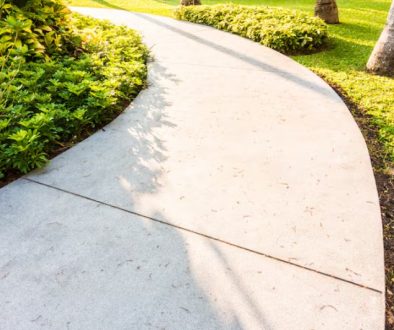
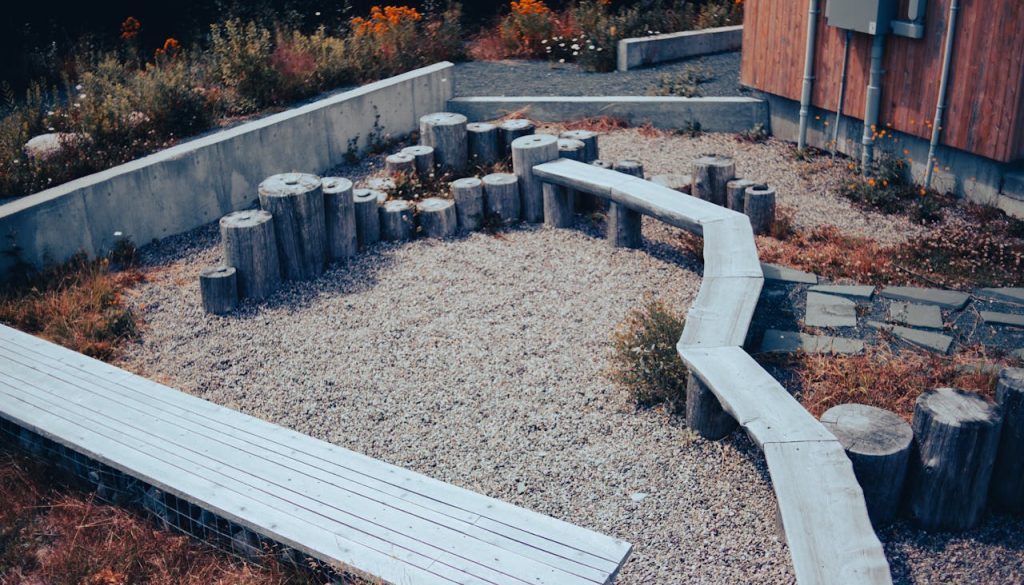
One of its best uses is around paved surfaces like garden paths or patios. Lining the edges with gravel helps water drain off instead of pooling around the gaps. It is also a top choice for soakaway trenches or simple French drains where water needs to be guided away from structures.
- Fill French drains beside fences or garages with 20mm gravel
- Use around raised beds where water flow is uneven
- Spread over flat spots behind small retaining walls to allow better runoff
Low garden corners, the backs of sheds, or sloping walkways are all good candidates. Gravel lets water sink in instead of flowing over and causing ruts or slippery surfaces during the next big shower.
After rain, it is important to notice where water tends to collect and observe any trouble spots. Adding 20mm gravel to these places can make a noticeable improvement in your garden’s ability to handle excess water. For example, you might spot patches of grass that always seem soggy or stone paths that feel slippery after a downpour. Laying a thin layer of gravel can help these areas stay drier and safer, reducing the time spent cleaning up muddy footprints or dealing with puddles near your frontage.
For homes with pets or young children, preventing standing water is an added bonus. Kids and animals track mud into the house less often if water drains away instead of sitting on top. Plus, gravelling wet patches near play areas or outdoor seating makes these spaces usable earlier in the year, giving everyone a better start to springtime outside. Over time, this approach helps prevent soil compaction, making it easier for grass and other groundcovers to grow thicker and more even.
In commercial settings, tidy drainage keeps walkways, car parks, and loading bays accessible. Customers appreciate not having to dodge muddy patches or slippery steps, especially in the early spring months. By using gravel around these high-traffic areas, you keep everything looking clean and working well. Staff also spend less time sweeping out water or salt from entrances, allowing them to focus on other important tasks. For sites with frequent vehicle movement, laying 20mm gravel helps maintain a more stable surface throughout the year.
Getting Outdoor Jobs Started as the Weather Warms Up
By mid-February, the worst of the heavy frost in Cheshire has usually passed. That makes it a smart time to tidy up and move on small builds before everything blossoms at once. Starting now gives some cushion before spring makes outdoor work harder to plan.
Ordering what you need ahead of time helps avoid delays, especially once others start working on their own spring improvements. That includes bagged gravel, skips for leftover rubbish, or space to shift things around while you work. The ground is still firm enough to park equipment without damage, which saves a lot of hassle later.
- Planning in February gives a better shot at getting needed materials
- Soil has not softened too much, making moving gravel or tools easier
- Less growth means clearer access to drains, corners, and run-off points
It is one of those small windows in the year where there is enough light, less mud, and fewer surprises between you and the job being done.
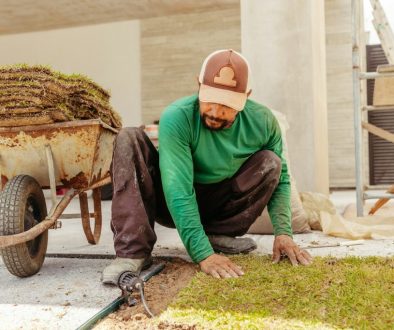
If you are considering fixing more than just drainage, the weeks at the end of winter are ideal for reviewing all your outdoor projects. You can check fencing for loose posts, look over your patio areas for cracks, or plan out where you want new paths or flower beds. Since the ground is not too soft yet, it is easier to move about and mark out new spaces without making a mess or getting stuck in deep mud.
Also, getting a head start now usually means suppliers can deliver on time, since they have fewer backlogs before spring rushes begin. This approach helps make sure materials arrive when you need them so you can stick to your schedule and finish work before the weather changes. Then, as the days get longer, you can focus on planting or painting rather than rushing basic repairs.
Keep Storm Drainage on Track for Spring
Winter leaves its mark in subtle ways. Puddles where there were not any before, slippery grass edges, or damp patches by the driveway might not seem like much now but can become bigger problems fast by mid-spring.
That is why taking a bit of time with proper drainage choices now helps keep everything on track. 20mm gravel holds steady, even in wet, chilly weather, and it is easy to work with by hand without loads of prep. Fixing things before spring means they are set and settled before the next round of heavy use or storms.
We always aim to avoid last-minute scrambling once warmer weekends appear. The better the prep we do now, the less stress later on. It is a simple way to cut down on water damage and keep outdoor areas looking clean and working well into the next season.
Spring is the perfect time to prepare your Cheshire property for better drainage, especially after winter storms. We have seen first-hand how effective the right materials are at helping outdoor spaces dry out and stay that way. By choosing 20mm gravel, you can manage water more efficiently and keep things running smoothly. The team at Enviro Skip Hire is ready to help you get started with the best solutions for your landscaping needs. Give us a call today.