Stop Wasting Money on Your Next Skip Hire
Hiring a skip should be simple, but small mistakes can quietly push the cost of rubbish skip hire up. A skip that is the wrong size, blocked access on delivery day, or the wrong type of waste in the container can all mean extra charges and wasted time.
This is especially common when people are busy with home projects, spring clear-outs or commercial refurb jobs and just want a quick solution. With a little planning, you can avoid most surprises. We want to share practical tips that help you keep control of your budget while still getting the space you need.
As a local waste management team in Cheshire, we deal with domestic and commercial skips every day. We see the same issues again and again, so we know where people go wrong and how to fix it. Our goal is simple: help you get rubbish skip hire right first time and recycle as much as possible.
Choosing the Wrong Skip Size for the Job
Picking a skip size by guesswork is one of the fastest ways to spend more than you need. Go too small and you fill it halfway through the job, then need another skip or extra collection. Go too large and you pay for space you never use.
A better way is to match the skip size to the type of project. As a rough guide:
- Small household clear-outs, loft or cupboard tidies: mini or small skips
- Spring garden waste, pruning, light DIY: small to medium skips
- Bathroom or kitchen refits, larger room clear-outs: medium to large skips
- Commercial refurbishments, shop or office strip-outs: large builders’ skips
Think about bulky items like wardrobes, worktops or baths, not just black bags. A few large pieces can eat up space quickly even if the total number of items is not huge.
If you are unsure, it helps to describe your project clearly when you book. Sharing photos or a short outline of the job lets a skip hire team suggest the most cost-effective size, so you avoid paying for a second skip or half-empty metal sitting outside your property.
Overfilling Skips and Ignoring Fill Levels
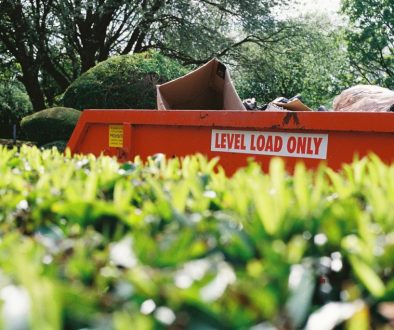
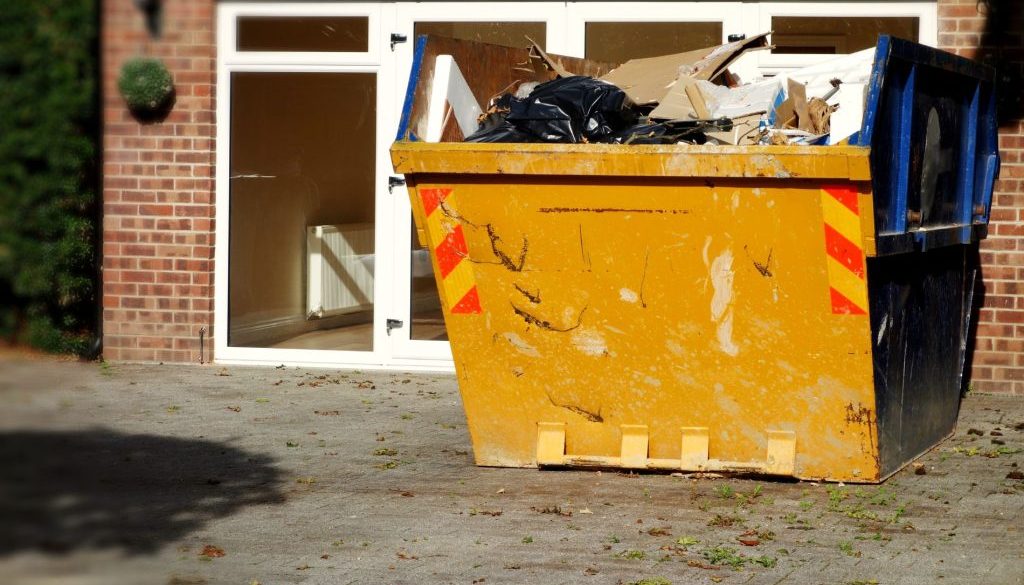
Many people try to squeeze in a bit more to get their money’s worth, but overfilling is a common cause of extra charges. Skips have a marked fill line for a reason. If waste is piled higher than the sides, it may be unsafe for the lorry to lift or transport.
Overfilled skips can lead to:
- Refusal to collect until the load is safe
- Extra time spent removing items and reloading
- Additional charges if a second container is needed
It is not just about the look of the skip. Loose items can shift, fall into the road or damage vehicles while being moved. That is why drivers are required to refuse a skip that they cannot transport safely.
To keep things simple and cost-effective:
- Load level with the top edge, never above
- Break down bulky items like furniture where possible
- Put flat items at the bottom and fill gaps with smaller pieces
- If you think you will be close to the limit, plan for a larger size in advance
A slightly larger skip that you can load correctly is often better for your budget than a smaller one that ends up needing a second visit.
Putting Prohibited Waste in Your Skip
Not everything can go into a standard skip. Some items need specialist handling and cannot mix with general rubbish. Placing them in your skip might not seem like a big deal at the time, but it can lead to extra sorting, special disposal and even fines if regulations are broken.
Common items that should not go into regular rubbish skip hire include:
- Fridges and freezers
- TVs and some electricals
- Tyres
- Paint tins with liquid paint inside, solvents and chemicals
- Asbestos or suspected asbestos
- Gas bottles and pressurised containers
These materials often need special treatment to keep people and the environment safe. If they turn up in a skip unexpectedly, the load might need to be separated by hand, or taken to a specialist facility.
The best way to avoid surprise costs is simple: check your skip hire company’s waste guidelines before you start loading. If you have a mix of general waste and a few tricky items, ask for advice. Alternative solutions, like different containers or separate collections, can keep you compliant and protect your budget.
Poor Planning of Delivery, Access and Permits
You can book the perfect skip size and still run into problems if the lorry cannot get to it. Poor planning for delivery and collection is another hidden cause of extra costs.
Think about:
- Narrow driveways, tight corners or low branches
- Parked cars that might block the lorry
- Overhead wires or low walls and gates
If the driver arrives and cannot safely drop or pick up the skip, you may face a failed delivery or collection. That wastes time and can add charges to re-attend.
There is also the question of permits. If your skip needs to sit on a public road rather than private land, a council permit is usually required. Leaving this to the last minute can cause delays and may mean extra admin fees or a longer hire period than you planned.
To keep things running smoothly and on budget:
- Decide exactly where the skip will sit before booking
- Check access for the size of lorry that will be used
- Move vehicles out of the way before delivery and collection
- Allow time for any required road permits to be arranged, especially in busy periods
Booking early for popular months, when lots of people are clearing gardens or doing home projects, also gives you more choice of delivery slots.
Mixing Heavy Waste and Light Waste Inefficiently
Not all waste is equal. Heavier waste often has different limits and handling needs compared to general light rubbish. If you mix large amounts of soil, rubble and hardcore with lighter household waste, you can quickly reach weight limits, even if the skip does not look full.
Typical heavy materials include:
- Soil and clay
- Bricks and blocks
- Concrete and hardcore
- Tiles and paving
If these are loaded together with lighter waste like packaging, furniture and general rubbish, your skip might be overweight. That can lead to extra charges or the need for another container.
A smarter approach is to plan how you separate heavy and light waste from the start. For example, a dedicated solution for soil and hardcore, combined with a general skip for mixed lighter waste, often works out more efficient. If you are also buying aggregates for your project, it may be worth discussing both needs at the same time so your provider can suggest the best mix of services.
Book Smarter, Save More with Enviro Skip Hire
Keeping rubbish skip hire on budget usually comes down to a few simple habits: choose the right size for your project, respect the fill line, keep prohibited items out, plan access and permits early, and think carefully about how you handle heavy waste compared to lighter rubbish.
At Enviro Skip Hire, we help domestic and commercial customers across Cheshire get these details right while recycling as much waste as possible. A quick chat about your job, a couple of photos or a clear list of what you are throwing away can be enough for us to guide you to the most cost-effective option. Whether you are clearing a garden, refitting a bathroom or managing a larger refurbishment, booking smarter will help your project run smoothly from the first load to the final collection.
Get Started With Your Project Today
If you are ready to clear clutter or manage waste from your next project, we can help you choose the right skip quickly and without fuss. At Enviro Skip Hire, our friendly team will guide you through sizes, permits and timings so everything runs smoothly from delivery to collection. Explore our rubbish skip hire options today and book a slot that fits your schedule and budget.