
Stop Paying Over the Odds for Your Skip Hire
Hiring a skip should be simple. You book it, fill it, and it goes away. Yet many people end up paying more than they expected because of small mistakes that are easy to avoid. The cheapest skip hire is often not the one with the lowest upfront quote; it is the one that is planned properly and used in the right way.
Around Cheshire, we see the same issues again and again, especially when spring clear-outs, garden makeovers and home projects start. A rushed booking, a guess at the size, or a few wrong items in the skip can quickly push up your final bill. With some clear guidance and a bit of planning, you can keep things simple, legal and cost effective while still doing the right thing for the environment.
Choosing the Wrong Skip Size and Type
Guessing the size is one of the biggest ways people push up the cost of their skip hire. If you underestimate how much waste you will have, you can end up needing a second skip or an extra collection. That almost always costs more than going one size up at the start.
On the other hand, booking a big skip for a tiny job means you are paying to move a lot of empty air. A rough guide is helpful:
- Small bathroom refit: usually a smaller skip size is enough for old tiles, fittings and some packaging
- Loft or garage clear out: often needs a medium skip, as bulky items take up space even if they are not heavy
- Garden work with soil and turf: can fill a skip quickly, so you may need a skip suited to heavier, inert waste
It also helps to think about the type of waste. Not all skips are used in the same way once they leave your property. There is a difference between:
- General mixed waste, such as old furniture, packaging and light renovation waste
- Inert waste, like soil, bricks and rubble
- Heavier materials that reach weight limits before they fill the skip
If heavy materials go into a skip meant mainly for light mixed waste, you might hit weight limits faster than expected. That can lead to extra charges or the need for a different container. Getting clear advice at the booking stage is one of the simplest ways to keep things sensible and find the cheapest skip hire for your job.
Overloading, Wrong Items and Weight Limit Surprises
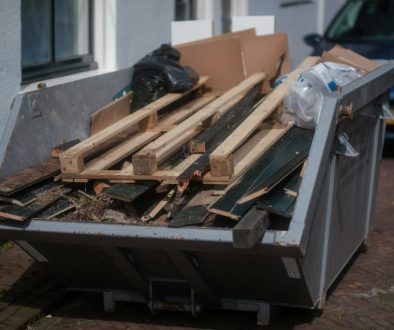
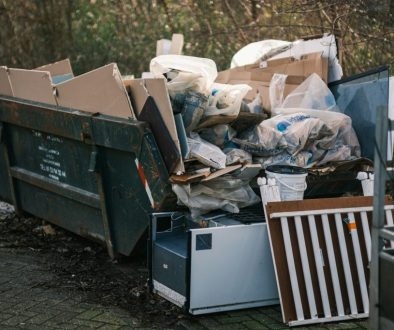
Another common mistake is overfilling the skip. Every skip has a clear fill line. If the waste is stacked above the sides or items are hanging out, the driver may not be able to collect it safely. At that point, you might be asked to remove some waste or pay for extra services to move the excess.
There are also items that should never go in a general skip. These banned or restricted items often need special handling. Common examples include:
- Fridges and freezers
- Tyres
- TVs and computer screens
- Gas bottles and cylinders
- Some electricals and any hazardous or chemical waste
Trying to hide these under other waste can lead to penalty fees and separate disposal charges, and it can also cause problems at recycling facilities.
Weight is another area where people are caught out. Materials like soil, hardcore, tiles and concrete are very dense. You might only fill half the skip by volume but still exceed the safe weight. In those cases a different skip size or type, or even a different service, may be more suitable. Clear guidance on what you are loading, and how much, keeps things safe and avoids nasty surprises.
Poor Planning Around Permits, Access and Timing
Good planning starts with where the skip will sit. If it is going on a public road, most areas of Cheshire require a permit from the local council. This is not something that can always be done at the last minute. Delays with permits can knock your whole schedule, which can increase labour time or mean you keep the skip longer than you really needed.
Access is another hidden cost. Issues like:
- Narrow or tight driveways
- Low branches or overhead cables
- Parked cars blocking the space
- Soft or uneven ground after wet weather
can all stop safe delivery or collection. If a truck turns up and cannot place or lift the skip, this may count as a wasted journey and add to your bill.
Timing also matters. In spring, when trades are busy and people are keen to get projects started, it is easy to book too early or too late. If a skip arrives before work begins, it can sit there unused while you are paying for the hire period. If you book it too late, trades may be held up waiting for somewhere to put the waste. Keeping the skip longer than planned or having to rebook collection both add avoidable cost. A basic project timeline, even just on paper, helps you match delivery and collection to the actual work.
Mixing Recyclables and Missing Out on Savings
Throwing everything into one mixed waste skip feels easy, but it is not always the most cost effective choice. Some materials are cleaner and easier to recycle when they are kept separate. In many cases, that can support more economical pricing, because less sorting and processing is needed later.
Good candidates for separate handling include:
- Green garden waste, such as grass cuttings, branches and hedge trimmings
- Bricks and concrete
- Clean rubble and hardcore
- Soil that is free from rubbish and plastics
When these are mixed with food waste, liquids, black bags and general rubbish, they can become harder to recycle. By keeping different waste streams separate on site, you help more material stay out of landfill. Simple things make a big difference, like not tipping paint or liquids into the skip, and not mixing food or household waste with otherwise clean rubble.
At Enviro Skip Hire, our focus is on recycling and diverting as much as possible from landfill. When customers work with that process, rather than against it, the whole system runs more smoothly. That is often where the real savings are found, even if the headline price of the skip looks similar at the start.
How to Lock in Truly Cost Effective Skip Hire
When you put it all together, the same mistakes come up again and again. People push up their skip hire bills by:
- Choosing the wrong size or type of skip
- Overfilling above the sides or ignoring weight limits
- Hiding banned items in with general waste
- Leaving permits, access checks and timing to the last minute
Mixing recyclables with general rubbish so more ends up as landfill-waste
The cheapest skip hire is rarely just the lowest initial quote. It is the one where the skip is correctly specified, filled safely and legally, collected on time and then processed efficiently through recycling facilities. A few minutes of planning at the start is usually all it takes.
Before you book, it helps to:
- Estimate the type and amount of waste you will have
- Take a few photos of the area and the waste pile so you can get better advice
- Check access for the lorry and think about road permits if it is not going on your land
- Think through your project dates so delivery and collection fit your schedule
- Decide whether you can keep soil, rubble and green waste separate from general rubbish
By planning your skip hire this way, you keep costs under control, stay on the right side of the rules and help more of your waste be recycled instead of going to landfill. For households and trades across Cheshire, that is what truly cost effective, environmentally responsible skip hire looks like.
Get Started With Your Project Today
If you are planning a clear-out, renovation or build, we can help you get the right skip in place quickly and affordably. At Enviro Skip Hire, we keep things straightforward so you can focus on the job while we handle the waste. Explore our options for the cheapest skip hire in your area and book in just a few minutes. Let us sort the logistics so your project can move forward without delay.