
Stop Wasting Money on the Wrong Skip Hire Choices
Getting local skip hire right can make a big difference to how smoothly your project runs. A well-planned skip keeps rubbish under control, saves time on runs to the tip, and helps you keep the site safe and tidy.
When a few small details are missed, costs can creep up without you really noticing. Picking the wrong size, forgetting permits, guessing what can go in the skip, or booking at the last minute can all lead to delays and extra charges. The good news is that these problems are easy to avoid with a little planning.
In this guide we will walk through the most common skip hire mistakes we see on domestic and commercial jobs across Cheshire, and how to sidestep them. With some simple checks at the start, you can keep your next home or garden project running smoothly from day one.
Picking the Wrong Skip Size for Your Project
One of the biggest ways people waste money on local skip hire is by guessing the size they need. It is easy to think a smaller skip will do, then find yourself running out of room halfway through the job.
Underestimating waste volume
Spring and summer projects like:
- Bathroom or kitchen rip-outs
- Garage and loft clear-outs
- Garden makeovers and fencing
- Small refurbishments and refits
all create more waste than most people expect. Old units, broken tiles, soil, turf, packaging and general rubbish soon pile up.
If the skip is too small, you may need:
- A second skip
- An extra collection
- Extra time on site while everyone waits for the replacement
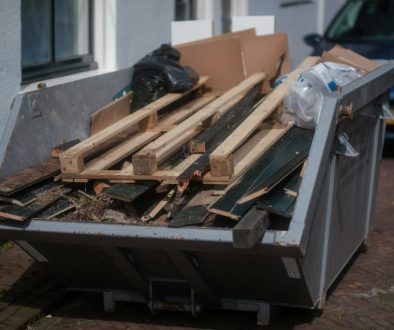
In many cases, a slightly larger skip from the start would have cost less than paying for an extra container and the delays that come with it. A simple way to judge it is to go room by room or area by area and ask: if I put all of this in a big pile, how big would that pile be? Local specialists can then match that rough volume to a suitable skip size.
Overpaying for unused space
The opposite problem also happens a lot. Someone will order a large builders skip for a modest declutter, then only fill half of it. You end up paying for empty air.
A better approach is to:
- Be honest about how much you are really throwing away
- Separate out items that might be reused or donated
- Talk through the job with a local skip hire team before you book
That way you still have a bit of room to spare, but you are not overspecifying the container for the sake of it.
Ignoring access and placement
Size is not just about capacity, it is also about where the skip can go. Around Cheshire there are plenty of narrow lanes, tight driveways and shared parking areas. A skip that is technically big enough might be a poor choice if:
- The lorry cannot safely reach your drive
- There is no turning space on the road
- Low trees or walls make placement awkward
If the driver arrives and cannot deliver, you may face rearranged deliveries, extra call-out charges, or be stuck without a skip when your project is already under way. A quick chat about access, with rough measurements if needed, can prevent most of these issues.
Forgetting Permits, Access and Neighbours
Another common set of mistakes comes from what happens outside your own gate: the road, public land and the people living nearby.
Overlooking council permits
If your skip sits on a private drive or yard, you usually will not need a permit. But if it has to go on the road or other public land, a permit from the council is normally required.
Skipping this step can lead to:
- Fines or enforcement action
- Being told to move the skip at short notice
- Paying for a skip that cannot be used until the paperwork is sorted
A reputable local skip hire company can explain when a permit is needed, how long it usually takes, and what information is required, which is especially helpful in busier spring and summer periods when councils can be slower.
Poor access planning
Even when no permit is needed, access can still cause problems. Common issues include:
- Cars blocking the drive when the lorry arrives
- Gates that are too narrow to swing fully open
- Low branches or overhead wires in the way
- Tight cul-de-sacs where turning is difficult
If the driver cannot safely deliver or collect, this may lead to failed trips, extra charges and wasted labour on site while everyone waits. A five minute access check before booking, including moving vehicles and trimming obvious obstacles, can make delivery and collection simple.
Upsetting neighbours and the community
Skips can bring noise and disruption, especially when more people have windows open or are sitting in their gardens. To keep the peace and avoid complaints that could slow things down:
- Let neighbours know when the skip is arriving
- Choose a spot that keeps pavements and driveways clear
- Avoid very early or very late loading where possible
- Keep rubbish inside the skip, not piled around it
A bit of courtesy goes a long way in keeping your project running without arguments or unwanted attention.
Putting the Wrong Waste in Your Skip
What you put in the skip matters just as much as where you put the skip itself. Mixing in the wrong items can quickly add to costs.
Mixing general waste with hazardous materials
Standard skips are for general, non-hazardous waste. Some items need special handling, for example:
- Asbestos
- Fridges and freezers
- Tyres
- TVs and computer monitors
- Gas bottles
- Solvents and oils
- Plasterboard
- Certain electrical items
Putting these in a normal skip can lead to extra handling fees, separate disposal charges or even the need for an extra collection to remove them safely. Using suitable hazardous waste services from the start is almost always cheaper and safer than trying to fix things later.
Overloading with heavy or unsuitable materials
Soil, rubble, concrete, bricks and tiles are very dense, so weight limits can be reached long before the skip looks full. If a skip is too heavy to lift safely, the driver may have to refuse collection.
That can mean:
- Surcharges for overweight loads
- Time spent unloading part of the skip by hand
- Delays while another solution is arranged
If you know you will have a lot of muck or hardcore, it is worth talking this through with your local provider. They can advise on the right container, or whether grab hire might be a better fit for large volumes of heavy material.
Ignoring recycling opportunities
Separating certain waste streams can help keep disposal costs under control and support better recycling. For example:
- Green waste like branches and grass
- Metals
- Clean bricks, stone and concrete
Some sites can accept these more easily if they are kept cleaner and separate. By following simple guidance from your skip hire team, you can keep your project greener and avoid paying for mixed waste that is harder to process.
Poor Timing, Overlong Hire and Last Minute Bookings
Even with the right size and waste type, poor timing can push costs up and cause stress.
Booking too late in peak seasons
As the weather improves, demand for local skip hire grows. If you leave booking until the week you want to start work, you may find:
- Your ideal size is not available
- You have to take a skip that is not quite right
- You end up with shorter, back to back hires instead of one smooth period
Booking earlier gives you more choice and helps you lock in sizes and dates that match your schedule, especially around bank holidays and periods when several trades are working on site.
Keeping the skip longer than needed
Projects sometimes drift, and when that happens, the skip often sits half full for days. Longer hire periods can bring extra charges, and a skip left on site can also get filled with other people’s rubbish if it is easily accessible.
To avoid this, try to:
- Set a clear start and finish date for the messy work
- Line up trades so that the main waste producing tasks are close together
- Talk to your provider about flexible collection options if dates might move
This keeps your skip working hard for you, not becoming an expensive parking spot for rubbish.
Failing to coordinate collections and site activity
Timing collections badly causes its own problems. If the skip is full but the collection is days away, it might block driveways, parking or material deliveries. If it is taken too early, there may still be waste to clear.
Simple planning helps, such as:
- Booking collection around key stages of the project
- Leaving a small amount of space for final tidy-ups
- Letting the skip hire team know if work speeds up or slows down
Good communication keeps everyone on the same page and avoids scrambling for last-minute solutions.
Save on Your Next Project With Smarter Local Skip Hire
Most of the common cost traps with local skip hire come down to a small list of avoidable mistakes: picking the wrong size, forgetting about permits, putting the wrong waste in the skip, misjudging access and leaving booking to the last minute. Each of these can be prevented with a bit of thought and clear communication before the lorry even leaves the yard.
A simple checklist before you book can help:
- Define the project and its main tasks
- Estimate how much waste each area will create
- Check where the skip will go and measure tight spots
- Confirm what materials you will be disposing of
- Agree likely delivery and collection dates
By doing this, and by speaking directly to a local skip hire specialist for advice, you can keep your project tidy, compliant and more cost effective. Enviro Skip Hire supports customers across Cheshire with skips, grab hire, aggregates, recycling and hazardous waste services, so every stage of your job, from garden clear-outs to full refurbishments, has the right waste solution in place.
Get Started With Your Project Today
Whether you are clearing a house, renovating a property or managing a construction site, Enviro Skip Hire is ready to help you handle waste quickly and responsibly. Choose our reliable local skip hire service to get the right size skip delivered where and when you need it. We take care of the collection and disposal so you can stay focused on the job at hand. Reach out to our team today to book your skip and keep your project running smoothly.