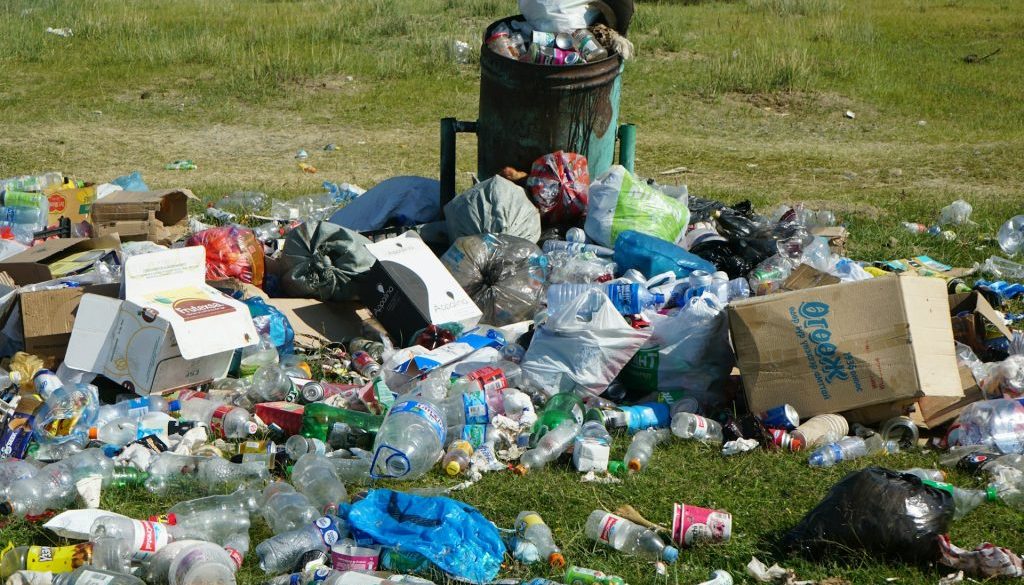
When waste turns out to be hazardous, it stops being a simple “clear it and carry on” job. It affects people’s health, can shut down part of a site and can land the owner with legal and clean-up trouble if it is handled in the wrong way. That is why knowing when to call for professional hazardous waste cleaning is so important for both homes and businesses.
In this article, we look at how to spot hazardous waste, why it is different from normal rubbish, what the law expects from you and how professional support helps keep people, property and the environment safe.
Protecting People and Premises From Hidden Hazards
A business owner walks into a yard to find a pile of dumped rubbish blocking a gate. A landlord opens an old outbuilding that has not been checked for years. A small spill appears in a workshop after a container splits. At first glance it looks like normal waste, but hidden in the mess are old chemicals, stained soil and damaged electrical items.
Hazardous waste is any waste that can harm people or the environment. In everyday terms this can include:
- Chemicals and solvents
- Oils and fuel, including oil-soaked rags and soils
- Asbestos-containing materials
- Sharps, medical or clinical waste
- Some electricals, batteries and fluorescent tubes
The risks are real. Hazardous waste can cause breathing problems, skin burns and long-term health issues. It can soak into floors, soil and drains. Some materials can catch fire or explode if they are not stored and moved correctly. On top of this, mishandling hazardous waste can lead to serious legal issues for the person in control of the land.
Professional hazardous waste cleaning brings in trained people, safe equipment and the right systems so that the area can be made safe quickly. That helps protect staff, customers, neighbours and anyone else on site, while cutting disruption so work can get back to normal.
Recognising When Waste Becomes Truly Hazardous
Hazardous waste often appears during jobs that feel routine. Common situations include:
- DIY and renovation projects when hidden materials are disturbed
- Garage, shed, farm and yard clear-outs
- Commercial refits and strip-outs
- Flooding or leaks that spread contamination
- Fly-tipped waste left on private land
There are some clear red flags to watch for:
- Strong chemical or fuel smells that do not fade
- Unlabelled or corroded containers with liquids or powders
- Oil-stained or unusually discoloured ground
- Crumbly, fibrous boards or insulation that could contain asbestos
- Needles, sharps or medical packaging
- Old tins of paint, pesticides, fertilisers or cleaners
Normal skip waste covers everyday construction, household and commercial rubbish, such as bricks, soil, wood, packaging and non-hazardous plastics. Restricted or controlled waste, like chemicals, asbestos, medical waste or oily residues, must not go into a standard skip. These materials need separate handling and treatment, and responsible providers will always give advice before any collection.
As weather warms up, there are often more building works, garden and shed clearances, festivals and events. Heat can increase odours, fumes and the risk of gas build-up, so it is especially important to pause and ask for guidance if anything about the waste seems unusual.
Legal Duties and Penalties You Cannot Ignore
In the UK, anyone who produces, stores or controls waste has a Duty of Care. This includes:
- Correctly describing and classifying waste
- Separating hazardous and non-hazardous waste
- Storing waste safely and securely
- Passing it only to licensed carriers and appropriate treatment facilities
If hazardous waste is misclassified or mixed in with general rubbish, it can lead to:
- Fines and fixed penalties
- Clean-up notices from local authorities or the Environment Agency
- Prosecution for serious or repeat offences
- Damage to business reputation with customers and neighbours
Professional waste specialists deal with the paperwork that comes with hazardous waste, such as consignment notes and records of where the waste is taken for treatment or disposal. This creates a clear audit trail and removes much of the admin burden from the property owner or manager.
It is also important to know that if someone fly-tips on your land, you might still be responsible for getting it removed safely. That makes quick, compliant hazardous waste cleaning even more important.
Why Professional Hazardous Waste Cleaning Matters
Professional hazardous waste cleaning is about much more than simply loading a lorry. A typical service will include:
- A site survey and risk assessment
- Identification and proper classification of all waste types
- Safe containment and packaging of hazardous materials
- Segregated removal using the right vehicles and containers
Specialist teams use protective clothing, respirators, spill kits and sealed containers. Vehicles are designed to carry hazardous loads securely, and there are strict rules on how material is loaded, transported and unloaded. Trying to handle these materials as a DIY task is not only unsafe, it is often against the rules that govern hazardous waste.
Using experienced waste professionals supports the local environment. Hazardous fractions are picked out and sent for suitable treatment, while clean materials can be recovered or recycled rather than sent to landfill. For areas like Cheshire, that helps protect local land, watercourses and communities.
Working with a local Sandbach-based provider also has practical benefits. Response times are usually quicker, especially when a site needs urgent attention. Advice can be tailored to local conditions, and domestic and commercial clients can get support that fits the scale of their site.
Safe Site Clearances with Skips, Grabs and Aggregates
Hazardous waste cleaning rarely stands alone. It often sits within a wider site clearance plan that uses different tools for different materials.
For example, a typical project might combine:
- Grab hire to remove bulky soil, rubble and mixed waste
- Skip hire for sorted general and construction waste
- Specialist containers for hazardous items that have been identified on site
Early summer often brings construction and landscaping work, farm and yard upgrades, school and college refurbishments and commercial fit-outs across Cheshire. These projects can uncover old tanks, historic spills, asbestos sheets, buried drums or forgotten stores of paints and chemicals.
A joined-up approach helps. Hazardous waste can be isolated and dealt with first, allowing the rest of the site clearance to continue safely. Clean waste stays clean, which makes it easier to recycle. Once a site has been made safe and cleared, recycled aggregates can be brought in to support new building or landscaping, closing the loop between waste removal and new materials.
Handled in this way, hazardous waste cleaning becomes part of a cost-effective plan. It helps to:
- Stop contamination of recyclable waste streams
- Reduce the number of transport runs by planning loads sensibly
- Avoid expensive clean-up work later by getting the risky elements sorted from the start
Take Action Early to Keep Your Site Safe and Compliant
Before any new project or event, it is worth walking around your property with a fresh pair of eyes. Old sheds, outbuildings, storage corners and unused rooms often hide ageing paints, oils, pesticides or other unknown containers. Disturbing these without a plan can quickly turn a simple tidy-up into a hazardous situation.
If you are unsure about any material, do not move it or break it up. Instead, get clear guidance from waste professionals who understand hazardous waste cleaning and can advise on the safest way forward. Photos, site notes and a brief description of the area can be enough for an initial assessment, so the right support can be arranged before work begins.
By acting early, you protect the people who live or work on your site, avoid legal and clean-up problems and keep recycling rates high. With a trusted Cheshire-based partner handling hazardous materials properly, you can focus on the job in hand, confident that your site is safe, compliant and ready for whatever comes next.
Protect Your Site With Professional Hazardous Waste Support Today
If you are dealing with asbestos, chemicals or other high‑risk materials, we can manage the entire process safely and in full compliance. At Enviro Skip Hire, our trained team handles collection, transport and disposal so you do not have to worry about legal or environmental risks. Explore our hazardous waste cleaning service to get tailored support for your project. Get in touch today and we will provide clear guidance, transparent pricing and a schedule that fits your timeframe.