What Smarter Hazardous Waste Collections Mean for Cheshire Firms
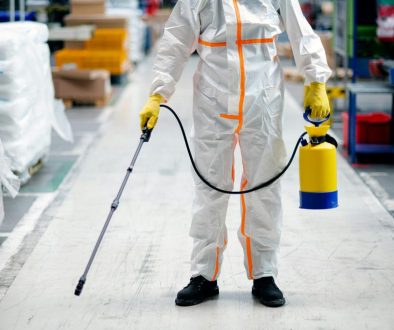
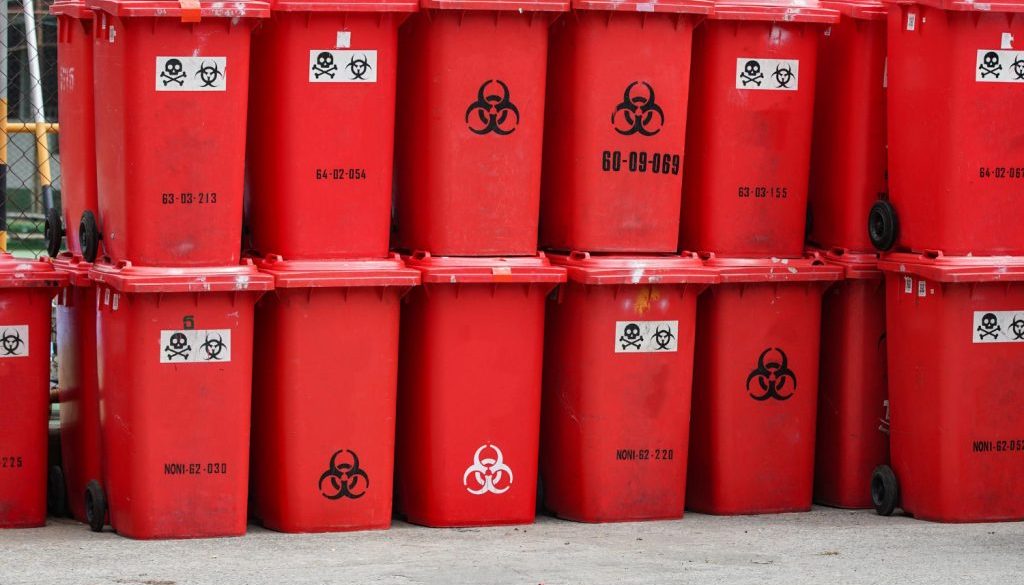
Hazardous waste collections are not just a box to tick for Cheshire businesses. They sit right at the point where staff safety, customer trust, and environmental care all meet. When waste that can harm people or nature is handled well, daily work feels calmer, sites are safer and the risk of trouble from regulators drops.
Across Cheshire, rules on waste are tightening, disposal options keep changing and people pay more attention to what comes out of workshops, kitchens, labs and yards. Poor handling of hazardous waste can affect local rivers and streams, nearby homes and farmland. Done properly, collections help protect our shared environment and keep your business on the right side of the law.
Smarter hazardous waste collections can bring real business benefits, such as:
- Lower risk of legal action or enforcement
- A safer workplace for staff and visitors
- Stronger ESG reporting and tender responses
- Fewer last-minute panics when skips are full or storage is overflowing
We work with domestic and commercial customers across Cheshire, and we understand how different sectors such as manufacturing, engineering, hospitality and healthcare all create their own tricky waste streams. That local knowledge shapes how we think about hazardous waste collections and why they matter for you.
Are Your Everyday Materials Legally Classed as Hazardous?
Many businesses hear the phrase hazardous waste and think of barrels of toxic chemicals. In UK law, hazardous waste is simply any waste that can cause harm to human health or the environment. It might be flammable, corrosive, toxic or harmful to plants and animals.
For Cheshire firms, this often includes very everyday items, such as:
- Solvents, paints, varnishes, thinners and resins from workshops and manufacturing
- Cleaning products and disinfectants from hotels, restaurants and care homes
- Fluorescent tubes, batteries, TVs, computers and other WEEE
- Oily rags, spill pads and absorbents from garages, depots and machinery repair
Seasonal work can add to the mix. Summer refurbishments and decorating bring more paints, adhesives and aerosols. Busy tourism, events and festivals often mean extra fuels, generators, temporary lighting and electrical kit that later turn into waste. Many of these items may fall under hazardous rules once discarded.
A simple materials audit is a good starting point. Walk through your site and note:
- Where waste comes from, for example workshop benches, kitchens, maintenance stores
- How each type of waste is stored, and whether lids, trays or bunds are used
- What product labels and Safety Data Sheets say about flammability, corrosivity or toxicity
This quick review often shows that more of your everyday waste is legally hazardous than you first thought.
Compliance Gaps That Put Cheshire Businesses at Risk
UK hazardous waste rules place clear duties on anyone who produces waste. You have a duty of care to store, label and pass on waste safely. This includes correct segregation, safe containers, limited storage times and accurate documentation such as waste transfer notes and consignment notes.
Common gaps that catch businesses out include:
- Mixing hazardous and general waste in the same skip or bin
- Using carriers that are not properly licensed
- Poor or missing labels on drums, IBCs or bags
- Overflowing or damaged outdoor storage that lets liquids escape
- Paperwork that is incomplete, lost or still based on old habits
These gaps can lead to fines, enforcement notices, damaged reputation and increased insurance pressure. In a worst case, an incident or inspection can halt part of your operation while things are put right.
When trading is busy, for example during summer peaks, it can be tempting to cut corners or delay collections. That is often when problems appear. Structured hazardous waste collections, planned around your busy periods, help keep control so nothing builds up to a risky level.
Choosing a Hazardous Waste Partner You Can Trust
Hazardous waste is not something to hand to the first person with a truck. A good collection partner should be able to show the right licences from the Environment Agency, have properly trained drivers and provide clear, traceable paperwork for every collection.
Key things to check include:
- Current waste carrier registration and site permits
- ADR trained drivers where required
- Clear, legible consignment notes and transfer notes
- The ability to manage different hazardous streams such as oils, chemicals, WEEE or contaminated soils
Local knowledge also makes a real difference. Understanding Cheshire council requirements, traffic patterns and local industrial areas such as Crewe, Macclesfield, Northwich and Winsford helps keep collections reliable and on time, without getting in the way of your work.
A dependable service should be able to offer both regular and one-off hazardous waste collections, supply safe containers, advise on labelling and explain where your waste goes for treatment, recycling or disposal. Because we also provide skip hire, aggregates and wider recycling services, we can help businesses bring more of their waste management together under one simple and compliant plan.
Streamlining Storage and Collections on Your Site
Good collections start with good storage. Hazardous waste should always be stored in containers that are suitable for the type of material inside. Liquids often need bunded areas or trays to catch leaks. Outdoor areas benefit from covers or shelters so rainwater cannot fill or overflow containers.
Simple steps that help keep your site safer include:
- Keeping hazardous and non hazardous waste clearly separated
- Using secure lids and taps for drums and tanks
- Setting up bunds or trays for oils, fuels and chemicals
- Keeping incompatible materials away from each other
Clear signs and basic staff training are just as important. Temporary summer staff, contractors and new starters need to know which containers to use, how to label them and what to do if a spill happens. Short toolbox talks and simple wall charts go a long way.
It also helps to match your hazardous waste collections to your business cycle. For example:
- After maintenance shutdowns or end of project dates
- Following events, seasonal peaks or refurbishments
- On set monthly or quarterly schedules for known waste streams
We can visit your site, look at how you work and suggest suitable container sizes, storage spots and collection frequencies. We can also plan routes and timings that fit around your busiest production or trading hours, so collections feel like part of your routine rather than a disruption.
Take Control of Hazardous Waste Before the Next Peak Season
Hazardous waste management works best when it is planned, not rushed. Moving from a reactive clear-out approach to a simple, steady system reduces stress and risk, especially before summer and early autumn peaks.
A basic action checklist for Cheshire businesses might be:
- Identify which of your materials and wastes are hazardous
- Review how these wastes are stored, labelled and segregated
- Check that your current carriers and receiving sites are properly licensed
- Make sure your paperwork is complete and easy to find
- Arrange a discussion with a local specialist to review your set-up
Enviro Skip Hire is a Cheshire-based waste management company that works with both domestic and commercial customers. By looking carefully at hazardous waste collections alongside general waste, skips, aggregates and recycling, we help businesses cut risk, support the local environment and keep day-to-day operations running smoothly.
Protect Your Site With Compliant Hazardous Waste Management
If you need reliable handling of paints, solvents, asbestos or other risky materials, we can manage the whole process safely and in line with UK regulations. At Enviro Skip Hire, our licensed team will assess your requirements, provide suitable containers and arrange secure hazardous waste collections that fit your schedule. Get in touch today so we can help you keep your project, staff and the environment properly protected.