When you are planning a project, choosing between grab lorry hire and skip hire can make a big difference to how smoothly the work goes. The right choice helps keep your site tidy, controls waste costs, and avoids access headaches, especially when work is happening at pace in good weather.
In this guide, we break down how each option works, how they compare for cost, access and load size, and which waste types suit each method. Whether you are clearing a garden, refitting a kitchen, or running a busy building site in Cheshire, this will help you pick the best way to move waste off-site.
Cut Waste Costs by Choosing the Right Collection Method
On one side you have a homeowner tackling a big summer garden clearance. On the other you have a contractor dealing with heavy spoil from a driveway dig-out. Both need rubbish gone, but each can lose money if they choose the wrong service, either by hiring skips they never fill or booking a grab lorry for small, light loads.
Warmer months often mean more DIY, refurbishments, landscaping and construction. That also means more waste to shift and more chances to overpay if the collection method does not match the type and amount of material.
This guide is useful for homeowners planning garden projects or clear-outs, landlords handling refurbishments between lets, small builders and trades working on extensions or refits, landscapers shifting soil, turf and green waste, and commercial site managers needing regular muck-away.
We focus on practical points, so you can match real jobs to the right service and keep your project moving.
How Grab Lorry Hire Works Compared with Skips
Grab lorry hire is a simple idea. A large lorry arrives with a hydraulic arm and grab bucket. The operator uses the arm to pick up heaps of waste and load them into the lorry body. This can be from piles at the kerb or on the drive, over low walls, fences or hedges, or from hard-to-reach spots where a skip cannot sit.
Grab lorries are ideal where you have heavy soil, clay and hardcore from groundworks, large volumes of one main waste type, and waste that is already in a pile ready to go.
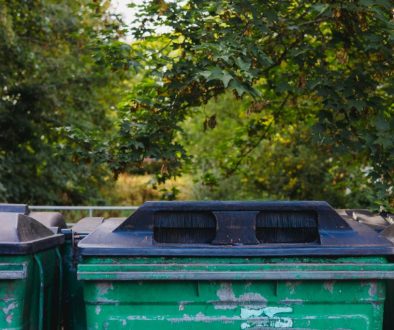
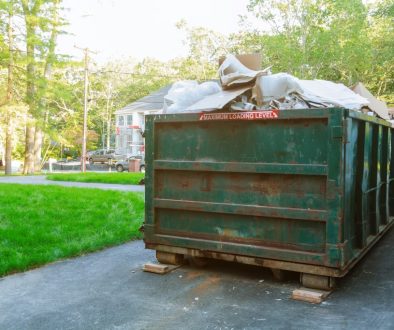
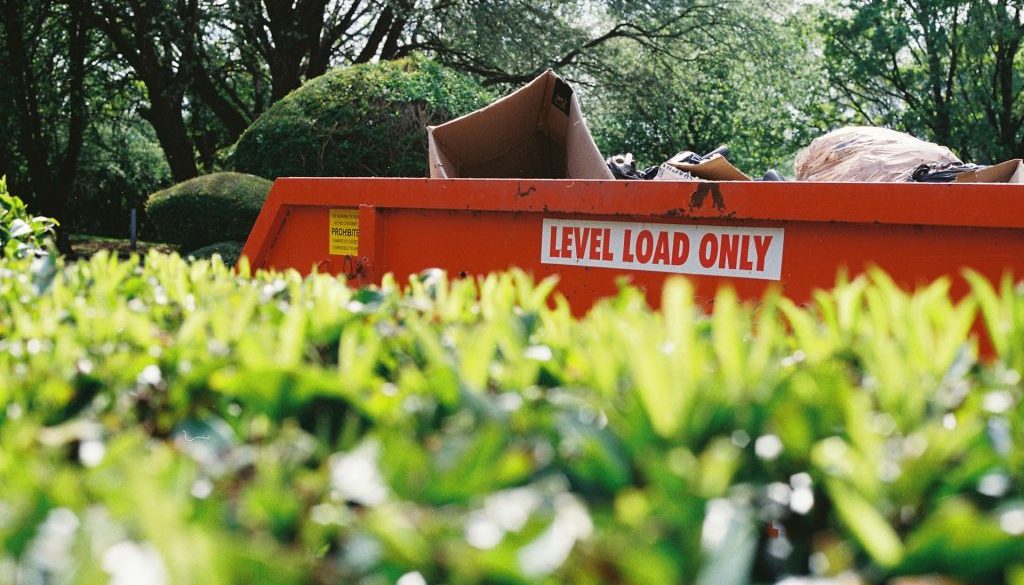
Skip hire works differently. A skip wagon delivers a metal container, drops it on a safe, flat surface, and leaves it with you for a set period. You then load the skip at your own pace before it is collected.
Key skip points include:
- A choice of sizes to suit different projects
- Placement on a drive or private land where possible
- The need for a council permit if a skip sits on the road, which takes planning
- The option to keep it on site for several days if you are generating waste slowly
The service experience is different. With a grab lorry, you usually have a single quick visit, then the site is clear. With a skip, you keep the container while you work, but you also handle the lifting. A grab lorry crew does the loading, which can save time and physical effort, especially with dense materials.
Cost Breakdowns for Common Summer Projects
Many factors influence what you end up paying for waste removal. With both grab lorry hire and skip hire, typical considerations include:
- Distance from the depot to your site in Cheshire
- Type of waste such as soil, mixed builders waste or green waste
- Total volume and how many trips or containers you need
- Whether a skip must sit on the road, which may mean permit costs
- Time on site, including delays caused by access or poor waste separation
For a large garden landscaping job in summer, with tonnes of soil, turf and green waste coming out quickly, grab lorry hire often makes sense. One visit can remove big piles in a short window. This can be more efficient than ordering several skips, waiting for each to arrive and be collected, and working around full containers that take up the drive.
For a small kitchen or bathroom refit, the waste tends to be lighter and mixed, with units, tiles, packaging and fittings coming out as work goes on. Here, a mid-size skip can be a better fit, especially if access is tight for a large lorry, you want somewhere to put waste safely over a week or two, and the volume would not fill a grab lorry in one go.
It is also worth thinking about hidden costs:
- Empty space in a skip you never fill
- Overfilling that leads to extra charges or a second container
- Hiring extra labour to carry waste long distances to a skip
- Extra trips because soil, hardcore and general waste were mixed together
Good planning, and choosing the right method from the start, helps avoid these problems.
Access and Space Limitations on Cheshire Properties
Property layouts around Cheshire can be quite mixed. You might have terraced homes with narrow fronts and very little off-road space, shared driveways where neighbours need clear access, rural homes down long tracks with limited turning circles, or active building sites with plant, materials and scaffolding in the way.
Grab lorry hire can be the best option when waste is stored at the front or can be moved to a single accessible pile, when material is at the rear but reachable over a hedge or low fence, and when you want to avoid putting a skip on a tight road where parking is already tricky.
The lorry needs enough space to park safely and extend the grab. Overhead cables, low trees or very tight corners can restrict what is possible, so access checks matter.
Skips have different needs. The vehicle must be able to reach the placement spot and set the container down on stable, mostly level ground. If there is no room on the property, you might need to place the skip on the road, which can mean:
- Getting a permit from the council
- Following rules on lights and markings
- Working around neighbours’ cars and limited street space
In busy residential streets, especially in summer when more people are home and parking, thinking through where a skip will sit can save stress.
Matching Waste Types and Load Sizes to the Right Option
Not all waste is equal. Some is very heavy but compact, some is light but bulky. Common waste streams include:
- Inert waste like soil, clay, hardcore and sub-base
- Green waste such as turf, hedge cuttings, branches and plants
- General builders waste like timber, plasterboard and packaging
- Bulky household items from clear-outs
Grab lorry hire is usually well suited to heavy soil from driveway dig-outs, foundations and landscaping, large quantities of rubble and hardcore from demolition or groundworks, and big single-day clearances where many tonnes of material are ready to go at once.
A skip tends to work better when you are running a staggered refurb over a few weeks and waste builds up slowly, when you are decluttering a home and have mixed, lighter household waste, and when you need a safe container to hold ongoing builders waste between collections.
Thinking first about the main waste type and how quickly it will be produced makes the grab lorry versus skip choice much clearer.
Choosing Enviro Skip Hire for Your Next Project
When you are weighing up grab lorry hire against skip hire, it helps to ask a few simple questions:
- How big is the project overall?
- Do you want waste gone in one hit, or over several days or weeks?
- Is there clear space for a skip on private land?
- Can a large lorry get close enough and safely use its grab?
- Is most of the waste heavy soils and hardcore, or mixed lighter materials?
At Enviro Skip Hire we work across Cheshire providing local skip hire, grab hire, aggregates and recycling services for both domestic and commercial jobs. We can talk through your project details, look at access, consider the type of waste, and guide you towards the service that gives you a smooth, compliant and efficient way to keep your site clear.
Get Started With Your Project Today
If you are looking for fast, reliable waste removal, Enviro Skip Hire is ready to help you keep your project moving. Our professional grab lorry hire service makes clearing soil, rubble and bulky waste straightforward and efficient. Tell us what you need collected and when, and we will arrange a convenient time that fits your schedule. Get in touch today so we can help you keep your site clear, safe and compliant.