Hidden Risks Lurking in Cheshire Workspaces
Hazardous waste cleaning sounds like something for factories or chemical plants, but it is often an everyday issue in normal workspaces across Cheshire. Offices, warehouses, shops, and construction sites can look tidy on the surface while still hiding materials that are risky to people and the environment. The problem is that many of these items are part of daily work, so they do not feel dangerous at all.
Think about what sits in cupboards, drawers and storerooms. There might be solvent-based cleaners, half-used paint tins, oily rags, printer toner cartridges, aerosols, batteries and old electronic equipment. On busy sites there may also be contaminated PPE, fuel residues and concrete washout. Over time, these build up quietly in corners, under sinks or in bins that are not meant for hazardous waste.
This is where we need to rethink what “cleaning” really means. Hazardous waste cleaning is not just a deeper version of normal office cleaning. It is a planned process that spots risky materials, handles them properly and gets them off-site through safe, legal routes. Done well, it helps protect your team, your building and the local environment.
What Really Counts as Hazardous Waste at Work
Many businesses are unsure what actually counts as hazardous. It is not just the obvious drums of chemicals. Common workplace items can fall into this category, including:
- Cleaning agents and disinfectants
- Paints, varnishes and adhesives
- Oils, fuels and oily rags
- Aerosols, printer cartridges and batteries
- WEEE (waste electrical and electronic equipment) like old PCs and monitors
There are also higher-risk materials, such as:
- Fluorescent tubes and some other lamps
- Asbestos-containing materials in older buildings
- Some clinical or sanitary wastes
- Contaminated packaging or spill clean-up materials
A substance can be classed as hazardous if it is flammable, corrosive, toxic, harmful to health, cancer-causing or dangerous for the environment. UK rules on hazardous waste, COSHH and Duty of Care all expect businesses to understand what they are producing and to deal with it correctly.
Guesswork is where trouble starts. Mixing hazardous items into general waste might feel easier in the moment, but it can lead to:
- Fines or enforcement action if regulators become involved
- Higher costs later if loads are rejected at disposal sites
- Contaminated recyclables that then have to be treated as hazardous
- Business disruption if there is a fire, spill or pollution incident
A simple checklist of your workplace materials, reviewed with a competent waste partner, can cut a lot of this risk.
Why Hazardous Waste Cleaning Is Not a DIY Job
It is tempting to treat hazardous waste like any other mess: get the mop, grab a bin-bag and sort it out quickly. The problem is that normal cleaning routines are not designed for hazardous substances. There is a big difference between wiping desks and managing waste that needs secure handling and specialist routes off-site.
Compliant hazardous waste cleaning usually includes:
- A basic risk assessment of what is present and where it is stored
- Segregation of different waste types so they do not react with each other
- Use of clearly labelled, suitable containers
- Proper paperwork for transfer and disposal using licensed routes
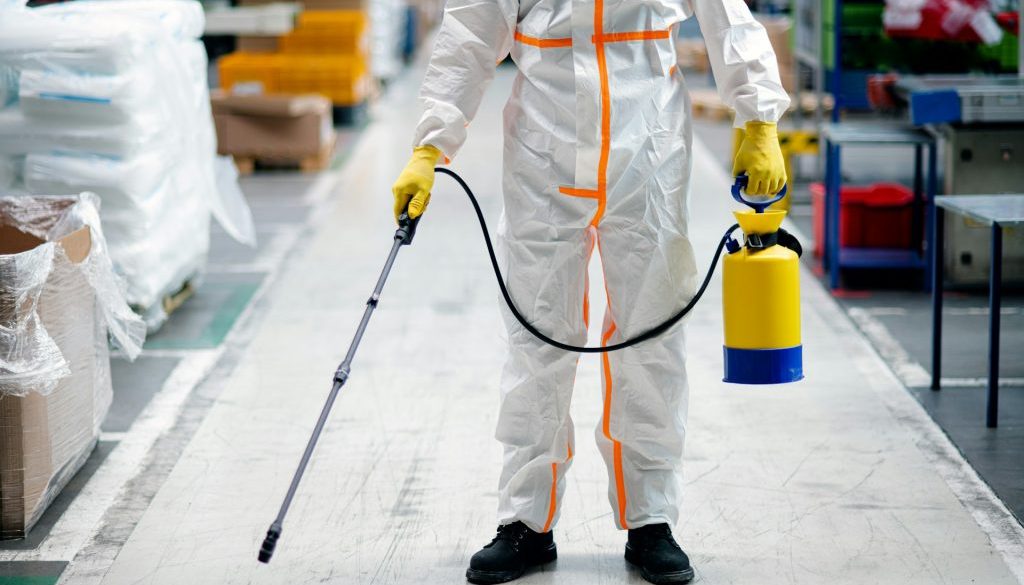
Trained operatives use the right PPE and equipment, especially when dealing with spills, unknown materials, asbestos-containing items or contaminated soils. They know what can be safely collected in skips, what needs sealed containers and what must go to specific treatment facilities.
When businesses improvise, several things can go wrong. Mixing chemicals in general bins can lead to fumes or reactions. Flammable items can increase the chance of a fire in a yard or store area. Staff might be exposed to harmful vapours or dust. Leaks from incorrectly stored liquids can pollute drains or soil, which then brings attention from regulators and possibly emergency services. Proper hazardous waste cleaning reduces these risks instead of simply moving them somewhere else on-site.
Legal Duties and Local Consequences for Cheshire Firms
Every business that produces waste has legal duties, no matter its size. For hazardous waste, these duties are even tighter. Owners and managers are expected to:
- Classify their waste correctly
- Store hazardous materials safely and securely
- Keep consignment notes and other records for movements
- Use licensed carriers, sites and routes for disposal or recovery
These are not just box-ticking rules. In Cheshire, poor handling can affect local rivers, canals, ponds and wildlife. A small spill in a yard that reaches a surface-water drain can spread far beyond the boundary fence. Smoke from a bin fire can drift across nearby homes, schools or other workplaces, damaging trust in the business.
Inspections and investigations are more likely after serious incidents or where neighbours complain about smoke, smells or spillages. Having a clear, documented hazardous waste cleaning process, supported by a competent waste partner, shows that your business takes these duties seriously. It also means you are more likely to spot problems early, before they turn into something bigger.
Seasonal Hazards When Autumn and Winter Arrive
As the weather turns cooler and wetter, the pattern of risk in workplaces shifts. More work moves indoors, which can mean extra cleaning chemicals, temporary heaters and de-icing products being stored and used more often. Packaging waste can also increase in busy trading periods, and not all of it is non-hazardous.
Cheshire’s autumn and winter weather bring more rain, damp and temperature changes that can cause:
- Leaks into stores and yards where chemicals are kept
- Corrosion of old containers, leading to drips or slow leaks
- Reduced ventilation when windows and doors stay shut
- Poor visibility in darker mornings and evenings that hides spills
Simple seasonal routines help keep control. For example, it is sensible to:
- Carry out a storage check before winter to spot weak or damaged containers
- Make sure spill kits, absorbents and PPE are present and in good condition
- Review the routes used to move hazardous waste, keeping them away from busy walkways
- Plan regular hazardous waste cleaning before peak busy periods, so stores do not become overloaded
These checks are not a replacement for professional support, but they do make it easier for a licensed specialist to manage your hazardous materials safely when they arrive on-site.
How Enviro Skip Hire Makes Hazardous Waste Safer to Handle
At Enviro Skip Hire, we work with domestic and commercial customers across Cheshire and surrounding areas, helping them deal with a wide mix of waste streams safely and responsibly. Hazardous waste is often part of a wider picture that also includes general waste, recyclables and construction materials, so it makes sense to manage them together rather than as separate problems.
We can help by:
- Advising on suitable skip sizes and types for different waste streams
- Providing grab hire where contaminated soils or heavier materials are involved
- Supporting you with segregation, so hazardous items do not end up mixed into other waste
- Arranging compliant collections and documentation so your Duty of Care is clear
Recycling is a core part of what we do, and we work hard to recycle up to 99% of the waste we collect wherever this is possible. That includes separating materials that can be recovered and keeping hazardous items away from landfill when there are safer options. For businesses focused on ESG or CSR goals, safe hazardous waste cleaning and responsible disposal are an important part of a wider environmental story.
Taking hazardous waste seriously in your Cheshire workspace is not just about avoiding trouble. It is about creating safer conditions for your team, protecting local communities and caring for the places where we all live and work.
Protect Your Site With Professional Hazardous Waste Support
If you are dealing with asbestos, chemicals or other dangerous materials, we can help you manage them safely and legally. At Enviro Skip Hire, our trained team provides reliable collection, transport and disposal tailored to your project. Find out how our hazardous waste cleaning service can reduce risk, save time and keep you compliant. Get in touch today to discuss your requirements and arrange a convenient collection.