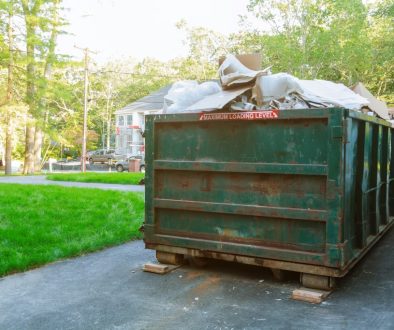
Sorting out garden rubbish before autumn sets in feels good. You get your outside space back, ready for barbecues, kids playing, or just a quiet cup of tea in the fresh air. That is when many people turn straight to rubbish skip hire for a quick fix.
Late summer projects across Cheshire and Staffordshire often include decking refreshes, patio tidy-ups, fence repairs and big end-of-season clear-outs. Green bins fill in a flash, trips to the tip eat into your weekend, and piles of waste creep across the driveway. It is no surprise that a skip on the drive feels like the easy answer.
But is rubbish skip hire always the best move? Sometimes it is perfect, sometimes it is more than you really need. By questioning it a little, and knowing your other options, you can choose a smarter set-up that saves time, cuts stress and helps more of your waste get recycled.
What Counts as Garden Rubbish and What Does Not
The first step is knowing what you actually need to clear. Garden projects can create a mix of materials, and not all of them behave the same once they go in a skip.
Common types of garden waste include:
- Soil and turf from new beds or lawn reshaping
- Hedge cuttings, leaves and branches
- Broken plant pots and trays
- Old garden furniture and rusted tools
- Decking boards and fence panels
- Bricks, slabs and hardcore from paths and patios
A lot of people think of all this as plain green waste, but it is not. There is a difference between soft, compostable materials and heavier or treated items, and that difference affects how quickly a skip fills and how easily waste can be recycled.
As a simple guide, green waste like grass cuttings, leaves and small branches usually goes in a skip without trouble. Soil, turf and hardcore are also fine, but they are heavy and fill a skip quickly. Treated timber from decking and fencing must be handled differently to fresh branches, while plastics, metals and old furniture can often be recycled but might be sorted separately. Some items, like certain paints, chemicals or electricals, are restricted and should be discussed first.
When you take a moment to separate in your mind what you are throwing away, you are already ahead. Correctly spotting your waste stream helps you to:
- Choose the right skip size or a different service
- Keep prohibited items out of the mix
- Support higher recycling rates at local facilities
Rubbish Skip Hire vs Grab Hire for Garden Projects
Rubbish skip hire on the driveway is a familiar sight across local streets. For many summer garden jobs, it still works really well, especially if you want to load at your own pace and keep everything contained in one place.
A standard skip is ideal when:
- You are doing a smaller garden clearance over a few days
- You prefer to load waste bit by bit between other jobs
- You live on a tighter access street that suits a smaller vehicle
- You want a clear space to throw mixed garden rubbish without lots of sorting
Grab hire is a different way to tackle waste. A grab lorry uses a hydraulic arm to scoop up large piles of material from your property, then takes it away in one go. This can be far more efficient when the waste is already in piles and you want a fast turnaround.
Grab hire shines when:
- You have big piles of soil or rubble from landscaping work
- The garden is at the back and a skip would be hard to position
- You want everything gone in a single visit rather than having a skip sit for days
- You are dealing mainly with one type of heavy waste, like muck or hardcore
There are trade-offs to think about:
- Convenience: skips suit slow and steady projects, grabs suit quick clearances
- Time: a grab visit can clear a large pile very fast, then you are done
- Access: skips need safe space to sit level, grabs need room for the lorry and arm
Talking through your plans with a local firm means you do not have to guess. For many gardens across Cheshire and Staffordshire, a mix of a skip for general rubbish and a grab for bulk soil can work really well.
Choosing the Right Skip Size and Placement
If you decide rubbish skip hire fits your project, the next questions are size and placement. Getting these right can make the whole job smoother and prevent issues like running out of space, overloading, or delaying delivery.
Common skip sizes for garden work include:
- Mini skips for small shed clear-outs or light pruning waste
- Midi skips for fence panel changes or moderate garden refreshes
- Builders skips for patio or driveway removal and big overhauls
As a rough match, a small shed or greenhouse clear-out might mean a mini is enough. If you are doing a full fence replacement or getting rid of a lot of old furniture, a midi is often better. For lifting old paving, brickwork or shifting large amounts of soil, a builder’s size makes sense because heavy waste fills volume quickly.
Where the skip sits matters too:
- Driveway placement is usually easiest and avoids permits
- Roadside placement may need council permission, which takes time
- Delivery trucks need clear access, so think about parked cars and narrow lanes
- Block paving may need boards laid first to spread the weight
To get the most from the space:
- Load heavier items first to create a stable base
- Break down bulky waste like furniture and panels
- Keep restricted items out so the load stays clean for recycling
- Plan delivery and collection around the weather so you are not loading in heavy rain
Summer Sustainability: Recycling Your Garden Waste
Many people are now thinking more about where their rubbish goes after it leaves the drive. Garden and landscaping waste has huge potential for recycling when handled properly, and the way you load and separate materials can make a real difference.
A good local provider will sort and separate different waste streams, for example:
- Wood for appropriate processing
- Soil and sub-base materials for recovery
- Metals from old tools and furniture
- Hardcore and rubble that can be crushed and reused as aggregates
When more of your garden waste is recycled, less ends up in landfill, and fewer new raw materials are needed for future building projects. That is a simple win for both your home and the wider area.
You can help the process by:
- Keeping rubble as clean as possible, free from plastic and general rubbish
- Composting suitable green waste at home if you have space
- Grouping similar materials together as you load the skip
- Asking your skip hire company how they handle recycling so you can sort smartly
Plan Your Late-Summer Garden Clear-Out
As the main growing season slows down, late summer is a natural time to reset your garden. That might be clearing tired beds, lifting a worn patio, or finally tackling that corner full of old pots and broken furniture.
Before you book anything, take a slow walk around your outside space and make a list:
- What exactly needs to go, and what can stay or be reused?
- How much heavy material like soil, bricks or concrete is there?
- Is access tight, or could a lorry reach piles of waste directly?
- Do you want to clear everything in one hit or work over a few days?
Once you know the answers, it is much easier to decide whether rubbish skip hire, grab hire, or a mix of both will give you the clean slate you want. With the right choice, your garden can be tidy, safer and ready for whatever you have planned next, from new paths and patios to simple quiet evenings outside.
Get Started With Your Project Today
If you are ready to clear clutter from your home, garden or building site, Enviro Skip Hire can provide the right size container and flexible collection times to suit your schedule. Book your rubbish skip hire today and let us handle the responsible disposal and recycling of your waste. We are here to answer your questions, help you choose the best option and make the whole process straightforward from start to finish.