Rethinking Open Skip Hire for Autumn Garden Projects
Planning a big garden clear-up as the weather cools and the ground softens is a smart move. Heavy digging, lifting old slabs, and reshaping borders all feel a bit easier when it is not scorching hot. For many homeowners, the next thought is simple: book an open skip, throw everything in, job done.
Open skip hire is a very common choice for clearing soil, turf, plants, old fencing and broken patios. It feels straightforward, but it is not always the perfect fit for every project or every street. There are a few practical, environmental and legal points that are worth thinking through before you book.
In this guide, we will look at when open skips work really well, when they can cause headaches, and what other options might suit you better. We will also share how a local waste team can help you plan ahead so your garden project runs smoothly from the first shovel to the final sweep-up.
Weighing up Open Skip Hire for Garden Waste
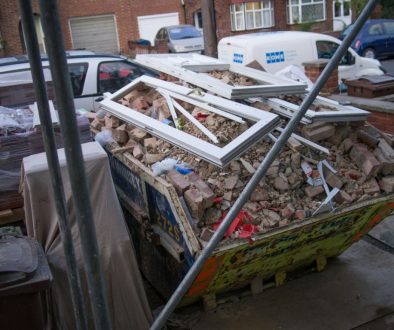
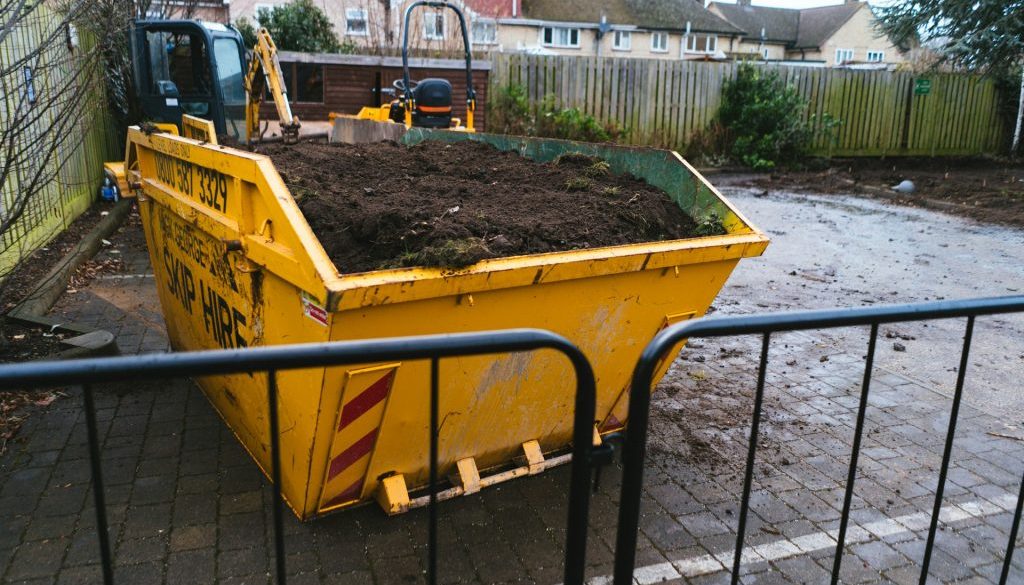
Open skip hire simply means a skip with no lid or sides on top, so you can load it from above. For garden and landscaping work, this usually covers:
- Mini skips for small pruning jobs or light tidy-ups
- Midi or small builders skips for lifting out old turf and beds
- Larger builders skips for full redesigns, new patios and multiple trades on site
There are some clear upsides to using an open skip for garden work:
- Easy to throw in bulky items like fence panels and old decking
- Quick delivery and collection, so waste is taken away in one go
- Many common garden materials can go in together (within waste rules)
- No need to bag every single bit of waste first
But there are limits too, especially in autumn weather:
- Rain can soak soil, turf and green waste, making the skip heavier and harder to fill
- Open sides can tempt neighbours or passers-by to add their own rubbish
- It is very easy to overfill, which can delay collection and may need sorting on site
- Some items must not go in at all, such as certain hazardous materials
This is where clear advice matters. A good local team can run through what you plan to throw away, explain what is allowed in an open skip, and help you pick a size that makes sense. The aim is to avoid paying for space you do not need, or finding you have far too little room once work starts.
Space, Access and Permissions on Your Street
Before you settle on open skip hire, it is worth looking carefully at where the skip will sit. Driveway space and access are a big part of the decision.
Think about:
- Width and height of gates or drive entrances
- Low branches, wires or overhead cables that a lorry must pass under
- Tight bends on narrow Cheshire lanes and estate roads
- Turning space for the delivery truck to place the skip safely
If you cannot get the skip onto private land, it may need to go on the road. In that case, a skip permit from the council is usually needed. Permits can take a little time to arrange and may come with rules about:
- How long the skip can stay in place
- Reflective markings, lights or cones for safety
- Where on the road or pavement it can be placed
Busy autumn streets add another layer. Darker evenings, children walking to and from school and people parking closer together all affect where a skip should go. A poorly sited open skip can block sightlines, narrow pavements or cause tension over parking.
Simple planning steps make a big difference:
- Measure your driveway or intended spot before you book
- Take a few clear photos from the road and from your front door
- Share them with your skip provider so they can advise on size and placement
- Choose delivery and collection times that avoid school runs where possible
Good planning keeps your project moving and keeps you on good terms with neighbours.
Managing Garden Waste Responsibly and Legally
Most garden landscaping jobs produce a mix of materials. Many of these can usually go into an open skip without any problem, such as:
- Soil, clay and turf
- Hardcore, bricks and broken slabs
- Timber, old decking and fence posts
- Non-hazardous green waste like branches, hedge trimmings and plants
Some items need special care and must not go into a standard open skip. Common problem materials include:
- Asbestos from old garage roofs or shed panels
- Old railway sleepers or heavily treated outdoor timber
- Soil that may be contaminated with oil or other substances
- Paint tins, even if they look empty
- Weedkiller and pesticide containers
Mixing these with general garden waste can be unsafe and may break waste rules. This is one reason it helps to make a simple list of what will be coming out of your garden before you book anything.
Once collected, a responsible waste company will sort and separate materials at their facility. The goal is to recycle as much as possible rather than send it to landfill. Keeping soil, hardcore and green waste reasonably clean and free of obvious contaminants helps with this.
For some projects, it is worth asking about more focused options, such as:
- Dedicated inert skips for soil, bricks and rubble
- Green waste only skips for hedge and tree work
These options can support better recycling and, in some cases, work out more efficient than mixing everything in one open skip.
Choosing the Right Skip Type and Size for Your Project
Open skips are not the only choice. Depending on what you are doing and where you live, other options might suit your garden project better.
For example:
- Enclosed skips give more security and reduce rain getting in
- Grab hire can remove large piles of soil and hardcore from a heap by the kerb
- Wait and load services let a lorry arrive, you fill quickly, and it leaves straight away
Each has its place. Open skip hire is often ideal if you are working over a few days and want a central point to throw waste into. But if you have limited space or lots of loose soil and rubble, other approaches might be easier.
Sizing is another big decision. As a rough guide:
- Smaller skips suit shed clear-outs, light pruning and a few fence panels
- Mid-range skips work well for removing an old patio or a section of lawn and beds
- Larger skips are better for full garden redesigns, new hard landscaping and multiple trades
Two common problems are underestimating and overestimating. Going too small can leave you with piles left over and the need for another collection. Going too large can mean paying for air. Thinking about your schedule also helps. If you only have free time at weekends, you may want the skip for longer. If professionals are doing the work, they might fill it in a day or two.
A helpful waste team will look at:
- Your materials list
- How long the work will take
- Your driveway or street layout
From there, they can suggest a practical mix of skip type and size so you avoid delays and keep your project on track.
Plan Your Autumn Garden Clear-up with Confidence
Open skip hire can be a smart part of a garden transformation, but it is not the only answer. The best choice depends on the kind of work you are doing, the space you have, the materials you need to remove and how important recycling and sustainability are to you.
As a Cheshire-based waste management company, we work with local homeowners and landscapers who want their autumn projects to run smoothly. When you plan ahead, think through space and permits, and match the right skip or service to your job, clearing garden waste becomes a lot less stressful and a lot more efficient.
Get Started With Your Project Today
Whether you are planning a home clear-out, renovation or a commercial job, we make it simple to get the right skip in place when you need it. Use our open skip hire service to choose the size that suits your project and arrange convenient delivery and collection. At Enviro Skip Hire, we handle the waste responsibly so you can focus on the work in front of you. If you have any questions or need advice on the best option, just contact us and we will be happy to help.