Keep Your Cheshire Worksite Safe From Hazardous Waste
Hazardous waste on a worksite is not just a nuisance; it can stop a project in its tracks. When materials are stored, moved, or disposed of in the wrong way, you are looking at health risks, legal trouble and serious damage to your company’s name.
Across construction, industrial and commercial sites in Cheshire, there is growing pressure to prove that hazardous waste collections are done properly. Inspectors expect clear systems, tidy storage areas and paperwork that all matches up. If something looks off, it can quickly lead to questions, delays and formal action.
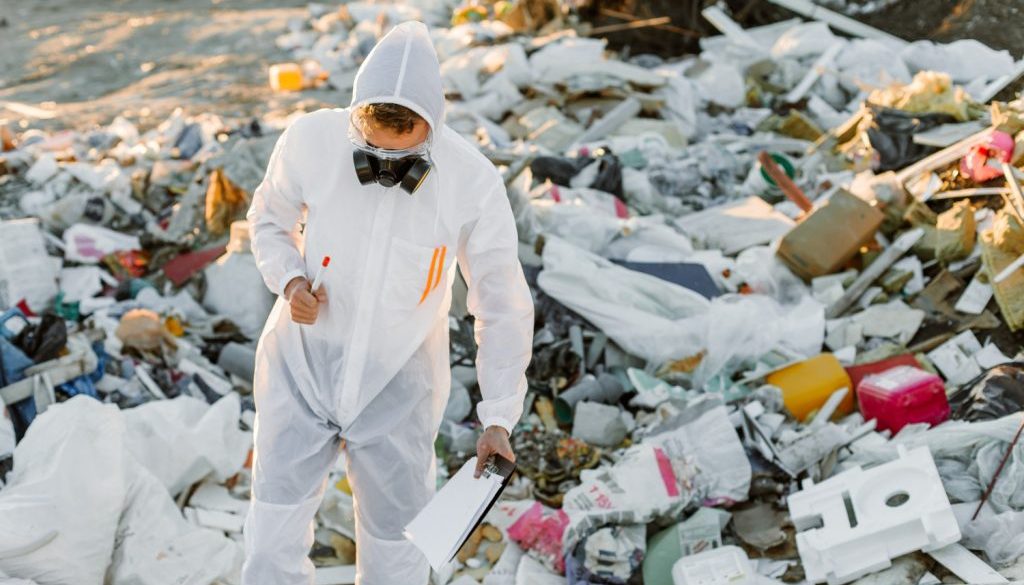
Hazardous waste is anything that could harm people or the environment. On a worksite, that often includes paints, solvents, oily rags, asbestos, contaminated soils, aerosols, batteries, WEEE, and clinical-type waste from first aid or cleaning. It is totally different from general rubbish and must never be tossed in standard skips.
As we move into wetter and darker months, jobs often get tighter on time. Ground conditions are messy, access becomes harder and everyone is under pressure to finish. This is exactly when good hazardous waste handling matters most, because small mistakes are easier to make and harder to spot.
What Counts as Hazardous Waste on Your Site
Many sites in Cheshire hold more hazardous materials than people realise. Common examples include:
- Old lead-based paints and primers
- Adhesives, mastics and sealants
- Solvents, thinners and cleaning chemicals
- Oils, fuel residues and oily filters
- Plasterboard, certain insulation and fire-proofing products
- Asbestos-containing materials from older buildings
- Contaminated PPE and spill clean-up materials
These wastes are a problem because they may be toxic, flammable, corrosive or harmful to the environment. When they are mixed with general waste, you can break waste regulations without meaning to, contaminate otherwise recyclable materials, and increase disposal costs when loads are rejected or re-sorted.
To stay on the safe side, your team should learn how to spot hazardous waste early, because simple habits make a big difference. Read product labels and safety data sheets before use, keep a register of products on site and their hazard symbols, use colour-coded containers and clear signage, and train supervisors to flag anything uncertain for specialist advice.
If a material looks different, smells strong, or comes with warning symbols, treat it as hazardous until a specialist confirms otherwise.
Legal Duties for Hazardous Waste Collections in Cheshire
Anyone producing or handling hazardous waste in the UK has legal duties. If your business operates in Cheshire, you are responsible for how your waste is stored, described, moved and treated, even after it leaves your gate.
Key responsibilities include:
- Duty of Care, making sure waste is handled safely and only passed to authorised people
- Following the waste hierarchy, focusing on prevention, reuse, recycling and recovery before disposal
- Correct classification with the right EWC codes and clear descriptions
- Providing pre-acceptance information so treatment sites know what they are receiving
- Using consignment notes for hazardous collections
Good record-keeping is just as important as good handling. You should keep consignment notes and waste transfer documents, details of carriers and receiving facilities, and evidence of final treatment or recovery routes.
Inspectors often look harder at sites during busy seasons, when they know mistakes are more likely. Poor paperwork or obvious mixing of hazardous and general waste can lead to fines, stop notices, tighter monitoring and problems when you bid for future work.
Choosing a Compliant Hazardous Waste Partner
Because the rules are strict, you need a waste partner who knows what they are doing. Before you book hazardous waste collections, check that your provider has:
- Environment Agency registration as a carrier or broker
- Appropriate licences or permissions for the waste types they handle
- Suitable insurance
- Clear evidence of checked and audited downstream partners
Local knowledge is a big help too. A Cheshire-based partner understands local planning and access constraints, typical traffic patterns and delivery routes, and which nearby facilities can treat or recycle specific waste streams.
A good provider will not just collect single hazardous items. They can help you manage hazardous and non-hazardous waste side by side, arranging skip hire for general waste, grab hire for muck and hardcore, and aggregates deliveries on the same or linked runs. This can reduce vehicle movements and cut disruption around your worksite.
Safe Handling, Storage and Seasonal Site Controls
Once hazardous waste is on site, how you store it matters as much as how you get it collected. Some best practices include:
- Separate, clearly labelled containers for different hazardous wastes
- Drip trays and bunded storage for liquids
- Keeping hazardous waste away from general skips and aggregates
- Locked or controlled access so only trained staff can enter storage areas
When the weather turns wet and cold, you need extra controls. In autumn and winter, focus on:
- Keeping lids secure and containers covered so rain cannot fill or overflow them
- Stopping run-off from reaching drains, gullies or bare ground
- Providing safe, well-lit access routes around storage areas
- Checking ground conditions so containers stay stable and cannot tip
People are part of the system too. Your team should know who is responsible for hazardous waste on site, how to report leaks, damaged containers or spills, where spill kits and emergency gear are kept, and what to do in case of a fire, major leak or accidental exposure.
Regular toolbox talks and short refreshers work better than one long briefing that everyone soon forgets.
How Enviro Skip Hire Streamlines Hazardous Waste
As a Cheshire-based waste management company, we work with local sites to bring hazardous waste under control without slowing projects down. Our starting point is always to understand your worksite, your materials and your schedule.
We can help you build a plan that fits around the way you already handle skips, grab hire and recycling. That usually includes:
- Advice on classifying different hazardous wastes on site
- Supplying compliant containers for each waste stream
- Scheduled collections so waste does not build up
- Reactive collections when unexpected materials appear
- Support with documentation and consignment notes
- Clear reporting so you can see how much is recycled or recovered
When hazardous waste is integrated into your overall waste set-up, you get smoother turnaround, fewer collections clashing with key site activities, and fewer surprises at the gate. As workloads increase towards the end of the year, this joined-up approach helps keep projects moving while giving you confidence that hazardous loads are handled legally and in a responsible way.
Make Hazardous Waste Disposal Safe And Simple Today
If you are ready to deal with difficult materials responsibly, our specialist hazardous waste collections service will help you stay fully compliant and protect the environment. At Enviro Skip Hire we manage the process from identification and packing through to transport and licensed disposal, so you have one less thing to worry about. Get in touch with our team today to discuss your waste, arrange a collection that suits your schedule and receive clear guidance on the next steps.