Keep Your Cheshire Project Moving, Not Blocked by Skip Problems
A skip should keep your project moving, not bring the whole street to a standstill. On many Cheshire roads, space is tight, parking is pressured and traffic never really lets up. One badly planned skip can clog the kerb, annoy neighbours and slow down the very work it was meant to help.
Busy times like bank holidays, school breaks and warmer months often mean more home extensions, garden clear-outs and small building jobs. That is when local skip hire demand jumps and small mistakes start to show. Skips end up in awkward spots, permits get missed and waste piles higher than it should.
With a bit of planning, it does not have to go that way. By thinking ahead about size, placement, timing and what goes in the skip, you can keep your project tidy and your street safe and clear.
Misjudging Skip Size and Overloading on Collection Day
Getting the size wrong is one of the biggest skip hire problems. It usually goes in one of two directions.
- Too small: you run out of space halfway through and start trying to squeeze in extra bags or bulky items
- Too big: the skip sits half empty, taking up space and making access tricky for everyone
For common Cheshire projects, a rough guide helps:
- Small bathroom or kitchen refit: a compact skip that takes tiles, old units and packaging
- Loft or garage clear-out: a slightly larger skip for mixed household clutter and some furniture
- Garden makeover: a skip that can handle soil, green waste, and broken slabs in reasonable amounts
- Small building work: a builders-style skip for bricks, rubble, timber and scrap metal
Every job is different. It is always better to ask a local skip hire specialist for advice than guess. A quick chat, a few photos or a simple list of what you are throwing away can make size choice much easier.
Overloading is another avoidable headache. Common mistakes include:
- Piling waste above the sides of the skip
- Letting heavy items hang over the edges
- Hiding loose bags and light rubbish right on top
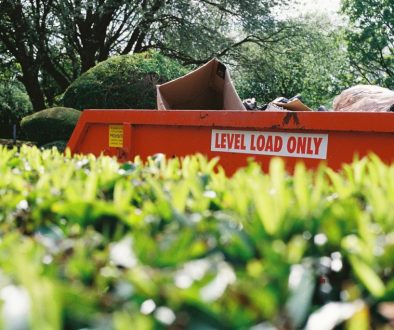
This is not just about rules. On busy Cheshire roads, an overloaded skip is a safety risk. Waste can shift when the lorry lifts it, fall into the road or damage vehicles. Collection might be refused, or extra time may be needed to make the load safe, which slows your project down.
A good rule is simple: keep waste level with the top of the skip, not heaped. If you think you will go over, you probably needed the next size up.
Ignoring Permits, Parking and Neighbour Relations
On many Cheshire streets, a skip cannot just be dropped in the road without thought. Councils usually require a permit for any skip placed on the highway, and that includes narrower residential roads and busier routes near shops or schools.
Typical council expectations often include:
- A valid permit for the skip if it is not on private land
- Safety lights and reflective markings so it is visible in low light
- Clear, safe positioning so it does not block junctions, crossings or access
During times when there are more roadworks or events, permit lead times can stretch. If you leave it to the last minute, you might find the skip cannot be delivered when your project starts, which delays everything else on site.
Parking and neighbour access matter just as much. Before you book, it helps to:
- Check any residents parking rules and bays on your street
- Think about how the lorry will reach your driveway or kerb
- Avoid blocking garages, driveways or shared access points
- Consider school run times when roads are especially busy
A short chat with neighbours can go a long way. Let them know when the skip is arriving, how long it is likely to be there and how you will keep the area tidy. This simple step can prevent complaints and tension on the street.
A reliable local skip hire company will be used to Cheshire council rules and can guide you on permits, placement and sensible timings so everything runs more smoothly.
Putting the Wrong Waste in Your Skip
Not everything can go in a standard skip. Some items need special handling for safety and environmental reasons. Common things that should never be thrown into a normal skip include:
- Plasterboard in bulk
- Electrical items like TVs and computers
- Tyres, fridges and freezers
- Gas bottles and cylinders
- Paints, solvents and oils
- Asbestos or suspected asbestos
- Certain garden chemicals and pesticides
On a busy street, the risks are higher. A leaking container, a damaged gas bottle or broken electricals can cause harm to people, wildlife and the wider area. It can also lead to extra handling fees or refusal to collect if the load is unsafe.
The good news is that most everyday waste is fine for a general skip, such as:
- Mixed household waste and old furniture
- Builders rubble and broken bricks
- Timber, scrap metal and plastic fittings
- Soil and green waste in sensible amounts
Separating out materials where you can, for example keeping clean rubble together, often helps recycling and can keep things simpler at the waste facility.
Some skip hire providers can also arrange proper handling for hazardous or specialist waste streams. That means items that cannot go into a regular skip still get dealt with legally and safely, without you needing to move them twice. Many customers also like knowing that most of their waste is being recycled, not just tipped into landfill.
Poor Timing, Last-Minute Bookings and Missed Collections
Projects often run late. A shower tray arrives late, the rain stops work for a day, or you decide to pull up a bit more patio than first planned. If your skip hire is not timed well, these small delays can cause big problems.
Common timing mistakes include:
- Booking the skip on the same day work starts, then finding there are no suitable sizes available
- Filling the skip quickly, but not arranging collection or exchange in advance
- Forgetting about bank holidays or local road closures that might affect access
For local skip hire, it usually helps to:
- Book a few days before your project begins, not on the morning itself
- Allow a little extra time in case the work slows down
- Talk through likely collection or exchange dates before the first skip is delivered
Narrow Cheshire streets can be busy in the mornings and early evenings. Planning delivery and collection for quieter times, where possible, keeps disruption lower and helps lorries get in and out safely.
Some providers offer same-day or next-day delivery when space and routes allow, and can set up multiple exchanges for ongoing building or landscaping jobs. Clear communication at the start makes it easier to adjust if plans change partway through.
Choose Local Skip Hire That Keeps Cheshire Streets Flowing
When you put it all together, the main skip hire mistakes are quite simple to avoid:
- Picking the wrong size and ending up overloaded or half empty
- Forgetting about permits and parking rules for road skips
- Throwing restricted or hazardous waste into a general skip
- Leaving booking, timing and collections to the last minute
- Not talking to neighbours about access and short-term disruption
Local knowledge makes a big difference. A skip hire team that works across Cheshire every day will usually know which roads are tight, which areas often need permits, and how to plan safe access on busier streets. When that is combined with careful recycling and specialist waste support, your project can stay tidy, legal and as eco-friendly as possible.
By sharing your plans early and asking for practical advice before the first skip arrives, you give your project the best chance of running smoothly, without causing chaos outside your front door.
Get Started With Your Project Today
If you are ready to clear waste quickly and compliantly, we can help you choose the right skip size and arrange delivery at a time that suits you. As Enviro Skip Hire, we keep our prices transparent and our service straightforward so you can focus on your project, not your rubbish. Explore our local skip hire options today and book in a few simple steps.