Starting a house extension in late-spring or early-summer makes a lot of sense. The days are longer, the weather is usually kinder, and it is easier to keep doors and windows open while work is going on. If you are hoping for better indoor-outdoor living, it is also the time when you can really see how the sun moves around your garden.
Good waste planning is a big part of keeping the build smooth. When you know how rubbish will be cleared, trades can work faster, your garden stays safer, and you avoid piles of bricks and timber lying around. Local skip hire is a simple way to stay in control, especially around Cheshire, where fast deliveries, skip swaps and strong recycling practices can make a clear difference to your project.
Create Space for Summer Living with Smart Waste Planning
A summer-focused extension often means more glass, wider openings and better access to the garden. All of that comes with a fair bit of disruption. Early planning for waste helps you keep that disruption short and sharp rather than drawn out and messy.
Key benefits of planning waste removal from the start include:
- Keeping work areas clear so trades can move safely
- Avoiding delays while you wait for last-minute skip bookings
- Reducing trip hazards in the garden for you, your family and pets
- Keeping neighbours happier with a tidy, organised site
Choosing local skip hire for a Cheshire extension also helps with timing. A nearby yard usually means quicker drop-offs and exchanges, and drivers who know the routes around places like Sandbach and Crewe. That makes it easier to time waste removal around each phase of the build and to support your recycling goals at the same time.
Shaping Your Summer Extension Vision
Before you think about skips, it helps to be clear on the kind of space you want. Popular summer-style extensions often include:
- Open-plan kitchen-diners that lead straight into the garden
- Garden rooms or sunrooms with lots of glass
- Bi-fold or sliding doors to create a wide opening
- Extended patios or raised decks for outdoor eating
As you shape your plans, keep a few practical points in mind:
- Sunlight direction: where does the sun fall in the morning and evening?
- Ventilation: will the new space stay comfortable in warm weather?
- Access: is there room for builders and skip lorries to reach the house?
- Garden protection: how will you protect lawns, paths and planting?
Once you have a rough layout, it becomes much easier to match it with the right skip. A small refurbishment or internal knock-through may only need a mini skip for short bursts of waste. A full kitchen extension, new foundations or steelwork usually calls for a larger builders skip, as bricks, blocks and soil take up more space. Planning this early stops you guessing when the work is already underway.
Planning Waste and Local Skip Hire Around Your Build
A summer extension creates different types of waste at different times. Typical rubbish from this sort of project can include:
- Old bricks, blocks and concrete from walls and patio areas
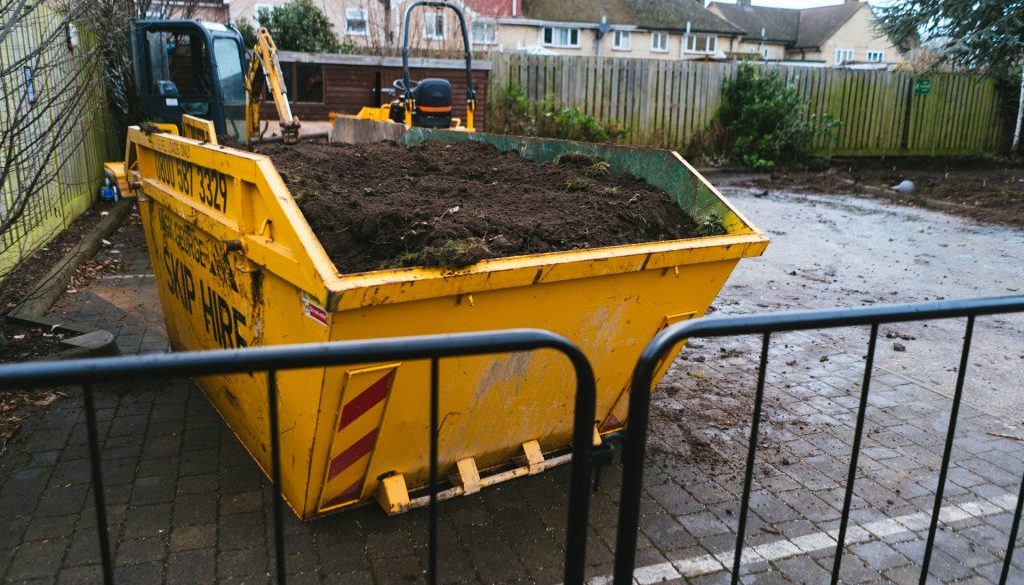
- Soil and hardcore from new foundations or drainage
- Timber from stud walls, joists and old frames
- Plasterboard from new ceilings and wall linings
- Old windows, doors and frames
- Packaging from new kitchens, bathrooms and glazing
- Green waste from trimmed hedges, shrubs or removed trees
It helps to match these waste streams to the build stages:
- Demolition: heavy rubble, broken tiles, old fittings
- Groundworks: soil, clay, hardcore and some green waste
- First fix: timber offcuts, packaging, small amounts of metal
- Second fix: more packaging, old units, leftover boards and trims
By looking at the schedule with your builder, you can plan when skips need to be dropped, filled and swapped. Local skip hire around Sandbach, Crewe and nearby towns often means shorter waiting times if you need an extra exchange, and drivers who can give honest advice on tight drives, shared access, or narrow country lanes. Local teams also tend to know which materials can go to which recycling facilities.
Sizing, Positioning and Permits for Your Skip
Choosing the right size skip for a summer extension is a balance. Go too small, and you may need frequent collections that interrupt work. Go too large, and you pay for lots of empty space you do not need.
A simple approach is:
- Mini or midi skips for lighter refurb jobs and small clear-outs
- Builders skips for structural work, foundations and full wall removals
Think about the heaviest part of the job. If there is a lot of brick, block or soil, it usually makes sense to choose a builders skip or combine a skip with grab hire for bulk materials.
Where the skip sits is just as important:
- Driveway is usually best, if space and strength allow
- Keep clear of garage doors and side access that trades need
- Avoid blocking pavements or shared parking bays where possible
- Use boards to protect block paving or softer ground
If a skip has to sit on the road, you may need a permit from the local council. These can take time to arrange, and there might be rules on where and when the skip can be placed. A good local skip hire company will normally explain the permit process, handle applications where needed, and flag any seasonal points like busy summer events or school-run traffic that might affect timings.
Maximising Recycling and Keeping Your Site Tidy
A neat building site is safer, easier to work on and generally less stressful to live with. It also helps more of your waste get recycled.
Simple habits can make a difference:
- Group similar materials where possible, for example rubble in one area and timber in another
- Load the skip with heavier, bulky items at the bottom and lighter items on top
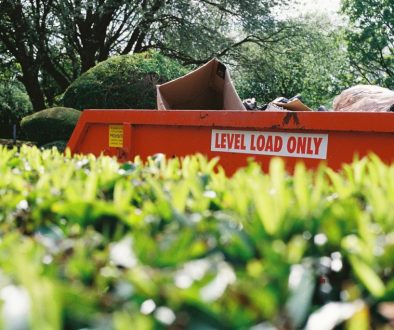
- Do not overfill above the load line, as the skip may not be safe to move
- In hot or windy weather, cover lighter materials or bag them so they do not blow out
Separating materials like hardcore, metals, wood and green waste when you can makes it easier for the skip hire company to send them to the right facilities. Choosing a local provider with strong recycling practices also helps cut transport distances, which means fewer lorry miles on Cheshire roads and more chance that suitable materials can be turned into recycled aggregates for other local projects.
Final Checks Before the Summer Builders Arrive
Before work starts, it is worth running through a short checklist so everything is lined up:
- Confirm extension plans, dates and likely build stages
- Book your skip and, if needed, any grab hire for bulk waste or aggregates
- Check access routes are clear of parked cars, garden furniture or low branches
- Let neighbours know about delivery times and likely noise so they are not caught out
It can also help to plan skip hire alongside deliveries of aggregates and building materials. Coordinating loads can cut down on the number of vehicles visiting your home, which is especially helpful on quiet residential streets during the lighter months.
By planning your waste management early and working with a trusted local skip hire company like Enviro Skip Hire, your summer house extension is more likely to run smoothly, stay organised and be ready to enjoy when warm days arrive. A bit of thought at the planning stage can give you a cleaner site, a calmer build and a fresh new space that feels ready for long evenings with doors wide open.
Get Started With Your Project Today
If you are ready to clear clutter or get your next build underway, we can provide the right skip quickly and reliably. At Enviro Skip Hire, we make booking simple with flexible delivery and collection slots that fit around your schedule. Explore our local skip hire options today and choose the size that suits your project. Let us handle the waste so you can stay focused on getting the job done efficiently.