
Stop Wasting Money on Poor Skip Planning
Skip hire should be simple. Order a skip, fill it, get it taken away. In reality, a few small planning mistakes often lead to wasted time, wasted space, and higher bills than you expected. The good news is that most of these problems are easy to avoid once you know what to look out for.
As the weather improves and people start on clear-outs, renovations and garden projects, demand for skip hire services often rises. That can make choices feel rushed, and rushed choices tend to cost more. With a bit of thought before you book, you can keep your project tidy, safe and under control, without paying over the odds.
Choosing the Wrong Skip Size for Your Project
Picking the right skip size is one of the easiest ways to keep your costs low. Guessing it often leads to trouble.
Underestimating the volume is the mistake we see most:
- You fill the skip halfway through the job
- You still have waste piling up
- You then need an extra skip or extra collection
That means more vehicle movements and more time spent waiting, especially when many households and trades are working on spring and summer jobs at the same time.
Going too big can be just as wasteful. Booking the largest skip “just in case” might feel safe, but if you only half fill it for a small house clearance or a light-refresh, you are simply paying for empty air. A better approach is to think carefully about what will actually go in:
- Count how many black bags you expect to produce
- Think about big items like wardrobes, baths or doors
- For gardens, think in wheelbarrow loads of soil, turf or hedge cuttings
A quick way to improve your estimate is to group items before you book. Walk around the house or site and make a rough pile of what will go. This makes it easier to match what you see to a skip size description.
Ignoring expert advice is another common problem. Many people feel they should already know what they need and are worried about “bothering” their skip hire company with questions. That is what we are here for. If you share simple details like:
- Type of project
- Space available for the skip
- Rough photos of the waste
your local provider can guide you towards a size that gives good value without leaving you short.
Putting the Wrong Waste in Your Skip
Not everything can go into a general waste skip. Mixing the wrong items in will usually lead to extra handling and extra charges, because they need different treatment.
Items that often cause trouble include:
- Mattresses
- Tyres
- Fridges and freezers
- TVs and monitors
- Paints, solvents and oils
- Plasterboard
Putting these into a standard skip can slow down collection and sorting. They may need to be removed and handled separately, which takes extra time on site and back at the depot.
There are also common spring and summer mistakes with hazardous and garden waste. People clearing older buildings might come across materials that could hold asbestos. Others may have treated timber, painted fencing, soil, stones or large amounts of green waste. When these are mixed randomly, they are harder to process and may push your load into a different type of disposal.
A better way is to think in categories:
- Clean green waste, like grass and hedge cuttings
- Soil and hardcore, like bricks, flags and rubble
- General household waste, like furniture and packaging
- Items that you already know are tricky, like paint or electricals
If you keep an eye on what is going into the skip and ask for advice when you are unsure, it becomes much easier to keep things efficient. At Enviro Skip Hire, we put a strong focus on recycling and aim to keep almost everything we collect away from landfill. When waste is sorted correctly, it is usually easier to recycle and that helps both your budget and the environment.
Poor Skip Placement and Access Issues
Where your skip sits can have a big effect on how smoothly your project runs. Poor placement often leads to wasted trips, delays and avoidable issues with neighbours.
If the driver cannot safely reach the spot you had in mind because of:
- Tight gateways or sharp corners
- Parked cars blocking access
- Low branches or overhead cables
- Soft or uneven ground
then the skip may need to be repositioned or even taken back to the depot while you sort things out. That kind of wasted journey adds cost and throws your schedule off.
You also need to think about permits. When a skip needs to sit on a road or pavement, local rules usually mean a permit is required. Leaving this until the last minute can cause delays, and placing a skip without permission can lead to fines. Planning this early keeps things calm and under control.
On a shared street or close estate, thoughtless placement can cause other problems. A skip that blocks a neighbour’s drive, bin access or usual parking space rarely goes unnoticed. Arguments and repeated vehicle movements increase stress and may lead to changes in collection dates, which is rarely good for your budget.
Whenever possible, plan a clear, level, stable area from the first day of your project. Think about how cars, delivery vans and pedestrians will move around it. A few minutes planning on the ground can save you a lot of trouble once the skip arrives.
Overfilling Skips and Ignoring Load Limits
When a job is in full flow, it is tempting to keep piling waste into the skip until nothing else will balance on top. This is where costs can creep up quietly.
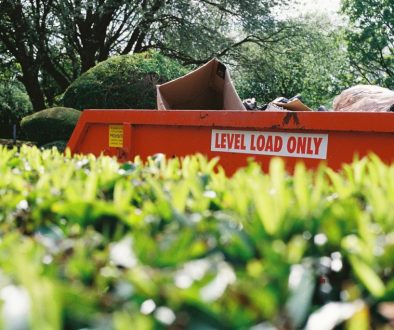
Overfilled skips are unsafe and cannot be moved legally. If waste sticks out above the marked fill line or hangs over the sides, the driver may have to refuse collection. You then need to take waste out and arrange for an extra service, which adds effort and cost.
Heavy materials bring another hidden risk. Soil, hardcore, bricks and concrete feel fine as you shovel them in, but they add weight quickly. A skip that looks half full can already be at its weight limit if it holds dense landscaping waste. If it is not booked on the correct basis, this can lead to extra tonnage charges.
You can cut a lot of this risk by loading smartly:
- Break down bulky items so they sit flat
- Place heavier materials at the bottom
- Fill gaps with smaller pieces
- Keep an eye on both height and how heavy the load feels
Thoughtful loading means you use the space you are paying for, without tipping over into “too heavy” or “too high” territory.
Leaving Bookings Too Late in Peak Season
Many people plan building work, refurbishments and garden projects for lighter, drier months. This is also when skip hire services are busiest. Leaving your booking until the last minute can limit your choices and push you towards sizes and timings that do not quite fit your needs.
When you wait until the week your project starts, you may find:
- The ideal skip size is not available
- The delivery slot you wanted is already full
- Collections and exchanges have longer waits
That can mean trades are left waiting on site, or you are trying to work around piles of waste because the skip has not yet arrived or been swapped. Idle time for builders or landscapers soon becomes one of the most expensive parts of a poorly planned job.
A simple way to avoid this is to plan your waste handling at the same time as you plan your materials. When you know roughly when you will start, speak to your provider about:
- Delivery dates and likely collection dates
- Whether you may need a second skip or larger size
- Any grab hire or aggregates you might want at the same time
Coordinating these services from the start helps keep your project running smoothly, with fewer gaps and fewer surprises.
Cut Waste, Cut Costs and Book Smarter
Avoiding common skip hire mistakes is not about doing anything complicated. It is about a little thought at the right time. If you choose a sensible skip size, check what can go in, plan a safe position, respect fill lines and book in good time, your project is far more likely to stay on track.
At Enviro Skip Hire, we work from our depots in the Sandbach area to support both domestic and commercial customers. By combining local knowledge, skip hire, grab hire, aggregates and a strong focus on recycling, we help you handle waste in a way that is tidy, cost-conscious and kinder to the environment.
Get Started With Your Project Today
If you are ready to clear waste efficiently and responsibly, Enviro Skip Hire is here to help keep your project on track. Explore our flexible skip hire services to find the right size and schedule for your needs. We will advise you on the best option for your site, whether you are renovating, landscaping or managing commercial waste. Get in touch with our team to book your skip and organise prompt delivery.