Keep Your Cheshire Renovation Moving on Schedule
A home or garden renovation in Cheshire is exciting, but once the builders turn up, timing matters more than anything. If waste is not cleared quickly, trades slow down, jobs get moved, and the whole plan starts to slip. Something as simple as a badly planned skip can stall work before it really gets going.
When a skip is late, the wrong size, or in the wrong place, you end up with trades waiting around, neighbours annoyed about blocked parking, and extra costs from extra visits. All of this is avoidable with a bit of planning. Local skip hire is not just about getting a container; it is about making sure your project keeps moving.
We are a Cheshire-based waste management team, so we deal with local roads, access problems, and council rules every day. We see the same small mistakes slow down good projects again and again. Here are the common skip hire problems that delay renovations and simple ways to avoid them.
Misjudging Skip Size and Timing for Your Project
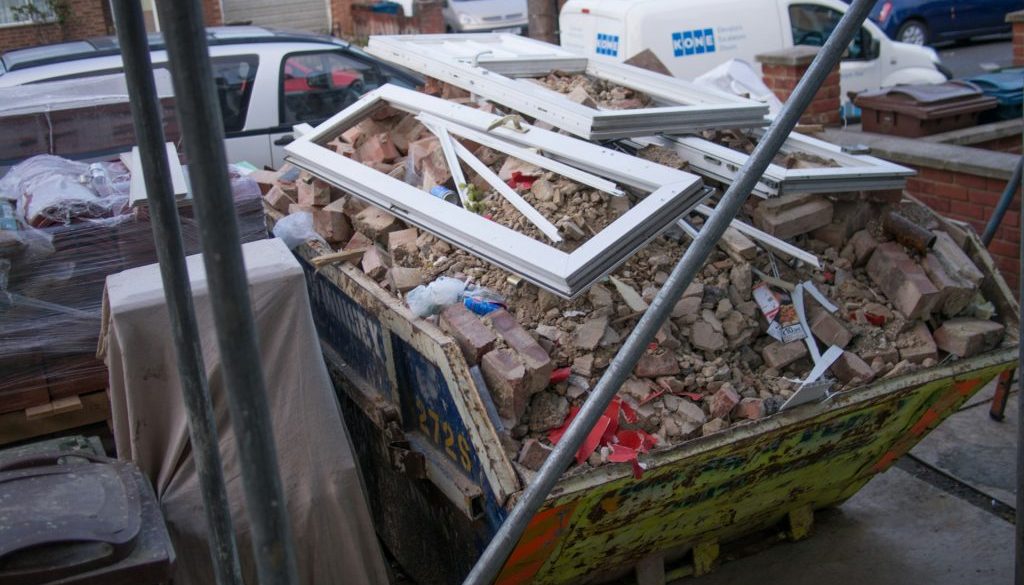
One of the biggest issues is choosing the wrong skip size. Many homeowners think a small skip will be enough for a kitchen refit or bathroom upgrade, then find it full halfway through. Overfilled skips cannot be moved safely, so waste ends up piled around it and work slows.
If you underestimate, you may need:
- A second skip at short notice
- Extra collections that break up the work schedule
- Time spent moving waste from one skip to another
It is usually better to go a size up than risk running out of space. As a rough guide, larger projects like loft conversions, full refurbishments and big patio replacements often need mid to large skips, while small clear-outs and light garden work can manage with smaller sizes. For anything structural, like taking out walls or lifting old driveways, the amount of rubble is often more than you expect.
Timing is just as important as size. During summer, lots of people across Cheshire plan renovations at the same time, so local skip hire slots fill quickly. Leaving your booking until the last minute can mean:
- Demolition has to be pushed back
- Trades arrive but cannot start stripping out
- Waste sits on the drive or pavement waiting for a container
It helps to line up delivery a little before demolition starts and agree a collection date that fits your builder’s plan. Longer projects often work best with staged skips, for example one for strip-out, then another later for finishing and landscaping.
Projects also change. You might decide to refit an extra room or clear more of the garden once you see progress. If the scope grows, your waste volume will grow too. Letting your skip provider know as soon as plans change makes it easier to swap to a bigger size or add extra collections before problems build up.
Overlooking Access, Permits and Neighbour Relations
Access is a common headache, especially on narrow Cheshire lanes, terraced streets or shared driveways. If a skip lorry cannot reach the spot safely, you can lose a delivery slot and delay the job.
Before booking, check:
- Are there tight corners or low branches on the route?
- Will parked cars block the lorry’s access?
- Is there enough space to drop and pick up the skip safely?
Placement also matters. The skip should be close enough to the work area that your trades are not dragging waste across the whole property, but it must not block garages, shared access or paths. It should sit where pedestrians can pass safely and where loading does not spill into the road.
If the skip needs to sit on the road or pavement, a permit from the local council is often required. Without the right permission, you risk:
- Fines or formal complaints
- The skip being removed before you are finished
- Work stopping while paperwork is sorted out
A local skip hire company can advise when permits are likely to be needed in Cheshire and how to allow enough time for approval.
Neighbours are another key part of smooth renovations. Common complaints include noise from late-night loading, blocked parking bays, and rubbish scattered on pavements. Simple steps help keep everyone calm:
- Tell neighbours when the skip will arrive and how long it will stay
- Keep waste inside the skip, not stacked around it
- Avoid heavy loading early in the morning or late at night
Good planning and a tidy site make it far less likely that anyone will involve the council or ask trades to stop.
Loading Skips Badly and Mixing the Wrong Waste
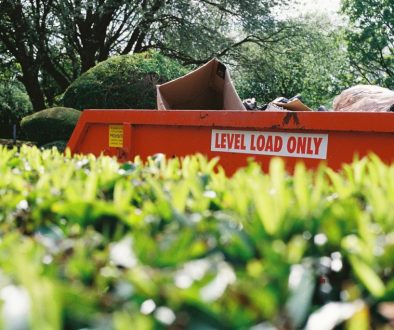
How you fill the skip can also add delays. Overfilling is a regular problem. If waste is piled above the marked fill line, drivers may not be able to move the skip legally or safely. That can mean unloading and reloading, or even ordering an extra skip.
To keep things moving:
- Load to the fill line only, keeping the top level
- Break down bulky items so they sit flat
- Put heavier items like bricks and soil at the bottom
This keeps the load more stable and easier to collect on time.
Another issue is mixing prohibited or specialist waste in with general rubbish. Typical renovation items that often cause trouble include:
- Plasterboard
- Asbestos and insulation materials
- Fridges and freezers
- Tyres, paints, solvents and chemicals
- Electrical items
If these end up in a general skip, the driver may need to refuse collection or the waste may need to be sorted on site, which eats into working time. Keeping different waste streams separate where possible, and asking in advance about anything unusual, makes the whole process smoother.
A recycling-led approach also works best when materials are kept clean. Soil, hardcore and bricks can often be processed into useful aggregates. Green waste, timber and metals can also be recycled efficiently when not contaminated with general rubbish. Good separation supports local recycling efforts and keeps more material out of landfill without adding headaches to your project.
Forgetting to Coordinate Skips with Trades and Deliveries
Even when size and access are right, poor coordination with trades can hold everything up. If demolition teams arrive before the skip, waste ends up piled on drives, lawns and sometimes public footpaths. This is messy, can be unsafe, and often slows everyone down.
Common timing problems include:
- Full skips not being swapped in time, leaving nowhere to put new waste
- Trades waiting around while a new skip is delivered
- Tight schedules slipping by a day or more at each phase
A simple timeline helps. Aim for the first skip to arrive before any major tear-out, then plan collection as soon as that phase is finished. For large projects, it can be better to arrange a series of skips, each linked to a clear stage of the work.
Skip placement can also clash with delivery vehicles. If the skip blocks access for kitchen units, bathroom suites, tiles or timber, lorries may have to rearrange drop times or leave materials in awkward spots. A quick site sketch can help pick a position that:
- Leaves clear space for delivery lorries
- Keeps access to garages and doors free
- Allows trades to move safely between work areas
For long projects, waste does not arrive all at once. There is usually messy strip-out at the start, then steadier waste from structural work, and then packaging, offcuts and garden waste at the end. Using different skip sizes at each phase can be more practical than keeping a single unit sitting half full for weeks. An experienced local skip hire partner can talk through your builder’s programme and suggest a simple plan that fits.
Secure Your Skip Plan Before the First Wall Comes Down
Small skip hire mistakes have a habit of growing into missed deadlines, rising costs and frustrated trades, especially when renovation season is busy across Cheshire. Getting the basics right early on saves a lot of hassle once the work starts.
Treat skip planning as part of your core renovation schedule. Think about the right size, book early, check access, agree placement, and make sure everyone knows what can and cannot go in the skip. Build in a little flexibility for changes to the project, and keep waste loading safe and tidy.
By planning ahead and working with a local skip hire, grab hire and aggregates team that understands Cheshire conditions and council rules, you give your renovation the best chance of staying on track from the first day of demolition to the final tidy-up. Enviro Skip Hire is here to help you make a simple, sensible waste plan that keeps your project moving.
Get Started With Your Project Today
If you are ready to clear waste quickly and responsibly, we can help you choose the right skip size and schedule a drop-off at a time that suits you. At Enviro Skip Hire, our local skip hire service is designed to keep your project running smoothly, whether you are renovating, landscaping or managing a larger build. Book your skip in just a few minutes and let our team handle the rest so you can focus on finishing the job efficiently.