When Hazardous Waste Cleaning Is Never a DIY Job
Hazardous waste cleaning is not the sort of task anyone plans for, but it can appear out of nowhere. A flooded garage, a leaking oil tank, a fire in a workshop or an old asbestos roof breaking up in the wind can all leave behind waste that is dangerous to touch, breathe in or move. When that happens, how you deal with it affects your health, your property and the wider environment.
We see this across homes, farms and businesses in Cheshire. What looks like an annoying mess can actually be classed as hazardous waste under UK rules. That covers things like chemicals, solvents, asbestos, clinical waste, contaminated soil, oil and fuel, corrosive cleaners and sharps such as needles or broken glass from certain sites. The risk is often hidden, with fumes you cannot see, particles you cannot smell and legal duties that are easy to miss.
Hazardous waste cleaning should never be treated as a DIY project. Trying to sweep it up, hose it down or bag it yourself can spread contamination, increase exposure and put you on the wrong side of the law. Professional support from a licensed waste management company helps protect people and property, and makes sure dangerous materials are handled, transported and treated in the right way.
Recognising When Waste Becomes Truly Hazardous
Not every messy job is hazardous, but some clear warning signs mean you should stop work straight away. Things to watch for include:
- Strong chemical, fuel or solvent smells that catch in your throat
- Unknown liquids or powders, especially if they are leaking or reacting
- Any burning, tingling or corrosive feeling on skin or eyes
- Unusual smoke, soot or residue after a fire or electrical fault
- Containers with hazard symbols, such as toxic, corrosive, flammable or environmentally hazardous labels
Everyday life often creates these risks. As the weather warms up, people tend to clear garages, sheds and outbuildings, start renovation projects and work on gardens and land. That is when we see more:
- Old asbestos shed and garage roofs breaking or being pulled down
- Out-of-date pesticides, weedkillers and fertilisers in cracked bottles
- DIY and decorating chemicals, including solvent-based paints and thinners
- Spillages from lawnmowers, tractors, generators and fuel storage
The tricky part is knowing when something has crossed the line from general rubbish to hazardous waste. Some simple comparisons can help:
- Empty plastic paint tubs from water-based paint are usually general waste, but solvent-based thinners and strippers sit in a hazardous category
- Clean soil from a garden is general waste, but soil soaked with oil, fuel or chemicals is hazardous
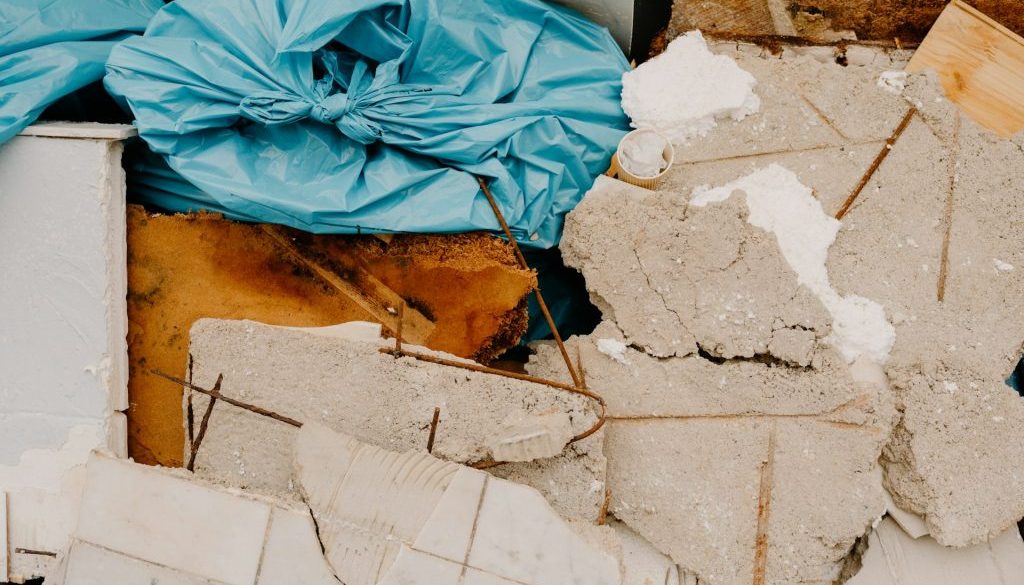
- Broken bricks, tiles and concrete are normal rubble, but any material that may contain asbestos, such as some older cement sheets and insulation boards, must be treated as hazardous
If you are unsure, the safest choice is to stop work, keep children, pets, staff and visitors away and close doors or gates. Avoid sweeping, scraping or bagging the material yourself. Disturbing it can spread fibres, dust and fumes into the air or into drains and watercourses.
Legal Duties and Safety Rules You Cannot Ignore
Hazardous waste cleaning is not only about safety, it also involves clear legal duties in the UK. The main ideas are simple, even if the regulations behind them are detailed.
Both householders and businesses have a duty of care for any waste they produce. That means you must:
- Keep waste stored safely and securely
- Pass it only to authorised people or companies
- Make sure it is described and classified correctly
- Keep records of how it has been transferred
Hazardous waste regulations and classification rules set out which materials are classed as hazardous and how they should be labelled, packaged and moved. If hazardous waste is handled badly, the consequences can include:
- Fines or prosecution for illegal disposal or pollution
- Insurance problems if damage or injury happens during a DIY clean-up
- Liability if someone is harmed or the environment is contaminated
Responsibilities are especially important for landlords, facilities managers, builders and tradespeople working on properties. They are expected to know when waste may be hazardous and to arrange proper handling. In many cases, correct paperwork is required, such as:
- Waste transfer notes for non-hazardous waste
- Consignment notes for hazardous waste movements
Using a fully licensed operator takes away much of this stress. They can deal with classification, packaging, transport and disposal at authorised facilities, and they make sure the right documents are created and kept.
How Professionals Safely Manage Hazardous Waste Cleaning
Professional hazardous waste cleaning follows a structured process that keeps people and the environment as safe as possible. While each situation is different, there is a common pattern.
First, there is an initial risk assessment. Trained staff look at:
- What materials may be present
- How spread out or concentrated they are
- Any immediate risks to health, buildings, drains and watercourses
- Access to the site, neighbours and nearby activities
Next comes containment. That might involve blocking drains, setting up barriers, sealing off rooms or areas and using absorbents to stop liquids spreading. Personal protective equipment, such as gloves, masks, protective suits and eye protection, is chosen based on the risk.
Safe removal methods are then planned. This can include lifting and sealing solid waste into suitable containers or skips, pumping or absorbing liquids, or carefully removing contaminated soil. For certain waste types, like asbestos or some chemicals, strict rules control how they are handled and wrapped.
Once the bulk of the material is removed, the area is decontaminated. That could mean specialist cleaning, safe washing solutions, HEPA vacuuming or removing an extra layer of surface materials. The goal is to leave the site safe for future use, not just looking tidy on the surface.
A company that offers wider waste management support can bring everything together, including:
- Dedicated handling of hazardous waste streams
- Suitable skips, drums and containers for different materials
- Commercial tipping services for trade and industrial clients
- Recycling or treatment options where they are appropriate
Professional planning also takes into account neighbours, traffic and the weather. In warmer and drier months, this can include managing dust, odours and run-off so that work does not create new problems for nearby homes or businesses.
Choosing the Right Hazardous Waste Partner in Cheshire
If you suspect hazardous waste on your site, picking the right partner matters. Some simple checks can help you feel confident in your choice:
- Registration and licences with the Environment Agency
- Suitable insurance for hazardous waste work
- Staff training for the specific types of waste involved
- Clear, itemised quotations that explain what is included
Working with a local Cheshire-based provider offers some real advantages. Local teams can often respond faster in urgent situations, and they know the nearby treatment and disposal facilities and local rules. If you are running a larger project, it is also helpful when one company can coordinate skip hire, aggregates, recycling and hazardous waste, instead of you trying to juggle several different suppliers.
When you first enquire, it helps to ask:
- How will the waste be assessed and classified?
- What packaging or containers will be used for removal?
- Who will handle the consignment notes and other documents?
- How long will it usually take to arrange collection and cleaning?
During late spring and summer, there is often a rush of renovation, construction and landscaping work. That can increase lead times, so planning hazardous waste cleaning early in your project reduces delays and helps keep everything on track.
Take Safe Action Today with Professional Support
If you think you might be dealing with hazardous waste, the most important step is not to ignore it or try to tidy it away quickly. Early professional advice usually reduces both risk and overall disruption. Leaving materials where they are, or spreading them around during a DIY clean-up, can make the job much bigger later.
Simple actions can make a big difference. Isolate the area, keep people and pets away, and avoid touching, sweeping or hosing the material. If it is safe to do so, take clear notes or photos from a distance so you can describe the problem. Then speak to experienced hazardous waste specialists who can assess the situation and plan the right response.
With the right support, one-off incidents and ongoing commercial waste needs can be handled safely and legally. That helps keep homes, farms, businesses and sites across Cheshire cleaner, safer and more compliant all year round. Enviro Skip Hire is here to provide that professional, local help whenever hazardous waste cleaning is needed.
Protect Your Site With Professional Hazardous Waste Support
If you need reliable, compliant hazardous waste cleaning, we are ready to help you manage it safely and efficiently. At Enviro Skip Hire, our experienced team handles collection, transport and disposal in line with UK regulations, so you can avoid unnecessary risks and penalties. Get in touch today to discuss your project and let us put a clear, practical plan in place for your hazardous materials.