Hazardous waste cleaning on your own site can look like a simple tidy-up. A few spilled oils here, some old paint tins there, maybe a pile of broken roofing sheets, and it is tempting to just get stuck in. The problem is that some of these materials are not normal rubbish at all. They are legally classed as hazardous and need very careful handling.
In Cheshire and Staffordshire, many homes and businesses sit close to other properties, watercourses and public roads. What you do with waste on your site can affect neighbours, staff, and the wider environment. Here, we want to explain what counts as hazardous waste, why DIY clean-ups can be risky, and how a safer approach protects people, projects and the planet.
Hidden Dangers of Cleaning Hazardous Waste on Site
Hazardous waste is any waste that can damage health or the environment. On a typical domestic or commercial site, that can include oils and fuel residues, solvents and strong cleaning products, asbestos in old garages, insulation or floor tiles, contaminated soil from spills or historic use, clinical waste (including sharps or sanitary items from certain premises), and some paints, adhesives and other chemicals.
When the weather is warm and dry, these risks can increase. Higher temperatures can mean stronger fumes from oils, fuels and solvents; faster evaporation so vapours build up in still air; dustier conditions (especially on construction sites), where fine particles become airborne; and a greater fire risk if flammable liquids are not stored or cleared safely.
So what looks like a bit of sweeping and bagging up is actually a regulated process. Hazardous waste is tightly controlled in the UK, and your legal duty of care covers how it is stored, handled, moved and disposed of. It is about more than neatness; it is about protecting your team, your family, and your surroundings.
What Counts as Hazardous Waste on Your Premises
Many people are surprised by how many everyday items can fall into the hazardous category. For domestic customers, common examples include:
- Old garden chemicals, weed killers and pesticides
- Asbestos from garage roofs, soffits or sheds
- Leftover paint, varnish and solvents
- Batteries, including car and tool batteries
- Oily rags, filters and used oil containers
- Contaminated soil from landscaping or old fuel tanks
On commercial and construction sites, hazardous waste often appears as:
- Rubble or demolition waste containing asbestos
- Fuel and oil spills from machinery or storage tanks
- Industrial chemicals, resins or adhesives
- WEEE waste, like fridges, monitors and certain electrical items
- Contaminated soils and sludges from groundwork
Around late summer and early autumn, many sites are extra busy. Homeowners start renovation projects, garden clear-outs and garage clean-ups, while businesses push to finish outdoor works before wetter weather arrives. This is when a lot of unrecognised hazardous waste appears and gets piled into skips as if it was normal rubbish.
Misclassifying this waste as general rubbish can lead to mixed loading into standard skips, cross-contamination of otherwise recyclable material, rejected loads when they reach a waste facility, and extra handling and higher risk for anyone near the waste. Once hazardous and non-hazardous wastes are mixed, it is harder, riskier and more expensive to sort it out.
Legal and Financial Risks of DIY Hazardous Cleaning
In the UK, anyone who produces or handles waste has legal responsibilities. Key rules include the Duty of Care under the Environmental Protection Act, the Hazardous Waste regulations and COSHH for substances that may harm health.
In simple terms, these rules mean you must:
- Identify hazardous waste correctly
- Store and handle it safely on site
- Use appropriate paperwork and carriers for transport
- Make sure it goes to a suitable treatment or disposal facility
Trying to manage hazardous waste yourself, without the right knowledge or systems, can lead to problems such as fines or enforcement notices if waste is mismanaged, increased liability if employees, contractors or the public are harmed, reputational damage if pollution or unsafe practices come to light, and project delays while issues are investigated or corrected.
DIY clean-up might look cheaper at first, but costs can snowball. You might pay for:
- PPE and basic equipment that still does not give proper protection
- Extra transport or disposal when facilities reject mixed or mislabelled loads
- Repeat clean-up work when waste has to be rehandled
- Higher insurance exposure if an incident happens on your site
What starts as a quick tidy can turn into a long list of unexpected bills and risks.
Safety Hazards You May Not See Coming
The safety risks around hazardous waste are not always obvious. Many materials look harmless but can cause serious harm when disturbed, cut, heated or mixed.
Key hazards include:
- Breathing in toxic fumes from fuels, solvents and chemicals
- Skin and eye contact that leads to burns, rashes or long-term issues
- Inhaling fine dusts such as silica or asbestos fibres
- Manual handling injuries when heavy containers or awkward items are lifted without planning
Site conditions can make these risks worse. Confined spaces, basements, small plant rooms or unventilated sheds can trap vapours; hot weather can increase odours and speed up the release of gases from containers; and dry, dusty ground makes it easier for fine particles to stay in the air.
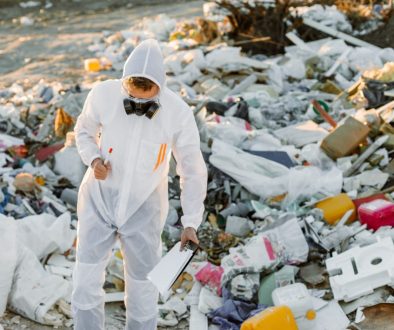
There is also a big gap between generic PPE from a DIY store and specialist protection. A simple dust mask, thin gloves and basic goggles are not designed for every hazardous material. Some situations need specific types of respirator and filters, chemical resistant suits and gloves, and controlled entry and decontamination procedures. Trying to guess what protection is needed can put people in harm’s way.
Safer Options with Professional Hazardous Waste Support
Using a licensed, local provider changes the whole picture. Instead of guessing what is hazardous and how to handle it, you get structured support with:
- Proper classification of different waste streams
- Segregation and labelling so hazardous items are kept separate
- Suitable containers, skips or drums for safe storage
- Compliant transport and disposal with full traceability
Specialist options, such as grab hire, are especially useful for contaminated soils and bulky materials. Rather than many small manual lifts, waste can be collected directly from the ground or stockpile, which cuts handling on your site. Dedicated hazardous skips and tailored collection services keep risky materials controlled from start to finish.
At Enviro Skip Hire, we focus on responsible recycling and waste management across Cheshire and Staffordshire. That includes handling difficult and hazardous wastes in a way that reduces what goes to landfill and keeps your site cleaner and safer.
Plan Your Next Clean-up the Safe, Legal Way
Before you start an end-of-summer clear-out, refurbishment or site clean-up, it helps to pause and think about hazardous waste. If something looks old, stained, chemical, powdery, oily or unusual, treat it with care rather than throwing it in a general skip.
Practical steps you can take include:
- Walk your site and note any suspect materials or spill areas
- Keep potential hazardous items separate from normal rubbish
- Avoid breaking, cutting or grinding materials that might contain asbestos
- Store any chemicals upright, in trays or bunded areas, until they are collected
Planning ahead reduces risk before autumn works pick up speed. It protects staff, visitors and family members, keeps you aligned with UK waste law, and helps ensure that hazardous waste from your site is dealt with properly from the first lift to final disposal. With the right support, hazardous waste cleaning becomes a controlled process instead of a worrying guess.
Protect Your Site With Professional Hazardous Waste Support
If you are facing hazardous materials on your project, we can help you manage and remove them safely and legally. At Enviro Skip Hire, our experienced team provides compliant hazardous waste cleaning tailored to your site conditions. Get in touch today so we can assess your requirements, minimise risk and keep your project moving without unnecessary delays.