Make Every Commercial Skip Hire Work Harder for You
Hiring a commercial skip should make life easier, not harder. When you plan it well, a skip keeps your site tidy, your team safe and your project moving. When you rush it, you can end up with extra costs, the wrong size, or waste that cannot legally be taken away.
Across Cheshire, more offices, shops and sites are turning to skips for refits, clear‑outs and building work. As trading picks up after summer breaks, many businesses want a quick way to clear space and get ready for a busy season. A bit of thinking before you hire a commercial skip can save a lot of stress later on.
If you ask the right questions at the start, you can:
- Stay on the right side of waste rules
- Keep your budget under control
- Support your environmental goals
- Keep staff, visitors and neighbours safe
As a local operator with licensed recycling facilities, we see every day how much smoother things run when customers plan ahead. The rest of this guide walks through the key questions to ask before you hire a commercial skip, so each skip you order works as hard as it can for your business.
Clarify What You Are Putting in the Skip
Before you think about skip size or dates, you need to be clear on what is going in it. Different projects create different types of waste, and that affects the type of skip you should order.
Common commercial waste types include:
- General mixed waste from offices and shops
- Construction and demolition rubble
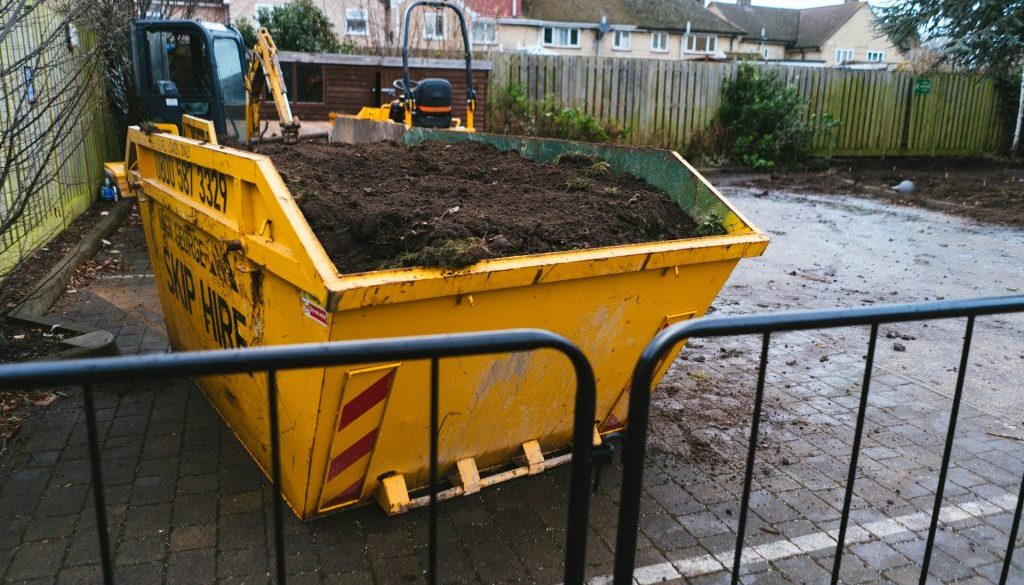
- Soil and sub‑base materials
- Metals, wood and cardboard
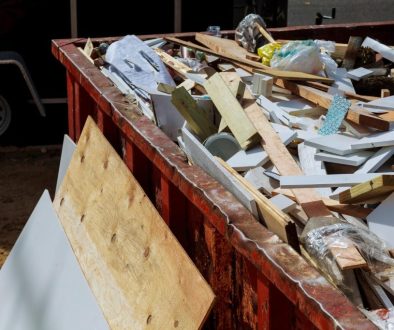
- Plasterboard and similar materials
Some things usually cannot go in a standard commercial skip, such as asbestos, gas bottles, tyres, certain electrical items, paints, oils or solvents. These are classed as hazardous or specialist wastes and have to be handled separately for safety and legal reasons.
Useful questions to ask your provider are:
- Which waste streams are allowed in each skip type?
- How should we deal with any hazardous or specialist waste on the same project?
- Would separate skips or grab hire be better for heavy soil and hardcore?
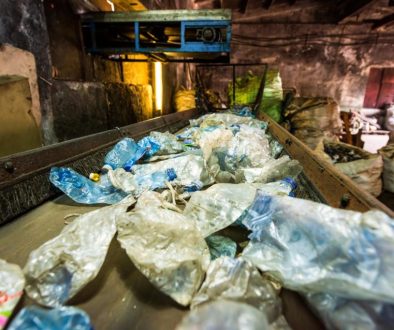
Good waste categorisation also helps at licensed recycling facilities. When materials are kept cleaner and less mixed, it is easier to sort and recycle them, which can reduce contamination fees and support your recycling goals.
Choose the Right Skip Size and Collection Schedule
Once you know your waste types, you can think about size and timing. Commercial skips range from smaller builders skips to large roll‑on roll‑off containers that suit ongoing construction or refurbishment work.
Signs that you might be choosing the wrong size include:
- Skips are regularly overfilled or have items stacked above the sides
- You need several collections for small amounts of waste
- Skips block access, parking bays or loading areas
- Large containers sit half empty and eat into valuable yard space
To avoid this, ask questions such as:
- Which skip size fits our estimated volume and project length?
- Do you offer same‑day or next‑day deliveries and exchanges?
- How flexible can you be if our volumes rise during busy trading periods?
A realistic collection schedule keeps waste moving off-site so it does not build up. This helps reduce fire risk, keeps walkways clear and cuts the chance of skips getting in the way of customers, deliveries or emergency access.
Check Licensing, Compliance and Environmental Credentials
Your legal duty of care for waste does not end when the skip lorry drives away. If your waste is dumped or mishandled, your business can still be held responsible, which can lead to fines and damage to your reputation.
Before you hire a commercial skip, it is worth checking:
- Does the company hold a current waste carrier licence?
- Are their recycling facilities fully licensed and audited?
- Can they issue a waste transfer note for each load and explain where your waste goes?
You can also ask about recycling and landfill diversion:
- How do you sort and process mixed loads?
- Which materials are recovered, for example metals, wood, soil and hardcore?
- What steps do you take to divert waste from landfill?
For many businesses, this ties into ESG and sustainability reporting. Working with a supplier that focuses on recycling and recovery can support internal targets and help when you need to show good waste management in tenders or audits.
Understand Access, Permits and Site Safety
Even the best skip plan fails if the lorry cannot get to the spot safely. Access is a big part of any commercial hire, especially in busy Cheshire streets, business parks and rural lanes.
Think about:
- Vehicle size and turning room for the skip lorry
- Low bridges, trees or overhead cables
- Weight‑restricted roads or weak surfaces
- The effect on neighbouring properties, pedestrians and traffic
Key location questions to ask your provider are:
- Can we keep the skip on private land, or will it sit on a public road?
- If we need a road permit, who arranges it and how long does it run?
- Are there extra steps for skips on the highway, such as lights, cones or covers?
Site safety matters too. Staff should load skips evenly, not overload them and never block fire exits or emergency routes. Skips placed under scaffolding may need extra protection so nothing heavy falls into them from height. Local operators who know the councils and usual traffic routes can often suggest the best position to reduce delays and complaints.
Compare Pricing, Service Levels and Added Value
A low headline rate is not always the best deal when you hire a commercial skip. You want to know exactly what is included and where extra charges might appear.
A clear quote should set out:
- Hire period
- Delivery and collection
- Any tonnage limits
- Permit costs if a road permit is needed
- Possible extra charges for restricted items or wasted journeys
Useful questions include:
- Is there a fee for early collection or keeping the skip longer than planned?
- What happens if the skip is heavier than expected?
- Are there surcharges for certain waste types?
It also helps to ask what else the company can support you with. Services such as grab hire for bulky soil and rubble, supply of quality recycled aggregates, and advice on simple waste segregation can make your whole project run smoother and more efficiently.
Responsive customer service matters when deadlines move or projects overrun. Being able to arrange same‑day or next‑day deliveries and exchanges can make the difference between a tidy, safe site and one that holds up work.
Take the Next Step Towards Smarter Waste Management
Before you hire a commercial skip, it pays to pause and ask a few focused questions. Be clear on your waste types, choose a suitable size and schedule, check licences and recycling performance, think through access and permits, and make sure you understand the full service on offer, not just the basic hire.
By planning ahead in this way, businesses across Cheshire and the surrounding area can keep projects compliant, tidy and efficient, while supporting their own environmental aims through better recycling and reduced landfill. As a local, licensed and environmentally focused operator, Enviro Skip Hire is here to help you turn those questions into practical solutions that work on the ground for your team and your site.
Get Started With Your Project Today
If you are ready to simplify waste management on your site, we are here to help you plan the right solution. At Enviro Skip Hire we make it straightforward to hire a commercial skip that suits your space, budget and project timeline. Speak to our team today so we can arrange prompt delivery and collection that keeps your work running smoothly.