
Make Big Projects Easier with the Right Skip Size
Choosing a skip for a big clear-out or renovation sounds simple, until the waste starts to pile up. Many people planning an autumn tidy, a new kitchen, or a garden overhaul are surprised by how quickly rubbish fills the space. That is often when the question pops up: should you go for large skip hire or keep it smaller and safer?
Picking the right size matters. A large skip can save time and effort if you are dealing with serious volumes of waste. It can also be too much, take up half the street, and leave you paying for empty space if the project is smaller than you first thought. Our aim is to help you weigh it up calmly, so you can choose what actually fits your job, your space, and your budget.
At Enviro Skip Hire, we work with homeowners and trades across Cheshire, so we see the same patterns every year. Big seasonal projects, last-minute rushes, and skips that are either brimming by day two or sitting half empty on the drive. With a bit of planning, you can avoid both extremes and keep your waste moving smoothly.
This guide looks at when large skip hire works well, when it does not, and what to think about before you book. We will also touch on alternatives like grab hire and phased collections, so you can plan a clear, cost-effective, and more sustainable way to handle your waste.
When Large Skip Hire Makes Practical Sense
There are plenty of projects where a large skip simply makes life easier. If you know the waste will be heavy, bulky or constant for a few days, going bigger can be the smart move.
Large skip hire often suits:
- Full house renovations or strip-outs
- Big kitchen and bathroom refits with ripped-out units and tiles
- Loft, garage, barn or outbuilding clearances
- Large garden makeovers with old decking, soil and green waste
- Small commercial refurbishments or shop refits
With these kinds of jobs, a large skip can offer clear benefits:
- Fewer collections and exchanges, so less disruption on site
- Less labour dragging waste to different piles or separate containers
- Better value per cubic yard compared with several small skips
- Space to load awkward items that do not stack neatly
In autumn, projects often bunch together. Builders push to finish work before winter gets too wet. Homeowners rush to clear gardens and sheds before the bad weather sets in. That can mean a short, busy burst of heavy waste.
If you have good outdoor space, such as a long driveway or yard, a large skip can sit neatly out of the way while work goes on. In parts of Cheshire with generous plots, this is often straightforward. On tighter terraces or narrow streets, that same skip could cause headaches, so the right choice is always site-specific.
Space, Access and Permits You Cannot Ignore
Before you decide on a large skip, it is worth looking at your space with a critical eye. Big skips are helpful, but they also need room to sit safely and to be delivered without drama.
Think about:
- Ground space: there must be level, firm ground for the skip to sit on
- Access for the lorry: enough width, height and turning room for safe delivery
- Clearance: no low branches, overhanging cables or tight walls at the entrance
- Day-to-day use: you still need to open doors, use garages and move vehicles
If the skip cannot go on your land, it may need to sit on the road. In that case, a council permit is usually required, and there may be rules about:
- How long the skip can stay in place
- Lights and cones for visibility in shorter autumn days
- Positioning so it does not block junctions, pavements or driveways
Ignoring these points can lead to delays or the skip lorry not being able to complete delivery or collection. Narrow Cheshire lanes, cars parked on both sides, overgrown hedges or overhead lines can all make it hard to place or pick up a large container.
If space is tight, that does not mean you are stuck. You might be better off with:
- A smaller skip with more frequent exchanges
- Grab hire for piles of soil, hardcore or rubble that can be collected from a heap
- A mix of skip hire with a man-and-van style clearance for awkward items
The right set-up is the one that fits your property and keeps your crew working safely.
Calculating Whether a Large Skip Truly Saves Money
A single large skip often sounds more expensive than a smaller one, but that is not always the case once you factor in everything around it. To work out what makes sense, it helps to think beyond the basic hire.
Key points to consider:
- Delivery and exchange: multiple small skips mean repeated transport and handling
- Time on site: swapping skips costs time, which can slow down your project
- Load pattern: a steady flow of waste might suit smaller, regular swaps, big bursts may suit one large unit
A rough volume estimate is helpful. Simple rules of thumb, such as how many bin bags or how many rooms you expect to clear, can guide your choice. If you only fill half a large skip, you have paid for a lot of air. If you cram a small skip and then need a second, you may also lose time and money.
Waste type matters as well:
- Heavy waste like soil, bricks and rubble may have limits on how much can go in one large skip
- Mixed builders waste often suits bigger containers if space allows
- Bulky but light items, such as old furniture or packaging, can quickly fill volume, even if they do not weigh much
Talking through what you plan to load helps match the skip size and type to your job. At Enviro Skip Hire, our team can explain options for different waste streams, how they are handled at our recycling facilities, and how to avoid extra charges for items that should not go into a general skip.
Good planning is not only about cost. It also supports better recycling and legal compliance. Correct skip use helps avoid problems with prohibited items or overloading, and it supports higher recycling rates once the waste reaches our site.
Common Mistakes to Avoid with Large Skip Hire
Large skips feel forgiving, which is exactly why people often use them badly. A bit of thought about how you load and how long you keep the skip can prevent common problems.
Watch out for:
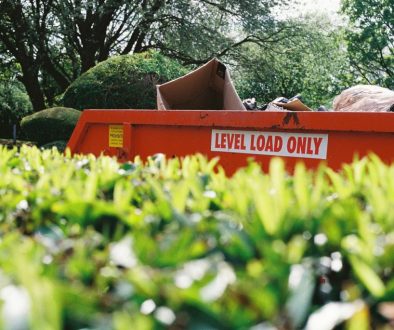
- Overfilling: waste must not sit above the sides of the skip
- Unsafe loading: heavy items on top or hanging over the edge can be dangerous
- Poor stacking: throwing things in at random wastes space and fills the skip too quickly
You also need to be careful about what goes in. Some items need special handling and should never be mixed into general waste, such as:
- Certain electrical items
- Tyres and some automotive parts
- Plasterboard mixed with other waste
- Hazardous or chemical materials
If you are unsure about specific items, it is always better to ask before loading them. This avoids extra handling later and keeps things compliant.
Timing matters, especially in wetter months. Leaving a large skip open for weeks lets rain soak into soft furnishings, plasterboard and soil. This adds weight, makes waste harder to handle and can affect the overall service. Booking deliveries and collections around key phases of your project helps keep skips turning over rather than sitting half used.
There is also the neighbour factor. A large skip can change parking options, block views from windows, or make a neat street look like a building site. Simple steps help:
- Let neighbours know when the skip is coming and how long it will stay
- Keep the area around the skip tidy
- Close gates and manage access so people can still move safely
This keeps relations friendly and stops complaints adding stress to your project.
Confidently Choose the Right Skip for Your Next Job
When you break it down, choosing between large skip hire and other options is about a few clear questions:
- How big is the project and how long will it run?
- What type of waste will you have and how heavy will it be?
- How much space do you have for a skip and lorry access?
- Do you need road permits or special placement because of your location?
- Would a mix of services, such as skips and grab hire, work better?
There is no one-size answer. Some jobs are perfect for a single large skip. Others are better served by a smaller container with swaps or a different waste solution altogether. The main thing is to plan before the first wall comes down or the first bush is dug up.
At Enviro Skip Hire, we help domestic and commercial customers across Cheshire think this through before they book. By matching skip size to your real needs and talking through access, waste types and timing, we can support a smoother project and higher recycling rates, whether you are freshening up a small garden or stripping out a full property.
Get Started With Your Project Today
If you are planning a big clear-out, renovation or construction job, let Enviro Skip Hire take care of the heavy lifting. Our flexible large skip hire options make it simple to manage bulky waste safely and efficiently. We will help you choose the right size and schedule delivery and collection at times that work for you. Get in touch today to keep your project running smoothly and your site tidy.