Stop Contamination Before It Raises Waste Costs
Recycling only works properly when materials are clean, dry and sorted into the right container. Contamination means anything that should not be there, including general rubbish, food-soiled packaging, liquids or recyclable items placed in the wrong bin. Even a small amount of the wrong waste can affect a much larger load.
For businesses using skips, bins or regular collections, contamination can turn a useful recycling stream into waste that cannot be recovered. Across Cheshire and surrounding areas, we help businesses look at the materials they produce, improve separation on site and arrange commercial waste management that suits their day-to-day operation.
How Contamination Turns Recycling Into Waste
Recycling facilities depend on receiving predictable materials. Cardboard, paper, plastics and metals are easier to process when they arrive clean and separated. Once food residue, drinks, bagged rubbish or unsuitable materials are mixed in, sorting becomes harder for both machinery and workers.
A contaminated load may need extra handling, further sorting or disposal instead of recycling. That can lead to added charges and make your waste arrangements less efficient over time. When recyclable materials are regularly lost to general waste, you may also need more general waste capacity than necessary.
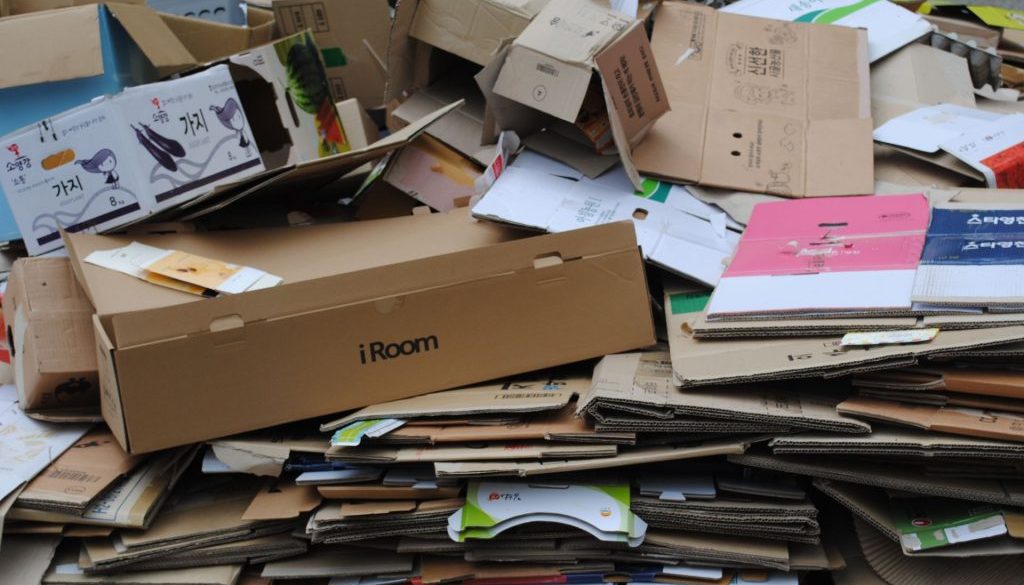
A common example is a cardboard collection filled with clean, flattened boxes, but also containing greasy takeaway packaging, wet paper or black bags of general waste. The unsuitable items can spoil the quality of the rest of the load. Preventing that problem before collection is far easier than trying to correct it afterwards.
Contamination can also create practical problems around your premises, including:
- Unpleasant smells from food waste or liquids
- Leaks that make storage areas messy
- Pest risks around bins and collection points
- Delays where crews need to report unsuitable contents
Our commercial recycling service works best when everyone on site knows what belongs in each container before waste leaves the building.
Everyday Habits Can Cause Big Problems
Most contamination starts with ordinary workplace decisions. Staff may mean well but use the nearest bin when they are busy, unsure or dealing with an overflowing container. We often see these issues in offices, shops, hospitality settings, construction sites and industrial premises.
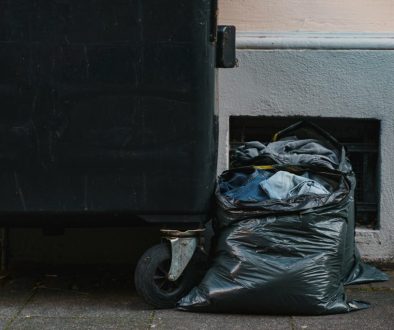
Common problem items include disposable coffee cups with drink residue, plastic film mixed with rigid plastics, wet cardboard, greasy paper and mixed food packaging. Black bags are another frequent issue because crews cannot easily see what is inside them. A black bag placed in a recycling bin may contain recyclable waste, but it can still cause concern because its contents are unknown.
Clear labels make a real difference. Your signage should be easy to spot directly on or above the bin, rather than hidden in a staff handbook or noticeboard. Images can be particularly helpful, especially when they show the packaging and materials your team handles every day.
Bin placement matters just as much. Recycling containers should be close to where waste is created, such as near printers, staff kitchens, packing benches, loading bays and break areas. If general waste is easier to reach, recyclable materials are more likely to end up in the wrong place.
A simple on-site approach can include:
- A named waste champion who checks procedures
- Clear induction guidance for new starters
- Labels with examples of accepted and unacceptable waste
- Enough recycling capacity for busy areas
- Regular reminders when suppliers, staffing or operations change
Separate Waste Properly From the Start
A practical segregation plan begins with understanding what your business throws away in each area. We recommend reviewing cardboard, paper, plastics, metal, food waste, timber, packaging and general rubbish separately. This shows which materials need their own containers and where staff need clearer guidance.
Keeping paper-based materials clean and dry is particularly important. Flatten cardboard where possible to save space, and protect it from leaks, food waste and damp conditions. Staff should not use recycling bins as overflow space for loose general rubbish, even when there appears to be room.
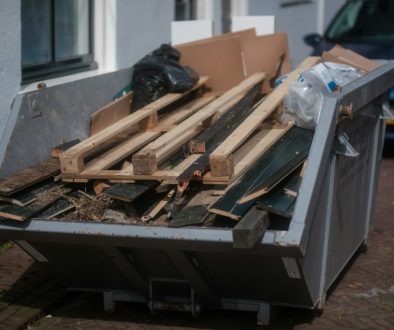
Hazardous items must not be mixed with ordinary recycling or general waste, and plasterboard is restricted waste that must be kept separate rather than placed in a mixed open skip.
Use Collection Feedback to Improve Daily Practice
A rejected or flagged collection is useful information, not just an inconvenience. When contamination is found, we recommend tracing it back to its source. Was the issue caused by unclear labelling, a poorly placed bin, staff uncertainty or packaging from a supplier? Once you know where the wrong material entered the waste stream, you can make a targeted change.
Quick checks before collection can help prevent a whole container being affected. This is especially useful where your site creates large amounts of packaging, food-service waste or mixed materials. Supervisors can look for black bags, liquids, food waste and visibly incorrect items before the collection takes place.
Collection patterns can also show whether your current setup matches the waste you produce. A business generating a high volume of cardboard, for example, may need a dedicated arrangement rather than mixing it with other recycling. We can help you review your waste streams and identify a clearer approach to commercial recycling.
Build a Cleaner Recycling Plan
Cleaner recycling protects the materials you set aside for recovery and keeps working areas more orderly. Regular checks, well-placed containers and simple instructions give staff a better chance of making the right decision every time.
Before arranging a collection or skip, take a moment to identify anything heavy, restricted or potentially hazardous. Choosing the right container and keeping waste separated from the beginning reduces rejected loads, limits unnecessary disposal and supports better recycling performance.
Protect More of Your Recycling Load
Enviro Skip Hire can help your business improve sorting, reduce avoidable contamination and keep recyclable materials moving through the right channels. Choose our commercial recycling service for practical collection options that support cleaner loads and more reliable recovery. Call Enviro Skip Hire on 01270 820 426 for help with commercial recycling arrangements. We will help you select a solution that suits the waste your site produces.