
Small workshops often treat hazardous waste as an afterthought. A bit of leftover paint here, a few oily rags there, maybe a couple of old batteries on a shelf. It does not look like much, so it is easy to think it can just go in a normal skip or wait in a corner. That is exactly where problems start, both for safety and for the law.
In this article, we look at what actually counts as hazardous waste in a workshop, why small amounts still matter, how UK rules apply to you, and how regular hazardous waste collections can keep your space safer, cleaner and on the right side of the law as work picks up.
Hazardous Waste Collections: What Small Workshops Miss
In a small joinery shop, garage or maker space, hazardous waste often hides in plain sight. Common examples include:
- Solvents and thinners
- Oily rags and absorbent pads
- Paints, varnishes and resins
- Aerosol cans with leftover product or propellant
- Contaminated sawdust or sanding dust
- Batteries of all types
- Fluorescent tubes and other specialist lamps
- Waste oils and greases
The phrase we hear a lot is, “We only produce a bit.” The problem is that the law does not work like that. Your duty applies from the first drip of oil or the first empty solvent tin, not when the pile gets huge. A small box of mixed waste can still be classed as hazardous and needs proper handling.
There is also the issue of mixing. A clean bag of sawdust is one thing. The moment it is soaked in solvent or wood preservative, it moves into a different category. That affects how it must be stored, moved and treated, which is where professional hazardous waste collections come in. A regular, planned collection clears space, keeps you compliant and often saves money in the long run, especially as work speeds up before winter and offcuts, tins and filters build up faster.
Are You Accidentally Breaking Hazardous Waste Law?
If you run a small workshop in the UK, you have clear legal duties around waste. These include:
- Duty of care over any waste you produce
- Following the waste hierarchy (reduce, reuse, recycle, recover, dispose) where possible
- Correct storage and segregation of different waste types
- Using licensed waste carriers for transport and disposal
When these duties are ignored, even by accident, the consequences can be serious. Local authorities and regulators can issue fines or enforcement notices. In more serious cases, you might face forced closures while issues are sorted. If a fire, spill or injury occurs and your waste handling is shown to be poor, insurers may take a very close look at your cover.
Common workshop mistakes include:
- Pouring paint, solvents or oils down sinks or floor drains
- Throwing part-full paint tins, aerosols or solvent bottles into a general skip
- Decanting chemicals into unlabelled containers “just for now”
- Keeping hazardous waste on site for long periods with no paperwork
All of these increase risk. Proper hazardous waste collections, backed up with the right documentation, keep you aligned with your legal duties and show that you take the issue seriously.
What Counts as Hazardous in a Workshop Environment
Every trade has its own mix of hazardous materials. Some examples small workshops might recognise are:
- Joinery and carpentry shops: wood treatments, stains, adhesives, sealants and dust mixed with finishes or preservatives
- Vehicle workshops: engine and gearbox oils, brake fluid, coolant, oil filters, contaminated wipes and rags, batteries
- Fabrication and engineering shops: spent filters from fume extraction, degreasers, solvents, welding consumables, paint booth waste
- Craft and maker spaces: resins, casting compounds, inks, glazes, cleaning solvents and contaminated cloths
Not everything in your bin is hazardous of course. Clean cardboard, untreated timber offcuts and many plastics are non hazardous. The real trouble starts when hazardous and non hazardous wastes get mixed.
Mixing creates problems because:
- It can turn a whole load into hazardous waste when only a part of it needed special handling
- It makes recycling harder or impossible
- It often works out more expensive to dispose of as one contaminated stream
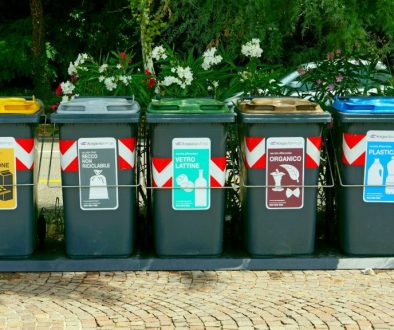
Regular hazardous waste collections help keep things separate. Hazardous items go into the right containers, while general waste and recyclables go into standard skips. This supports higher recycling rates and makes your overall waste plan more predictable, rather than dealing with surprise mixed loads that no one wants to handle.
Choosing the Right Hazardous Waste Partner
Not all waste providers are set up to handle hazardous materials, so choosing the right partner matters. A good provider should offer:
- Proper licences and registrations to carry and handle hazardous waste
- Clear, accurate paperwork for collections and transfers
- Straightforward guidance on how to store and separate different materials
- The ability to handle both hazardous collections and standard skip hire
Local knowledge is also helpful. In areas like Cheshire and the surrounding counties, access routes, narrow lanes, farm tracks and winter conditions can all affect how collections are planned. A provider that knows the area can schedule visits at sensible times, avoid regular traffic bottlenecks and work around wetter, darker months when yards and sites can be harder to reach.
When one company can supply your general skips, grab hire, aggregates and hazardous collections together, life becomes simpler. You deal with one team, one schedule and one set of rules. At Enviro Skip Hire, that joined-up approach helps small workshops keep control of all their waste streams while supporting high levels of recycling.
Safer Storage and Smarter Space Before Winter
Good on-site storage is just as important as what happens when waste leaves your workshop. Simple steps make a big difference, such as:
- Using bunded areas or trays for liquids to catch spills
- Keeping flammable products and waste in fire-resistant cabinets
- Clearly labelling every container, even temporary ones
- Storing incompatible materials apart, rather than all in one “chemical corner”
These habits are not just about ticking boxes. They bring real workshop benefits. Clear floors and tidy stores mean easier movement and fewer trips. Reducing clutter before the busy pre-Christmas period helps staff find what they need and avoid working around stacks of full cans and boxes of rubbish.
Fire risk is a big issue too. As temperatures drop, heaters and extra electrical kit come on. Oily rags next to a plug-board or gas heater are asking for trouble. Scheduled hazardous waste collections stop this build-up, so flammable and reactive materials are removed regularly, not only when someone gets worried.
Poor weather often means doors and windows stay closed, which reduces ventilation. That makes fumes from stored chemicals and wastes more noticeable and more unpleasant. Keeping hazardous materials moving off-site on a planned basis cuts down the amount sitting in your space at any one time.
Take Control of Hazardous Waste Before It Controls You
Hazardous waste is not just a problem for giant factories. Small workshops across joinery, vehicle repair, fabrication and crafts all produce materials that need careful handling. Hoping that a few cans, rags and filters will quietly disappear in a general skip is not a plan, and the risks grow as workloads increase into autumn and winter.
A simple starting point is to walk your workshop with a notepad and ask:
- What products do we use that could be harmful to people or the environment?
- What wastes come out of those products, and where do they go now?
- Are any hazardous items ending up in general bins or skips?
- Is waste sitting around for long periods because no one knows what to do with it?
Once you have that basic picture, it becomes much easier to see where a specialist hazardous waste collection service could help. For small businesses in Cheshire and nearby areas, Enviro Skip Hire can bring hazardous waste collections together with existing skips, grab hire and recycling services, so you head into the busier months safer, tidier and properly protected.
Protect Your Site With Compliant Hazardous Waste Management
If you are dealing with paints, solvents, oils or other risky materials, we can handle them safely and in line with UK regulations. Our specialist hazardous waste collections give you peace of mind that everything is stored, transported and disposed of correctly. Get in touch with Enviro Skip Hire today so we can assess your requirements and arrange a reliable collection schedule that fits your project.