
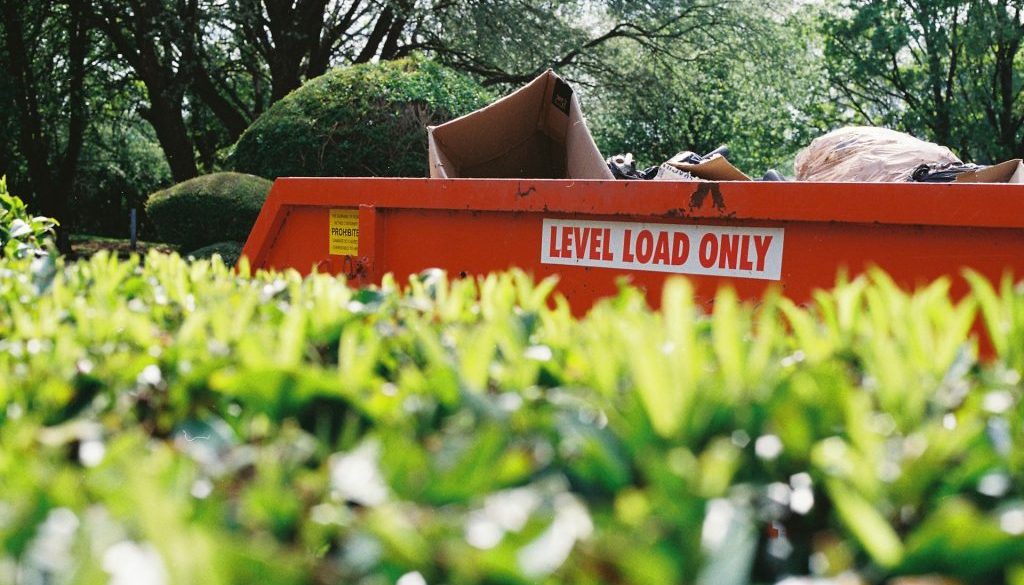
Make Your Autumn Refit Easier with the Right Skip Size
Choosing the right skip size can make a refit feel organised or completely chaotic. When you are stripping out an office, shop or home before the busy run-up to Christmas, waste can build up fast. If it is not managed well, walkways get blocked, work slows down and everyone gets frustrated.
For many projects, the real decision is between a 12-cubic-yard skip and the larger 14- and 16-cubic-yard options. Each size suits a different amount and type of waste, and picking carefully helps you keep the site safe, tidy and productive. It can also stop you paying for more capacity than you realistically need.
Across Cheshire, many refits now also have sustainability in mind. Large skips, grab hire and high recycling rates can all work together to keep your project compliant and kinder to the environment. The key is to match the skip to the refit, not the other way round.
When a 12-Cubic-Yard Skip Is the Smart Choice
A 12-cubic-yard skip is often the sweet spot for medium projects where you expect a lot of light, bulky waste. Think along the lines of:
- Medium-sized shop refits
- Office clearances or new layouts on one floor
- Larger home refurbishments or declutters
- Packaging, display units, old fixtures and fittings
In practical terms, a 12-cubic-yard skip holds a surprising amount. As a rough guide, it can take several small van loads or a large pile of black bin bags. It is built for bulk rather than weight, so it suits items like:
- Cardboard and plastic packaging
- Old shelving, racking, counters and units
- Doors, skirting boards and timber offcuts
- Soft strip-out waste like carpets and underlay
It is not suitable for large quantities of soil, hardcore or very dense materials. Those loads get too heavy too quickly and will break weight limits even if the skip looks half empty. For that kind of waste, it is better to use smaller skips or grab hire.
For refits, a 12-cubic-yard skip has some clear benefits:
- Easier to place on driveways or tighter forecourts
- More likely to fit safely inside a site, away from public paths
- Big enough for a full room or small shop refit without feeling excessive
Choosing this size helps many projects avoid over-ordering a larger skip that never quite fills. It keeps waste moving without overpowering the site.
Stepping up to 14-Cubic-Yard and 16-Cubic-Yard Skips
When your refit grows beyond a single area, a 12-cubic-yard skip might not be enough. That is where 14- and 16-cubic-yard skips come into play. They give you more space for bulky items and help you stay ahead of fast-moving strip-out work.
The main differences are:
- 14 cubic yard: a step up from 12 yards, ideal when you expect ‘just a bit more’ waste, such as a larger retail refit or two or three office areas at once
- 16 cubic yard: one of the largest common skip sizes, suited to full-floor or multi-room refits with lots of furniture, fittings and displays
These skips are perfect for bulky, light materials, such as:
- Shop shelves, counters and display stands
- Office desks, chairs and storage units
- Partition walls, ceiling tiles and general soft strip-out debris
- Large amounts of packaging from new fixtures and furniture
What they are not designed for is heavy loads. Filling a 14- or 16-yard skip with dense waste like bricks or soil makes it too heavy to move safely. It also goes against skip hire rules, as every skip has a maximum safe weight.
With larger skips, site and budget planning matter more:
- Space: you need enough flat, clear ground for the skip and space for staff to move around it
- Access: the delivery lorry must be able to reach the spot without tight turns or low obstacles
- Permits: if the skip needs to go on the road, you may need a permit from the local council
- Efficiency: a correctly sized skip can cut down the number of collections and keep your refit flowing
Getting the size right here can save you from constant exchanges and keep your project tidy from start to finish.
Matching Skip Size to Your Refit Scope and Waste Plan
The best way to choose between a 12-cubic-yard skip, 14-yard and 16-yard option is to look closely at the refit itself. A quick checklist helps:
- How many rooms or floors are you changing?
- Are you stripping out full areas, or just swapping a few fixtures?
- Will furniture, shelving or large displays be removed?
- Will other trades like joiners or electricians add to the waste pile?
Try to picture the total volume of items coming out, not just the first day’s work. Many refits uncover forgotten storage rooms, old stock, or hidden voids above ceilings. It is wise to allow a margin for this extra waste rather than ordering a skip that is only just big enough.
A simple way to plan is:
- Use a 12-cubic-yard skip for medium refits, such as a single shop unit or a handful of offices
- Move to a 14-yard skip when you know there will be extra fixtures or multiple rooms stripped at once
- Choose a 16-yard skip for large, light strip-outs where bulky items are the main waste
In some cases, you might combine a large skip for light, bulky material with another solution for heavier waste. For example, you could use:
- A 12-cubic-yard skip for strip-out waste and fittings
- Grab hire or smaller skips for soil, rubble or concrete from any layout changes
Planning collections around key phases keeps work areas clear. Booking a collection just after the main strip-out, and another after fitters finish, can stop waste building up in awkward corners, especially when days are shorter and light is limited.
Safety, Compliance, and Recycling on Autumn Refit Sites
Autumn refits come with their own challenges. Shorter days mean more work in low light, and wetter weather can turn waste areas slippery. Good skip placement makes a big difference to safety.
Try to:
- Keep skips away from main pedestrian routes where possible
- Avoid blocking fire exits, loading bays or disabled access
- Make sure paths around the skip stay clear and well lit
- Keep waste inside the skip, not piled around the sides
Compliance is just as important as convenience. Every skip has a marked fill line, and it should not be loaded above this. Overfilling makes it unsafe to transport and can lead to waste being removed before the lorry arrives.
There are also restrictions on what can go in a general skip. Items like:
- Fluorescent tubes
- Some types of paint and solvents
- Electrical and electronic equipment
- Certain hazardous materials
need specialist handling rather than being thrown in with general refit waste. A clear plan for these items keeps you on the right side of waste rules and avoids delays when the skip is collected.
Many businesses also want their refits to support sustainability goals. High recycling rates mean that most of what leaves your site is sorted and reused where possible, instead of heading straight to landfill. That helps you show that your refit was carried out with responsible disposal in mind, even during a busy pre-Christmas period.
Choosing the Right Large Skip for Your Cheshire Refit
Bringing it all together, the choice between a 12-cubic-yard skip, 14-yard and 16-yard option comes down to a few simple points:
- Size of refit: number of rooms, floors and fixtures being removed
- Waste type: mostly light, bulky waste, or a mix that includes heavy materials
- Site space: driveway, yard or forecourt size, plus access for lorries
- Timing: whether you need to keep waste moving quickly during tight autumn schedules
Taking a little time to match the skip to your project keeps costs under control, helps your team stay safe and makes your refit run far more smoothly. Local knowledge of Cheshire properties and council rules is especially handy when you are working on public-facing sites that need to stay open and welcoming while the refit takes place.
Get Started With Your Project Today
If you are ready to clear waste efficiently and keep your site running smoothly, we are here to help at Enviro Skip Hire. Our 12-cubic-yard skip is ideal for larger domestic jobs and busy commercial projects that need reliable, timely collections. Tell us what you are working on and we will arrange the right hire period and delivery slot to fit your schedule. Let us handle the waste so you can focus on getting the job done.