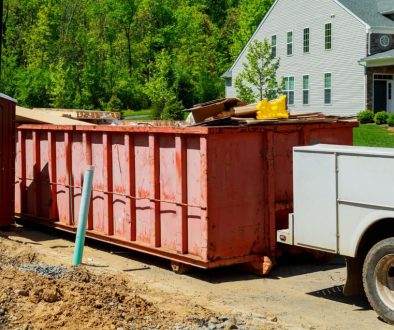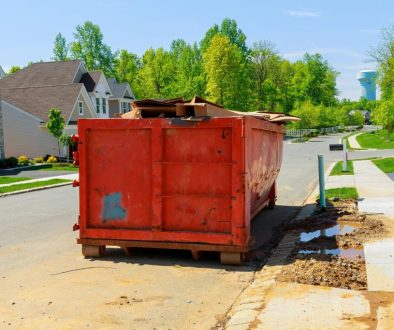
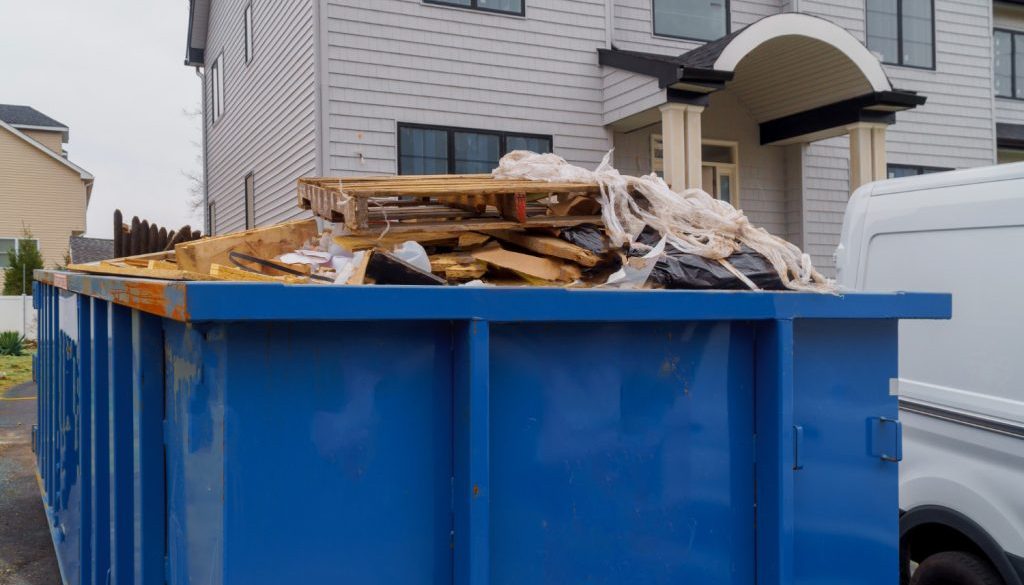
Hiring an open skip for the first time can feel a bit unknown, but it really does not need to be. Once you understand the basic steps, what you can put in it, and how the timings work, the whole process becomes simple and stress-free. Whether you are clearing a house, tidying the garden or sorting a small building job, an open skip gives you one tidy place for all your waste.
We work with a lot of first-time customers across Cheshire, and many of them say the same thing afterwards: they wish they had done it sooner. In this guide we walk through what actually happens when you hire an open skip, from deciding if you need one to what happens to your waste after collection, so you can plan your next project with confidence.
Skip Hire Made Simple for First-Time Users
There are many times when an open skip makes life easier. You might be clearing out before winter, refreshing a room before guests arrive, or finally sorting that messy garage. When the rubbish starts to pile up, loading it into a skip instead of your car can save a lot of time and effort.
If you have never hired a skip before, it can feel a bit formal. There are rules on what can go in, time limits, and sometimes permits to think about. The good news is that once you know the basics, it is very straightforward and most first-timers find the process easy.
We help first-time customers across Cheshire and nearby areas, and can talk through access, skip placement and the practical details before you book. That support, along with a strong focus on recycling, means we can guide you through each step so nothing catches you by surprise.
Deciding If You Really Need to Hire an Open Skip
First ask yourself what kind of job you are doing and how much waste it will create. Common times people hire an open skip include:
- House moves and clear-outs
- Loft, cellar or garage clearances
- Bathroom or kitchen refits
- Garden makeovers and landscaping
- Small building or repair jobs
You might be tempted to load everything into a car and go back and forth to the local tip. That can work for very small amounts, but once you are looking at several car loads, a skip often becomes more practical. It saves repeated trips, queuing, fuel, and the hassle of cleaning the car afterwards.
It is also worth thinking about access and where the skip will sit:
- If you have a driveway, that is usually the easiest place
- If it needs to go on the road, a council permit is often required
- If your street is narrow or shared, we may suggest a smaller skip or grab hire instead
Grab hire can be useful when you have piles of soil, rubble or hardcore that are hard to load by hand. Dense soil, bricks, rubble and hardcore should not go in a standard open skip. For these we will point you to a Midi (5 Tonne) skip, a Maxi (8 Tonne) skip or grab hire. We can talk you through which option is best when you get in touch.
Choosing the Right Skip Size and Type
Picking a size is one of the biggest questions for first-time customers. As a rough guide:
- Mini skips suit small clear-outs or a bit of garden waste
- Midi skips work well for average room refits or larger declutters
- Builders skips are common for bigger refurbishments or bulkier materials
If you are unsure, it is usually better to go one size up, as long as space allows. Ordering a skip that is too small can mean extra collections or hiring a second skip later.
An open skip is the standard type, with an open top so you can easily load it from any angle. For some jobs people choose enclosed or lockable skips instead, as they:
- Help keep rain off certain waste types
- Reduce the chance of others adding rubbish when the skip is near a busy street
- Offer extra security on commercial sites
When you book, it is important to mention if you expect:
- Very heavy or dense waste like soil, rubble, bricks or concrete
- Bulky items such as large furniture
- Any materials that might be hazardous
This lets us advise in advance on the appropriate skip size, load limits and whether grab hire may be more suitable for heavy or dense materials. For dense materials, we will usually recommend a Midi (5 Tonne) skip, a Maxi (8 Tonne) skip or grab hire.
How to Book and Prepare Before Delivery
Once you know you need a skip, the booking process is simple. We will usually ask you:
- What you are doing and roughly how much waste you expect
- What kind of materials you will put in the skip
- Where you want the skip placed
- How long you think you will need it
We then agree a delivery date and a hire period. If the skip needs to go on the road, a permit from the local council is often required. You should check permit requirements and timings with Enviro Skip Hire when booking, and allow a bit of extra time for approval where needed.
Before the skip arrives, a little preparation helps:
- Clear the space so the driver can position the skip safely
- Check that access is clear of parked cars, low branches or tight corners
- Think about driveway protection if the surface is delicate
- Plan how you will load the skip, especially when days are shorter and ground is wet or slippery
Good planning here avoids delays at delivery and makes loading safer for everyone.
What You Can and Cannot Put in Your Skip
Most everyday waste from home or building projects can go in an open skip. Typical allowed items include:
- General household clutter and non-electrical furniture
- Wood, plastics and packaging
- Garden waste such as branches, grass and plants
Soil, rubble, bricks, tiles, concrete and other dense materials can make a skip overweight quickly, so you must discuss these materials before booking. Do not load them into a standard open skip. Use a Midi (5 Tonne) skip or a Maxi (8 Tonne) skip for heavy waste, or grab hire for loose soil or rubble, depending on the job and access.
There are some items that must not go in a standard skip. Common examples are:
- Fridges, freezers and other cooling equipment
- TVs, computer screens and many other electronics
- Tyres and gas bottles
- Asbestos
- Paints, solvents and many liquids
- Certain types of plasterboard or any clinical waste
If you are unsure about an item, it is always best to ask before you load it. We can advise on separate collections, hazardous waste handling or more suitable disposal routes so everything is dealt with safely and in line with regulations.
Delivery, Loading and Collection on the Day
On delivery day, the driver will arrive with your skip on a specialist lorry. They will check access, turn the vehicle where safe, then carefully lower the skip into the agreed spot. If the ground is not suitable or space is tighter than expected, they may suggest a different position or, in rare cases, a smaller skip.
To load your open skip safely:
- Start with flat, heavy items at the bottom
- Break down bulky pieces when possible
- Spread weight evenly so the skip is balanced
- Keep waste level with the top; do not overfill or stack items above the sides
When you are finished, you can arrange collection. If you fill the skip early, we can often collect sooner. If your project overruns, an extended hire may be possible, as long as the skip is still safe and accessible. Please make sure nothing blocks the skip when we arrive, as that can delay collection and slow your project.
Where Your Waste Goes After Collection
Once we collect your open skip, its contents are taken for sorting and processing so recyclable materials can be separated and recovered.
We look to recycle as much material as possible, including metals, wood, certain plastics and cardboard where these can be recovered. The aim is to send only what truly cannot be recovered to landfill. Any hazardous streams that have been correctly booked are managed in line with strict rules so they do not mix with general waste.
By hiring an open skip instead of making many tip runs, you help reduce the number of individual car trips on the road. Combined with our focus on recycling and responsible treatment of difficult materials, this supports cleaner, more sustainable waste handling across Cheshire.
Confidently Hire an Open Skip for Your Next Project
From that first thought of needing to clear some space, through choosing a size, arranging delivery and loading safely, hiring an open skip follows a clear, simple pattern. Once you have been through it once, you will know exactly what to expect next time.
At Enviro Skip Hire, we use our local knowledge, rapid deliveries and strong focus on recycling to guide first-time customers across Cheshire through each step. Whether you are planning a late-autumn tidy-up, a home improvement project or ongoing work on a commercial site, hiring an open skip can keep your rubbish under control and your plans moving smoothly. Ready to book your first skip? Contact Enviro Skip Hire and we will help you choose the right option for your job.