Big Clearances Made Easy Across Cheshire
Big clearances create a lot of bulky waste very quickly. If you are stripping out a house, tackling an overgrown garden, or clearing an office, bags and car trips to the tip soon become hard work and very time consuming.
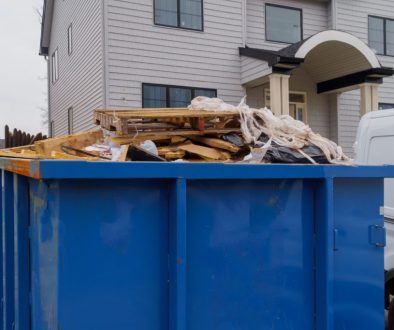
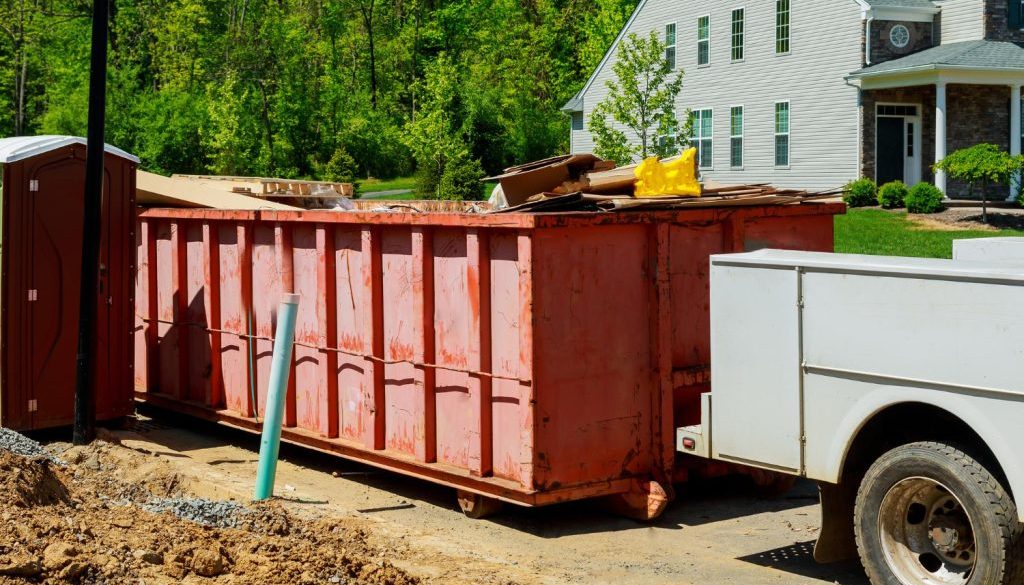
A 12-cubic-yard skip gives you space to keep things moving. It is large enough to handle bulky items like wardrobes, kitchen units and packaging, without you stopping every hour to think where it will all go. This is especially helpful as we head into late autumn, when many people want their property tidy and safe before winter weather arrives in Cheshire and Staffordshire.
We see more and more demand for larger skips on big domestic and commercial clearances. In this guide, we will explain when a 12-cubic-yard skip makes sense, what you can put in it, what to avoid and how to use one safely and cost-effectively on your next project.
When a 12-Cubic-Yard Skip Is the Perfect Fit
A 12-cubic-yard skip is a great choice when a small or medium skip is going to fill up far too quickly. It tends to suit projects like:
- Major home refurbishments with lots of old kitchen or bathroom units
- Full loft or garage clearances of contents that have built up over many years
- End of tenancy strip-outs where you are clearing whole rooms of contents
- Office moves or refits with bulky desks, shelving and packaging
- Large garden overhauls after heavy pruning and cutting back
Smaller skips can work for light decluttering or a single room project. However, when you are dealing with several rooms or mixed bulky waste, a 12-cubic-yard skip often saves time and stress. You are less likely to need a second skip or extra collections, which keeps the job running more smoothly.
In simple terms, a 12-cubic-yard skip holds a large volume of light to medium waste. It can usually cope with a big pile of:
- Bin bags of household rubbish
- Flattened cardboard and packaging
- Sofas, mattresses and bulky furniture
Weight is still important. This size skip is not designed for very heavy loads of soil, hardcore or bricks. If you fill it only with dense material, it can become too heavy to move safely. That is why this size works best for mixed bulky waste, such as furniture, plastics, packaging and lighter construction debris instead of pure rubble. For dense soil, bricks, rubble and hardcore, book a Midi (5 Tonne) skip, a Maxi (8 Tonne) skip or grab hire instead.
What You Can Load Into a 12-Yard Builder Skip
A 12-cubic-yard skip is often called a large builder skip, but it is not only for building sites. It suits a wide range of bulky, everyday waste types, for example:
- Old furniture like wardrobes, drawers and tables
- Kitchen units, worktops and internal doors
- Carpets, underlay and soft furnishings
- Cardboard boxes, plastic wrapping and polystyrene
- Light construction waste such as timber offcuts and skirting
There are also things that must not go into this size skip. Some are restricted for safety and legal reasons, others are simply too heavy for a large container. You should keep out:
Soil, hardcore, large amounts of bricks or heavy rubble (use a Midi (5 Tonne) skip, a Maxi (8 Tonne) skip or grab hire instead)
- Fridges, freezers and other cooling units
- Tyres, paints, solvents, oils and gas bottles
- Electrical items that fall under WEEE rules, such as TVs and computers
- Plasterboard, which must be kept separate and cannot go in a mixed open skip
Sorting waste before you start loading makes a big difference. Try to:
- Flatten boxes and crush light items to save space
- Break down furniture where possible, such as removing legs and doors
- Keep obvious recyclables like clean cardboard separate from mixed rubbish
By loading carefully, you help reduce air gaps and make the most of the skip volume. This also supports recycling. When bulky items are broken down and obvious problem materials are kept out, it is easier for a recycling-focused operator to sort and recycle more of the load instead of sending it to landfill.
Getting the Most Value From Larger Skip Hire
Planning is the key to getting full value from a 12-cubic-yard skip. It helps to time your clearance so that the skip arrives just as you are ready to load. For example, you can:
- Clear rooms in order so waste is ready by the door
- Ask tradespeople to stack waste neatly in one area as they work
- Group similar materials together, like timber in one pile and general rubbish in another
Choosing the right size first time also helps avoid extra cost. A skip that is too small may mean another one later. A skip that is too large might be half empty. For very heavy projects, a Midi (5 Tonne) skip, a Maxi (8 Tonne) skip or grab hire might be more suitable than a single large container.
Avoiding overfilling is just as important. Waste should not go above the fill line. Stacked items can fall or make the skip unsafe to move. Prohibited items can also cause problems and delays if they are found when the skip is checked.
Think about access and placement before delivery:
- Is there a clear, level space on a driveway or yard?
- Will the lorry have room to safely lift and place the skip?
- If the skip needs to go on the road, will you need a local council permit?
On-road placement often needs permission from the council, especially on busier streets in Cheshire towns and villages. Planning this in advance keeps your project on schedule and avoids last-minute changes on delivery day.
Safer Autumn Clearances with Large Skips
Safety should always come first, especially in autumn when surfaces are wetter and daylight is shorter. Wet leaves, muddy paths and dim light can make carrying heavy or bulky items more risky.
Some simple safety tips when using a 12-yard builder skip are:
- Load heavier items first so they sit at the bottom and keep the skip stable
- Keep the area around the skip clear, so you have a steady path when carrying waste
- Never climb inside the skip or use it as a platform
- Do not stack waste above the sides or throw items from a distance
- Keep children and pets away from the work area
Fire safety matters as well. Skips are not for burning waste. Flames can spread quickly and damage nearby property or the skip itself. Keep flammable items like gas bottles, fuels and certain chemicals out of the skip and store them safely until they can be dealt with in the correct way.
Autumn weather can also be windy, especially on more open sites. Loose materials can blow out if left on top. Try to pack lighter plastics and cardboard under heavier items, or weigh them down so they stay put until collection. An experienced skip driver will usually help by placing the skip where access is easier and safer, such as away from low branches or tight corners, and can offer advice if you are unsure where it should go.
Book Your 12-Cubic-Yard Skip for Your Next Big Clearout
A 12-cubic-yard skip is a strong choice for large domestic clearances, bigger renovation projects and bulky commercial waste across Cheshire and Staffordshire. It gives you space to deal with furniture, packaging and lighter construction waste in one go, without constant runs to the tip or waiting for repeated collections.
Planning ahead helps, especially for pre-winter clear-outs or when you know trades will be on site. Thinking about access, permits, waste types and simple safety steps means your big clearance can run more smoothly. With the right skip size, good loading habits and support from a local, environmentally minded team, even the biggest clearout can feel far more manageable.
If you are ready to clear waste efficiently and keep your site running smoothly, we are here to help. At Enviro Skip Hire, our convenient 12-cubic-yard skip is ideal for larger domestic jobs and busy commercial projects alike. Tell us what you are working on and we will arrange prompt delivery and collection to suit your schedule. Book today and let us take the hassle out of your waste management.