Keep Large Projects Moving with Fewer Waste Delays
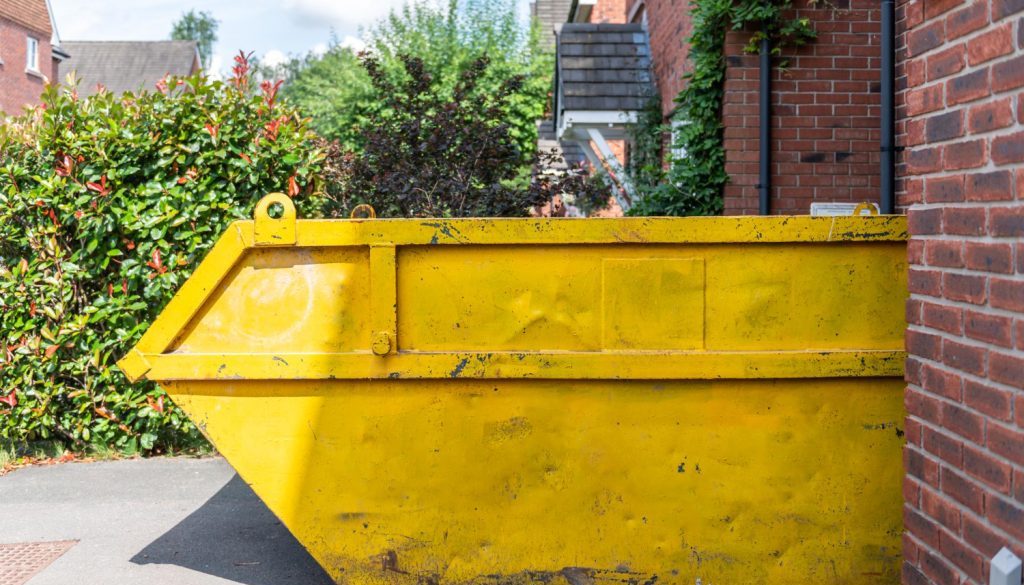
When standard open skips fill too quickly, waste can slow down the whole job. Repeated collection requests, blocked working areas and piles waiting to be loaded can all interrupt a busy construction, clearance, demolition or industrial site.
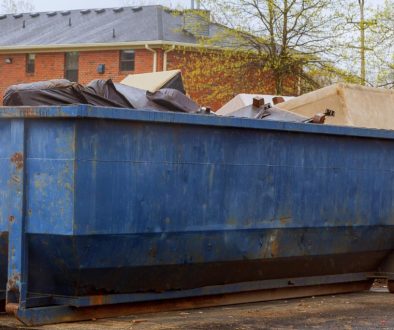
A roll-on skip gives larger projects a higher-capacity option for substantial volumes of waste. While open skips suit many smaller, contained jobs, roll-on skips are better suited to planned waste streams where space, access and collection timing have been considered from the start.
From our Sandbach base, we support domestic and commercial customers across Cheshire and surrounding areas. Early planning is especially helpful where site access is limited, a scheduled collection plan is needed, or same-day availability may be required.
Recognise When a Project Has Outgrown Open Skips
The total amount of waste matters, but so does how quickly it is produced. A job may not look especially large at the beginning, yet regular waste from several trades or departments can soon fill a smaller open skip.
We often recommend that you consider whether a larger container would reduce unnecessary changeovers when you hire a roll-on skip for projects such as:
- Commercial strip-outs and shop refits
- Warehouse, office or factory clearances
- Demolition preparation work
- Office relocations with bulky unwanted contents
- Large landscaping projects producing mainly light waste
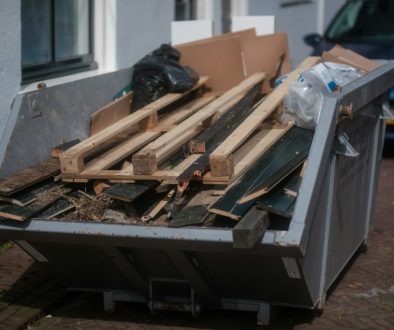
Packaging, timber, fittings, plastics and mixed light construction waste can build up steadily. Rather than stopping work to arrange several smaller exchanges, a suitable roll-on skip can give your team one clear place for approved waste.
That said, a roll-on skip is not simply a bigger answer for every job. It needs enough room for delivery, collection and loading. Before booking, we need practical details such as the site location, access width, expected waste type and how the container will be filled.
Match Capacity to Site Access and Waste Flow
Space on site is often the deciding factor. A roll-on skip needs room for the vehicle to enter, turn and position the container safely. Tight gates, narrow lanes, low branches, overhead cables and soft ground can all affect what is possible.
Before arranging a skip, it helps to check:
- Gate widths and turning space for the collection vehicle
- Overhead obstructions, including trees, cables and building features
- Ground conditions and whether the placement area is stable
- Loading routes from the work area to the skip
- Whether the skip will be on private land or needs a permit for a public road
Loading should be safe and realistic for the materials involved. Some sites load by hand, while others may use suitable machinery such as a telehandler or excavator. How the waste reaches the container can be just as important as the container size.
Overfilling is not safe and may prevent collection. We advise planning how waste will be spread through the skip rather than letting one end become overloaded or allowing materials to sit above the sides. A clear loading plan also helps keep walkways and working areas free from loose waste.
Collection timing should fit the pace of the work. Depending on the project, you may need a one-off removal, a planned exchange arrangement or a collection when the container is nearing capacity. Sharing your expected waste flow with us allows us to suggest an arrangement that suits the programme without adding unnecessary capacity.
Reduce Handling, Disruption and Repeat Collections
Where a project produces ongoing light, bulky waste, one larger roll-on skip can reduce the disruption caused by frequent container exchanges. Fewer delivery movements can mean less time spent coordinating collections and fewer interruptions for trades, staff and site visitors.
A well-positioned skip also creates a central disposal point. Instead of leaving waste in several temporary piles around the site, teams can keep approved materials together and make it easier for the site manager to see when capacity is running low.
The best choice is not automatically the largest skip available. It should match the volume, weight and type of waste, along with the collection frequency your project needs. We can help you weigh up whether repeated smaller open skips, a roll-on skip or another waste service is the more practical fit for the job.
Separate Heavy, Restricted and Special Waste Correctly
More capacity does not mean every material can be mixed into the same container. Soil, rubble, concrete, bricks and tiles are dense materials, so they must be discussed with us before booking. Weight limits and transport arrangements affect the right service.
For heavy waste, the Maxi (8 Tonne) is our largest skip for this type of material. Grab hire can also be a practical option when soil and rubble need clearing, particularly where a grab vehicle can access the waste directly.
Our 12-yard, 14-yard and 16-yard skips are for lighter, bulky contents, with the permitted waste needing to be lighter as skip size increases. They are not suitable for dense construction materials. Light refurbishment waste, timber, packaging, plastics and bulky non-hazardous items may be suitable, subject to confirmation when you book.
Certain materials need their own arrangement:
- Plasterboard must be kept separate and cannot go in a mixed skip
- Sofas and armchairs are separately managed upholstered seating under POPs rules
- Hazardous waste needs specialist handling
- Heavy materials should be agreed before a container is selected
Letting us know about sofas, armchairs, plasterboard or hazardous items before booking avoids problems when waste is collected. It also means the right handling route can be arranged from the beginning.
Plan the Right Waste Solution for Your Site
Before you hire a roll-on skip, assess how much waste the project is likely to produce, what it is made of, how it will be loaded and how often it may need removing. Roll-on skips can work well for substantial, ongoing volumes of suitable waste when the site has enough access and positioning space.
A practical waste plan should also allow for restricted materials, heavy waste and safe loading. Matching the container and collection pattern to the real needs of the site helps keep work areas clear and the project moving.
Keep Large-Scale Waste Moving
For projects producing substantial volumes of light, bulky waste, hire a roll-on skip from Enviro Skip Hire. We can help you choose a suitable container size and arrange collection around your project timetable. Speak to our team about your waste type, access requirements and expected volume to get the right service in place.