When Upsizing Your Skip Saves Time and Money
Choosing the right skip size can make the difference between a smooth project and a stressful one. Many people in Cheshire start with a smaller skip, then quickly realise the waste pile is growing faster than the space inside the skip. Before long, work has to pause while another collection is arranged or an extra skip is booked.
A 12-cubic-yard skip often solves this problem in one go. With more room for bulky items, you are less likely to run out of space halfway through a house clearance or refurbishment. Fewer collections mean less waiting around, fewer interruptions and less mess building up around your property.
This becomes even more helpful during busy periods, such as early autumn, when lots of home projects, clear-outs and garden tidy-ups happen at once. Booking one larger skip from the start can help you avoid delays and extra trips. With the right advice at the planning stage, you can skip the guesswork and get a size that actually matches the job you are doing.
Spotting When a 12-Cubic-Yard Skip Is Ideal
A 12-cubic-yard skip is a popular choice for bigger domestic and light commercial projects. It is not the largest skip available, but it offers a generous capacity that suits many jobs where waste piles up quickly.
Typical projects that suit a 12-cubic-yard skip include:
- Large house clearances where whole rooms are being emptied
- Full-room refurbishments, such as new kitchens or bathrooms
- Bulky furniture disposal, including sofas and wardrobes
- End-of-tenancy clear-outs with mixed household waste
- Pre-winter garden overhauls with branches, clippings and old garden furniture
Smaller skips, such as 4- to 8-yard sizes, can be ideal for tidy, compact loads. But once you add bulky items like:
- Sofas and armchairs
- Wardrobes and chest of drawers
- Kitchen units and worktops
- Old bathroom suites
- Carpets, underlay and large offcuts
you will notice how quickly that space disappears. You might be left trying to pack items into corners or stand them on end, which is not safe and can lead to overfilling.
Some clear signs that a 12-cubic-yard skip is likely to be the smarter choice are:
- You are clearing multiple rooms at once, not just a single area
- You expect a mix of building and garden waste from one project
- You are planning a move, renovation and general declutter at the same time
- You would rather have one bigger skip than keep stopping to arrange extra collections
If you are on the fence between two sizes, going one size up often works out more practical, especially when bulky items are involved.
Capacity, Cost and Convenience of a Larger Skip
It can be hard to picture what 12 cubic yards actually looks like. As a simple guide, a 12-cubic-yard skip usually holds a large number of standard bin bags, or several small van loads of light waste. For many autumn clearances and refurbishments, that is the kind of volume you end up with once furniture, packaging and old fittings are added in.
The real benefit of that extra capacity is how it affects the rest of your project. With a 12-cubic-yard skip, you are more likely to:
- Keep all waste in one container instead of spreading it around the site
- Avoid booking a second skip once work is already underway
- Keep trades on schedule, as they are not waiting for extra collections
Hiring one larger skip can often work out more economical than hiring two smaller ones. You only have one delivery and one collection, which keeps transport simple and reduces the chances of paying for repeat bookings at busy times. There is also less risk of needing an urgent extra skip because you underestimated the amount of waste.
Convenience is just as important as cost. With a single 12-cubic-yard skip, you get:
- Fewer interruptions on-site or at home
- Less clutter around driveways and paths
- Easier housekeeping as the days get shorter and the weather turns wetter
Working areas stay clearer, which helps reduce slip and trip hazards and keeps projects moving in a steady, organised way.
Keeping Your Project Compliant and Neighbour-Friendly
A larger skip is still simple to manage if you do a bit of planning. The first thing to think about is where it will sit. If there is space on a private driveway or yard, that is usually the easiest option. If it needs to go on a public road, a council permit may be required, and there may be rules about lighting, signage and how long the skip can stay in place.
Access is also important. The vehicle delivering a 12-cubic-yard skip needs enough room to get in and out safely. That usually means allowing for the width of the lorry plus some turning space, and keeping overhanging branches or parked cars out of the way.
You also need to think carefully about what can and cannot go into a 12-cubic-yard skip. As a general guide, suitable waste includes:
- General household rubbish
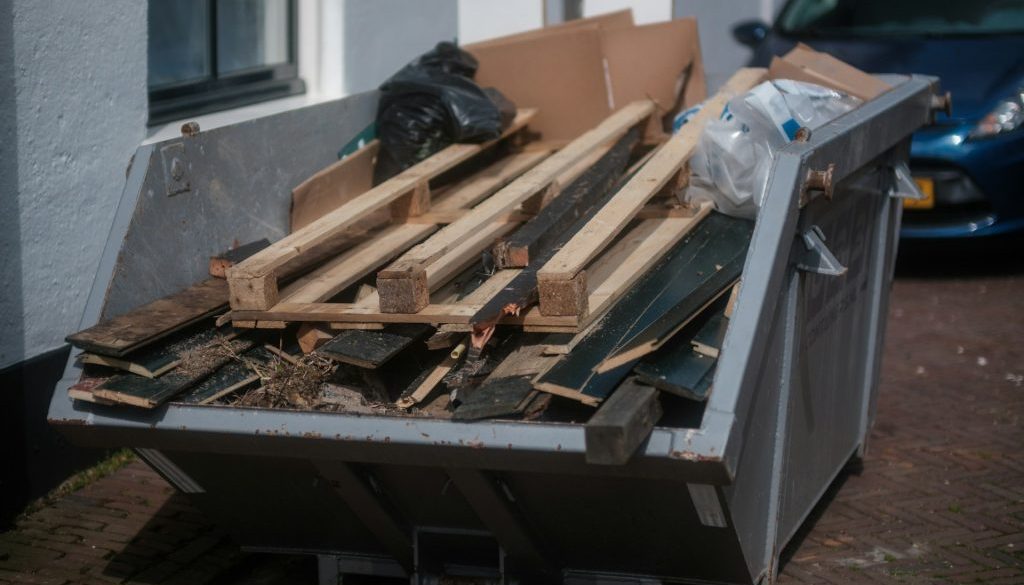
- Light construction waste, such as wood, plastic and packaging
- Furniture and fittings
- Green waste, such as branches and hedge clippings
Items that usually cannot go in include:
- Hazardous materials like chemicals, paint tins with liquid inside or asbestos
- Electrical items such as fridges and TVs
- Certain heavy inert materials, depending on local rules and skip type
Checking first helps you avoid extra charges or the disappointment of items being refused at collection.
To keep things neighbour-friendly:
- Avoid blocking driveways, sight lines or regular parking spaces
- Try to schedule delivery and collection at sensible times of day
- Keep noise to a minimum when loading, especially early or late
- Think about leaf fall and rain, and try to keep the area around the skip tidy and safe
A bit of courtesy goes a long way when a skip is in place for several days.
How a 12-Cubic-Yard Skip Supports Greener Waste Choices
A larger skip is not just about fitting more in, it can also support better recycling habits. With more space, it is easier to keep different waste streams in separate sections so they can be recycled more easily later. For example, you can group together:
- Clean wood from old units and shelving
- Cardboard and packaging
- Metals from fittings and fixtures
- Inert materials such as bricks or tiles if they are allowed in the skip
When more of your waste is grouped sensibly, it is simpler for it to be recycled rather than ending up in landfill.
Using one 12-cubic-yard skip instead of several smaller ones can also mean fewer vehicle movements. One delivery and one collection often leads to less transport activity than a series of extra trips, which is kinder on local Cheshire roads and air quality.
You can also adopt a few simple habits on-site to keep your skip use more sustainable:
- Keep food waste out of the skip so it does not contaminate recyclable materials
- Avoid mixing liquids with dry waste
- Plan autumn clean-ups so that reusable or recyclable items are sorted before they hit the skip
- Flatten bulky cardboard and break down furniture where safe, so more can be processed properly
These small steps make a real difference to how much of your project waste can be given a second life.
Making the Most of Your 12-Cubic-Yard Skip Hire
A bit of planning before your skip arrives helps you get full value from a 12-cubic-yard skip. Start by measuring the space where you want the skip to sit. Check the width, length and any height issues like low branches or overhead cables. Think about how the delivery vehicle will approach and whether parked cars might block access.
Estimate your waste as realistically as you can. Walk through each room or area involved in the project and list the big items first. Then think about all the smaller bits that tend to add up, such as packaging, old fittings and offcuts. If you are planning work around late September or the run-up to winter, consider booking early, as demand can be higher when people are trying to get projects finished before the weather turns.
When loading your 12-cubic-yard skip:
- Place the heaviest items at the bottom to form a stable base
- Break down large items, like wardrobes and units, where it is safe to do so
- Fill gaps with smaller pieces to avoid wasted space
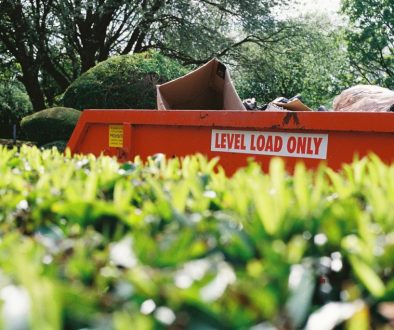
- Keep the load level with the top of the skip and do not build it up above the sides
Stacking sensibly makes the most of the space while staying within safe loading limits.
With thoughtful planning, a 12-cubic-yard skip can turn a big, messy job into a controlled, organised project. As a local Cheshire waste management company, we help domestic and commercial customers match skip sizes to real-world needs, support greener choices and keep projects running safely from start to finish.
Get Started With Your Project Today
If you are ready to clear waste efficiently and keep your project on schedule, our 12-cubic-yard skip is a practical, high-capacity option. At Enviro Skip Hire, we make booking straightforward so you can focus on the work that matters. Tell us about your site and waste requirements and we will arrange a suitable delivery time. Book today and let us handle the removal and responsible disposal of your waste.